Flatbread VS Rolled Oats
A detailed nutritional comparison

Flatbread
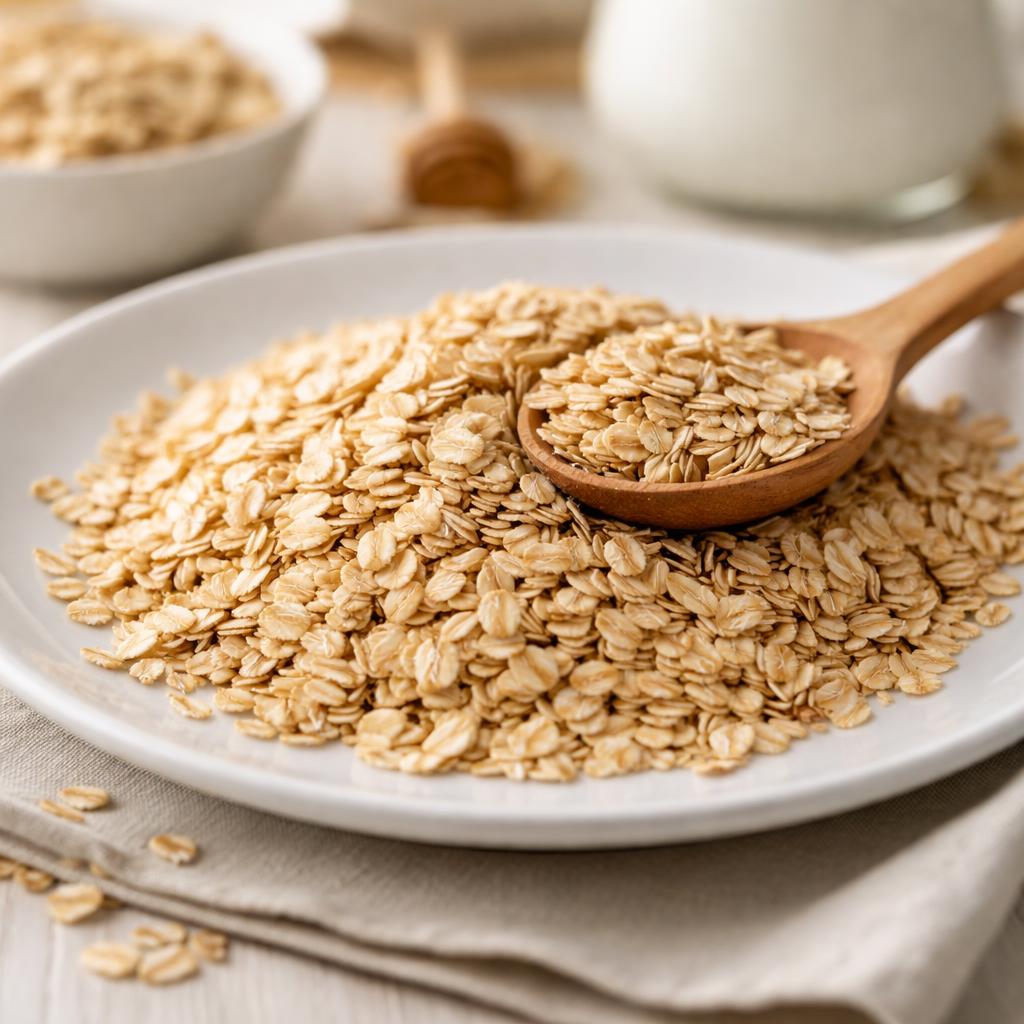
Rolled Oats
🎯 Quick Verdict
Flatbread is better suited for those prioritizing lower calories and higher protein, while rolled oats shine in fiber content and sustained energy release. Flatbread is best for quick meals and low-carb solutions, while rolled oats are ideal for breakfast and high-energy needs.

Smart Nutrition Tracking with SnapCalorie

📊 Nutritional Comparison
Macronutrients
| Nutrient | Food 1 | Food 2 | Winner |
|---|---|---|---|
| Calories | 150 | 190 | ✓ |
| Protein | 5g | 4g | ✓ |
| Carbs | 30g | 32g | ✓ |
| Fat | 2g | 3g | ✓ |
| Fiber | 1g | 4g | ✓ |
Vitamins & Minerals
| Nutrient | Food 1 | Food 2 | Winner |
|---|---|---|---|
| Vitamin B1 (Thiamine) | 0.1mg | 0.2mg | ✓ |
| Iron | 1mg | 2mg | ✓ |
| Calcium | 50mg | 20mg | ✓ |
🏆 Category Winners
Protein
Flatbread offers slightly more protein, making it advantageous for muscle maintenance.
Fiber
Rolled oats contain 4x the fiber, excellent for digestion and gut health.
Calories
Flatbread has 40 fewer calories, supporting weight management.
Vitamins
Rolled oats have higher values of key nutrients like Iron and Vitamin B1.
🥗 Diet Compatibility
Keto
Food 1: Not Compatible
Food 2: Not Compatible
Both foods are high in carbs.
Vegan
Food 1: Compatible
Food 2: Compatible
Both foods are plant-based and dairy-free.
Gluten Free
Food 1: Not Compatible
Food 2: Compatible if certified gluten-free
Flatbread contains gluten, while oats can be made gluten-free.
Paleo
Food 1: Not Compatible
Food 2: Not Compatible
Both foods are grains, which are excluded from paleo diets.
Low-Carb
Food 1: Moderately Compatible
Food 2: Not Compatible
Flatbread is lower in carbs (30g vs. 32g per serving).
💪 Health Benefits Comparison
Food 1 Benefits
- Lower calorie option for weight management
- Moderate protein content for muscle maintenance
- Convenient for quick meals or wraps
Food 2 Benefits
- High in fiber for gut health
- Rich in vitamins and minerals like Iron and Vitamin B1
- Slow energy release for sustained physical activity
✅ The Bottom Line
Choose flatbread for weight management and convenient low-carb meals. Opt for rolled oats when fiber and sustained energy are key priorities.
Choose Food 1 for: Quick meals, wraps, and moderate protein diets
Choose Food 2 for: High-fiber diets, breakfast, and sustained energy


