Flatbread VS Pita Bread
A detailed nutritional comparison
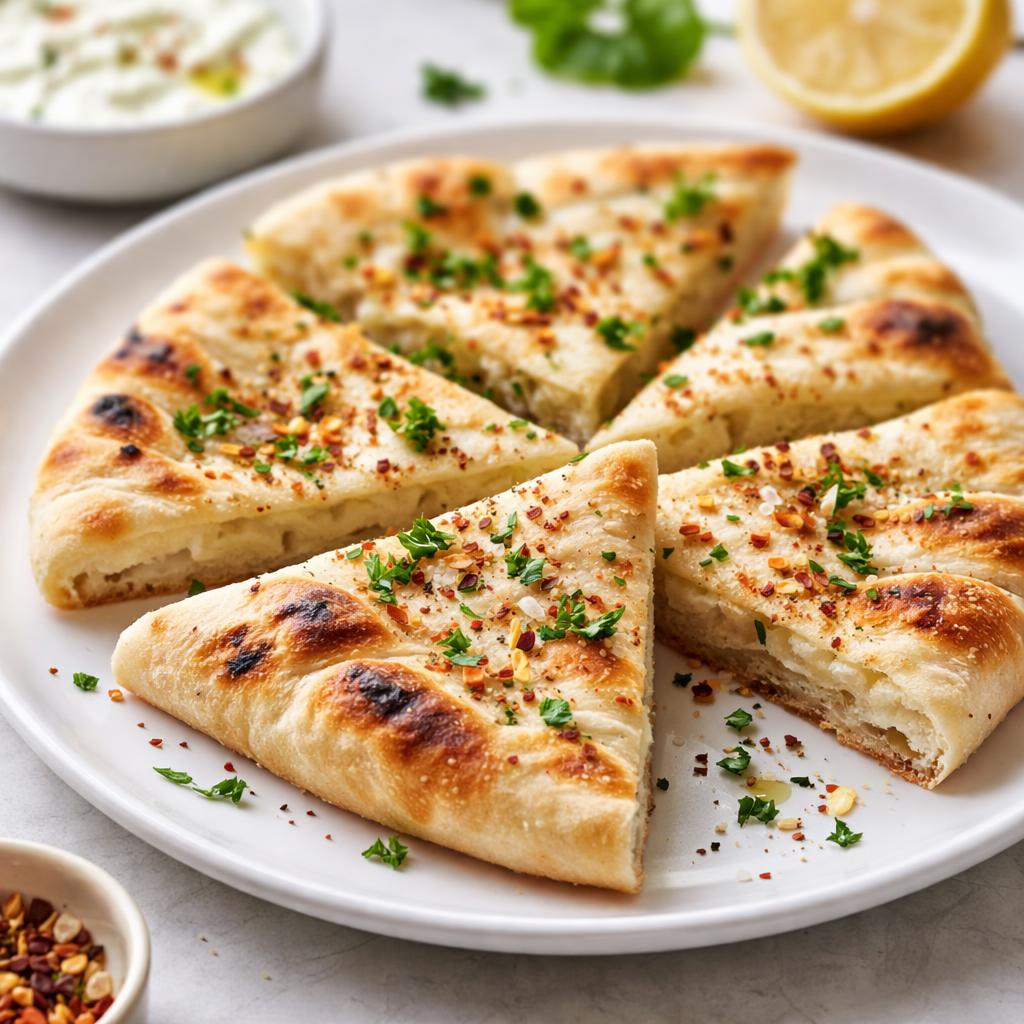
Flatbread
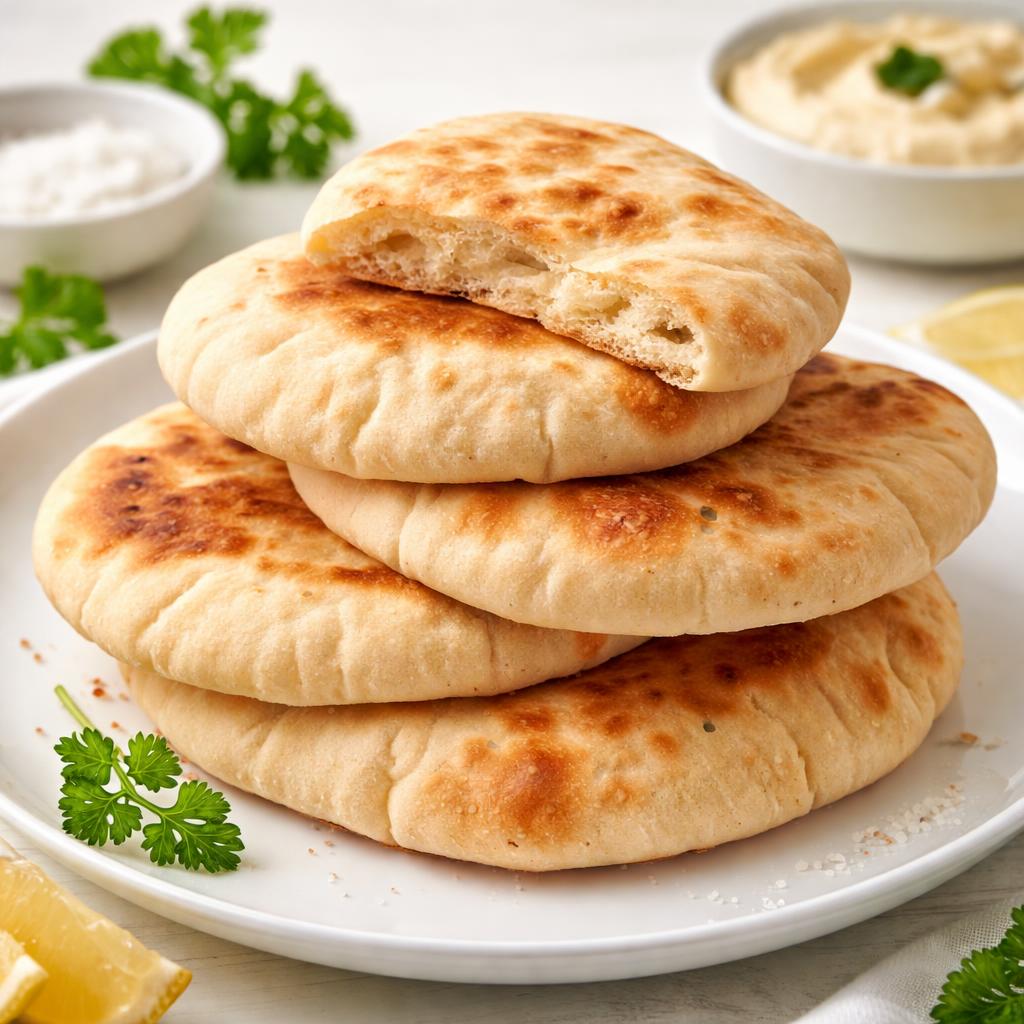
Pita Bread
🎯 Quick Verdict
Flatbread and pita bread are both versatile options, but pita bread edges out in terms of fiber with 50% more per serving and similar caloric content. Flatbread, however, is slightly easier to use for wraps and sandwiches due to its thinner shape. Both are similar in protein content, making them good options for balanced meals.

Smart Nutrition Tracking with SnapCalorie

📊 Nutritional Comparison
Macronutrients
| Nutrient | Food 1 | Food 2 | Winner |
|---|---|---|---|
| Calories | 180 | 180 | − |
| Protein | 5g | 5g | − |
| Carbs | 35g | 36g | ✓ |
| Fat | 4g | 2g | ✓ |
| Fiber | 2g | 3g | ✓ |
Vitamins & Minerals
| Nutrient | Food 1 | Food 2 | Winner |
|---|---|---|---|
| Vitamin D | 0mcg | 0mcg | − |
| Calcium | 50mg | 60mg | ✓ |
| Iron | 2mg | 2.5mg | ✓ |
🏆 Category Winners
Protein
Both flatbread and pita bread contain equal amounts of protein per serving.
Fiber
Pita bread contains 50% more fiber, supporting digestion.
Calories
Both have comparable calories at 180 per serving.
Vitamins
Pita bread has slightly higher calcium and iron content, beneficial for bone and blood health.
🥗 Diet Compatibility
Keto
Food 1: Not Compatible
Food 2: Not Compatible
Both are high in carbohydrates and not suitable for low-carb or keto diets.
Vegan
Food 1: Compatible
Food 2: Compatible
Both are typically plant-based and contain no animal products.
Gluten Free
Food 1: Not Compatible
Food 2: Not Compatible
Both contain gluten from wheat flour and are unsuitable for gluten-free diets.
Paleo
Food 1: Not Compatible
Food 2: Not Compatible
Neither are grain-free, disqualifying them from the paleo diet.
Low-Carb
Food 1: Not Compatible
Food 2: Not Compatible
Both have 35g+ of carbs per serving, exceeding low-carb diet needs.
💪 Health Benefits Comparison
Food 1 Benefits
- Convenient for wraps and sandwiches due to thin shape
- Contains moderate protein for muscle repair and satiety
- Provides energy from carbohydrates for sustained activity
Food 2 Benefits
- Higher fiber content supports digestion and gut health
- Lower fat content makes it suitable for heart-healthy diets
- Better source of calcium and iron for bone and blood health
✅ The Bottom Line
Both flatbread and pita bread are solid choices depending on use case. Opt for pita bread if fiber and mineral content are priorities. Flatbread is ideal for convenience in wraps and sandwiches. Both support balanced meals but are not compatible with low-carb or keto diets.
Choose Food 1 for: Wraps, sandwiches, easy handling
Choose Food 2 for: Fiber-rich meals, bone health, digestion support


