Flatbread VS Bread With Spread
A detailed nutritional comparison
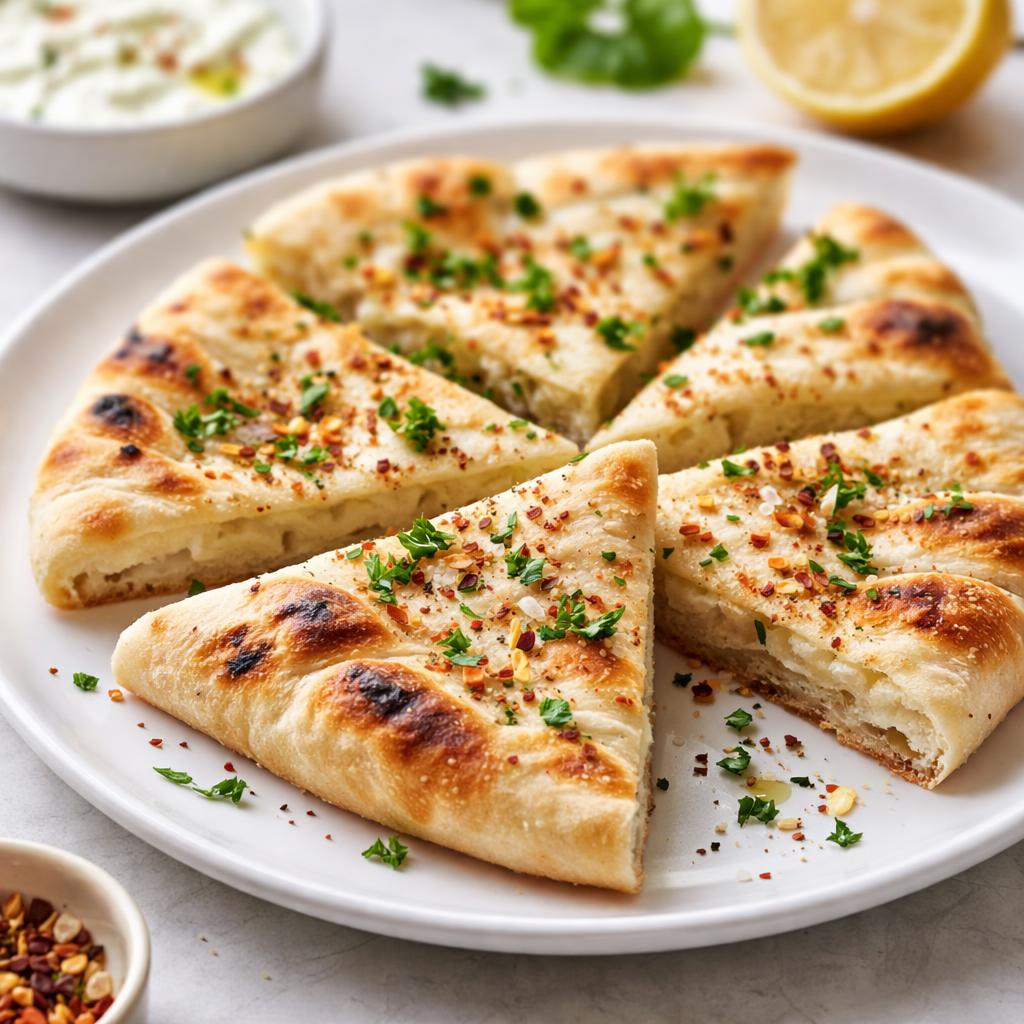
Flatbread

Bread With Spread
🎯 Quick Verdict
Flatbread is lower in calories and higher in fiber, making it an ideal option for weight-conscious individuals or those looking for a digestion-friendly choice. Bread with spread is higher in protein and healthy fats, suitable for individuals needing sustained energy or increased protein intake. Both are versatile options based on dietary needs.

Smart Nutrition Tracking with SnapCalorie

📊 Nutritional Comparison
Macronutrients
| Nutrient | Food 1 | Food 2 | Winner |
|---|---|---|---|
| Calories | 150 | 230 | ✓ |
| Protein | 4g | 8g | ✓ |
| Carbs | 25g | 28g | ✓ |
| Fat | 2g | 8.5g | ✓ |
| Fiber | 2.5g | 1g | ✓ |
Vitamins & Minerals
| Nutrient | Food 1 | Food 2 | Winner |
|---|---|---|---|
| Vitamin D | 0mcg | 2mcg | ✓ |
| Calcium | 15mg | 100mg | ✓ |
| Iron | 3mg | 1.5mg | ✓ |
🏆 Category Winners
Protein
Bread with spread has twice as much protein per serving.
Fiber
Flatbread contains more than double the fiber, aiding digestion.
Calories
Flatbread has 35% fewer calories than bread with spread.
Vitamins
Bread with spread provides significant amounts of Vitamin D and Calcium.
🥗 Diet Compatibility
Keto
Food 1: Not Compatible
Food 2: Not Compatible
Both are higher-carb options.
Vegan
Food 1: Compatible
Food 2: Depends on spread type
Flatbread is plant-based; spread may contain dairy or animal by-products.
Gluten Free
Food 1: Not Compatible
Food 2: Not Compatible
Neither is inherently gluten-free unless specifically labeled.
Paleo
Food 1: Not Compatible
Food 2: Not Compatible
Both contain processed grains, which are not paleo-approved.
Low Carb
Food 1: Not Compatible
Food 2: Not Compatible
Both are higher-carb foods not suited for low-carb diets.
💪 Health Benefits Comparison
Food 1 Benefits
- Low in calories, ideal for weight management
- High in fiber for improved digestion
- Rich in iron, beneficial for red blood cell production
Food 2 Benefits
- High in protein for muscle maintenance and repair
- Good source of healthy fats (from spread) for heart health
- Provides Vitamin D for bone health and immune support
✅ The Bottom Line
Flatbread is better for those focused on weight loss and digestive health due to its lower calorie and higher fiber content. Bread with spread is a better choice for people needing sustained energy and higher protein intake. Choose flatbread for lighter dishes and bread with spread for richer servings.
Choose Food 1 for: Weight management, digestion focus, light meals
Choose Food 2 for: Energy boost, muscle building, nutrient-rich snacks


