Egg VS Whole Wheat Toast
A detailed nutritional comparison

Egg
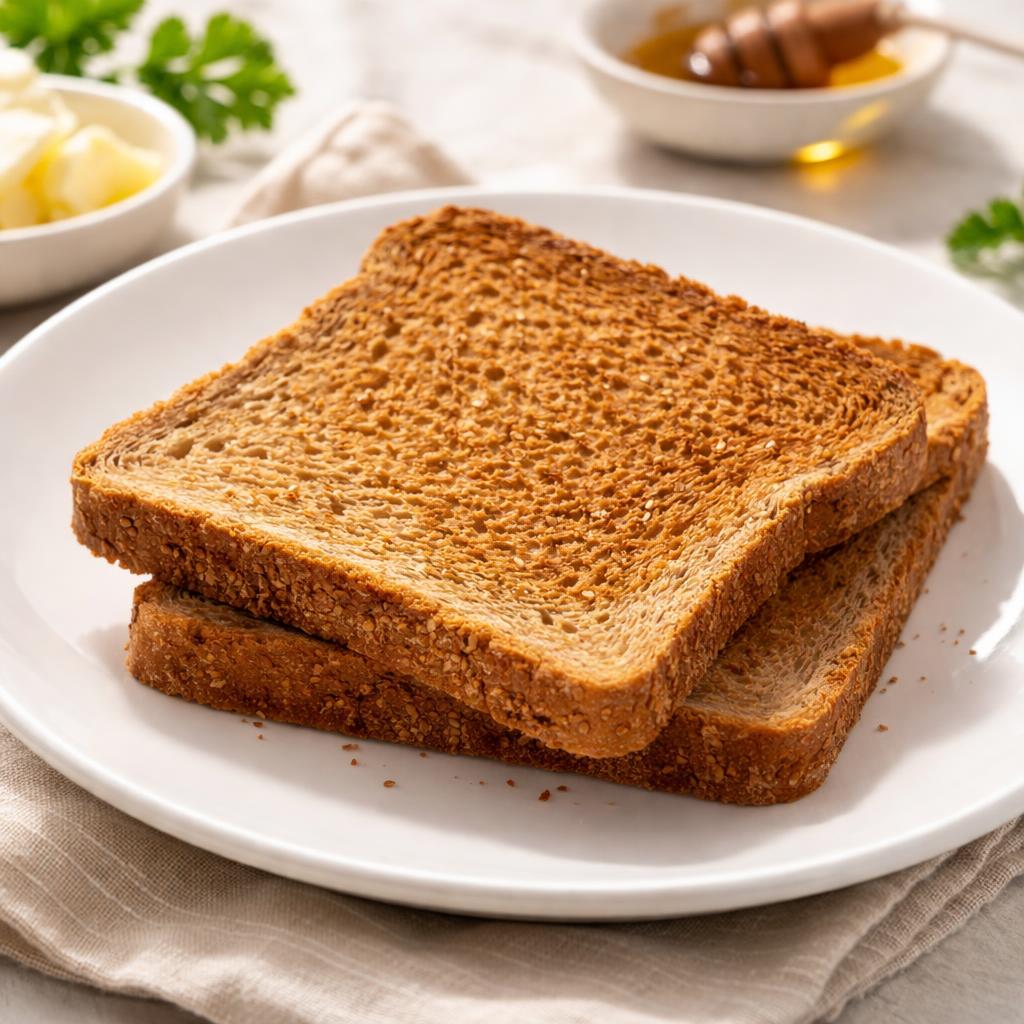
Whole Wheat Toast
🎯 Quick Verdict
Eggs are high in protein, lower in calories, and nutrient-dense, making them ideal for muscle growth and weight loss. Whole wheat toast, while higher in fiber and carbs, offers sustained energy and supports digestive health. Each food shines in its nutritional strengths depending on dietary needs and preferences.

Smart Nutrition Tracking with SnapCalorie

📊 Nutritional Comparison
Macronutrients
| Nutrient | Food 1 | Food 2 | Winner |
|---|---|---|---|
| Calories | 70 | 80 | ✓ |
| Protein | 6g | 4g | ✓ |
| Carbs | 1g | 14g | ✓ |
| Fat | 5g | 1g | ✓ |
| Fiber | 0g | 2g | ✓ |
Vitamins & Minerals
| Nutrient | Food 1 | Food 2 | Winner |
|---|---|---|---|
| Vitamin D | 1mcg | 0mcg | ✓ |
| Calcium | 25mg | 30mg | ✓ |
| Iron | 0.9mg | 1.2mg | ✓ |
🏆 Category Winners
Protein
Eggs offer 50% more protein than whole wheat toast per serving.
Fiber
Whole wheat toast provides dietary fiber, while eggs contain none.
Calories
Eggs have 13% fewer calories, aiding in weight management.
Vitamins
Eggs contain vitamin D and several other micronutrients, essential for overall health.
🥗 Diet Compatibility
Keto
Food 1: Compatible
Food 2: Not Compatible
Eggs are very low in carbs, while whole wheat toast is high-carb.
Vegan
Food 1: Not Compatible
Food 2: Compatible
Whole wheat toast is plant-based; eggs are an animal product.
Gluten Free
Food 1: Compatible
Food 2: Not Compatible
Eggs are naturally gluten-free, while whole wheat toast contains gluten.
Paleo
Food 1: Compatible
Food 2: Not Compatible
Eggs align with paleo guidelines; toast does not due to grains.
Low-Carb
Food 1: Compatible
Food 2: Not Compatible
Eggs have less than 1g carbs; toast contains 14g carbs per serving.
💪 Health Benefits Comparison
Food 1 Benefits
- Rich in high-quality protein for muscle repair and growth.
- Contains vitamin D to support bone health and immune function.
- Provides healthy fats essential for brain function.
Food 2 Benefits
- High in dietary fiber, promoting digestive health.
- Whole grains provide long-lasting energy and improve heart health.
- Good source of essential minerals like iron and magnesium.
✅ The Bottom Line
Eggs are an excellent option for those looking to boost protein intake, reduce carbs, or follow keto, paleo, or low-carb diets. Whole wheat toast is a fiber-rich, plant-based food that supports digestive health and provides sustained energy. Choose eggs for weight loss and muscle-building, while toast fits well in balanced, energy-sustained diets.
Choose Food 1 for: Weight loss, keto diets, post-workout recovery
Choose Food 2 for: Plant-based diets, sustained energy, digestive health


