Egg VS Sliced Avocado
A detailed nutritional comparison

Egg
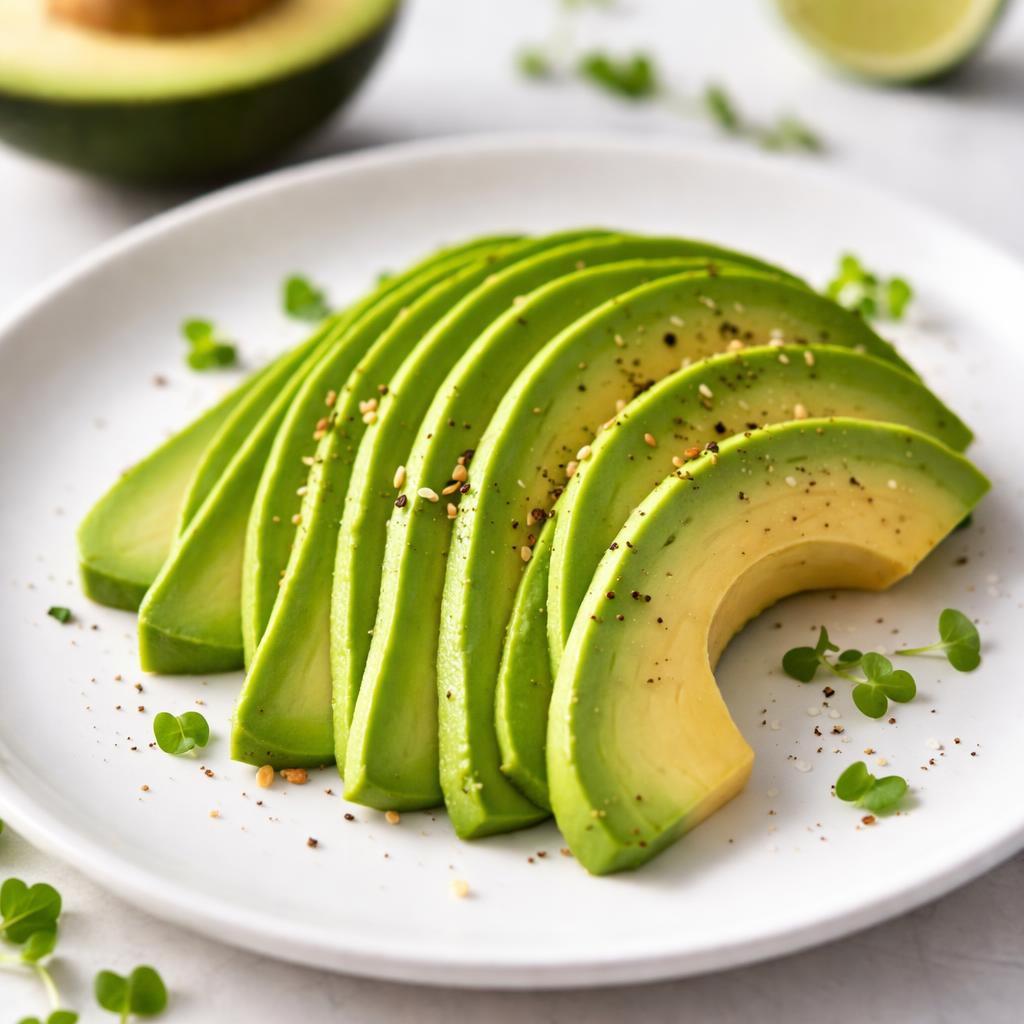
Sliced Avocado
🎯 Quick Verdict
Eggs provide significantly more protein and fewer calories compared to sliced avocado, which is richer in fiber and heart-healthy unsaturated fats. Eggs are ideal for muscle preservation and weight loss, while avocados excel in nutrient density and offering sustained energy through healthy fats. Both have unique benefits depending on dietary goals.

Smart Nutrition Tracking with SnapCalorie

📊 Nutritional Comparison
Macronutrients
| Nutrient | Food 1 | Food 2 | Winner |
|---|---|---|---|
| Calories | 68 | 160 | ✓ |
| Protein | 6g | 2g | ✓ |
| Carbs | 0.6g | 8.5g | ✓ |
| Fat | 4.8g | 15g | ✓ |
| Fiber | 0g | 7g | ✓ |
Vitamins & Minerals
| Nutrient | Food 1 | Food 2 | Winner |
|---|---|---|---|
| Vitamin D | 1mcg | 0mcg | ✓ |
| Vitamin C | 0mg | 10mg | ✓ |
| Vitamin A | 260IU | 146IU | ✓ |
| Potassium | 69mg | 485mg | ✓ |
| Iron | 0.9mg | 0.3mg | ✓ |
🏆 Category Winners
Protein
Eggs provide 3 times more protein compared to avocado.
Fiber
Avocado contains 7g of fiber per serving, while eggs have none.
Calories
Eggs are lower in calories, providing just 68 calories compared to 160 in avocado.
Vitamins
Eggs are rich in Vitamin D and A, while avocados excel in Vitamin C, Potassium, and fiber.
🥗 Diet Compatibility
Keto
Food 1: Compatible
Food 2: Compatible
Both foods are low in carbs and fit into a keto diet.
Vegan
Food 1: Not Compatible
Food 2: Compatible
Eggs are animal-derived, but avocado is plant-based.
Gluten Free
Food 1: Compatible
Food 2: Compatible
Both foods are naturally gluten-free.
Paleo
Food 1: Compatible
Food 2: Compatible
Both align with paleo dietary patterns.
Low-Carb
Food 1: Compatible
Food 2: Compatible
Eggs are very low in carbs (0.6g), while avocado is moderately low at 8.5g.
💪 Health Benefits Comparison
Food 1 Benefits
- Excellent source of high-quality protein for muscle growth
- Rich in Vitamin D to support bone health and immunity
- Contains choline for brain and nerve function
Food 2 Benefits
- Packed with healthy monounsaturated fats for heart health
- High in fiber to support digestion and satiety
- Rich in potassium, which helps regulate blood pressure
✅ The Bottom Line
Choose eggs when you need a high-protein, low-calorie option suitable for active lifestyles or weight loss goals. Opt for avocados when you're seeking heart-healthy fats, fiber, and a nutrient-dense addition to meals. Both foods are versatile and complement a variety of diets.
Choose Food 1 for: Weight loss, muscle gain, post-workout recovery
Choose Food 2 for: Heart health, sustained energy, nutrient-dense snacks or meals


