Egg VS Shakshuka
A detailed nutritional comparison

Egg
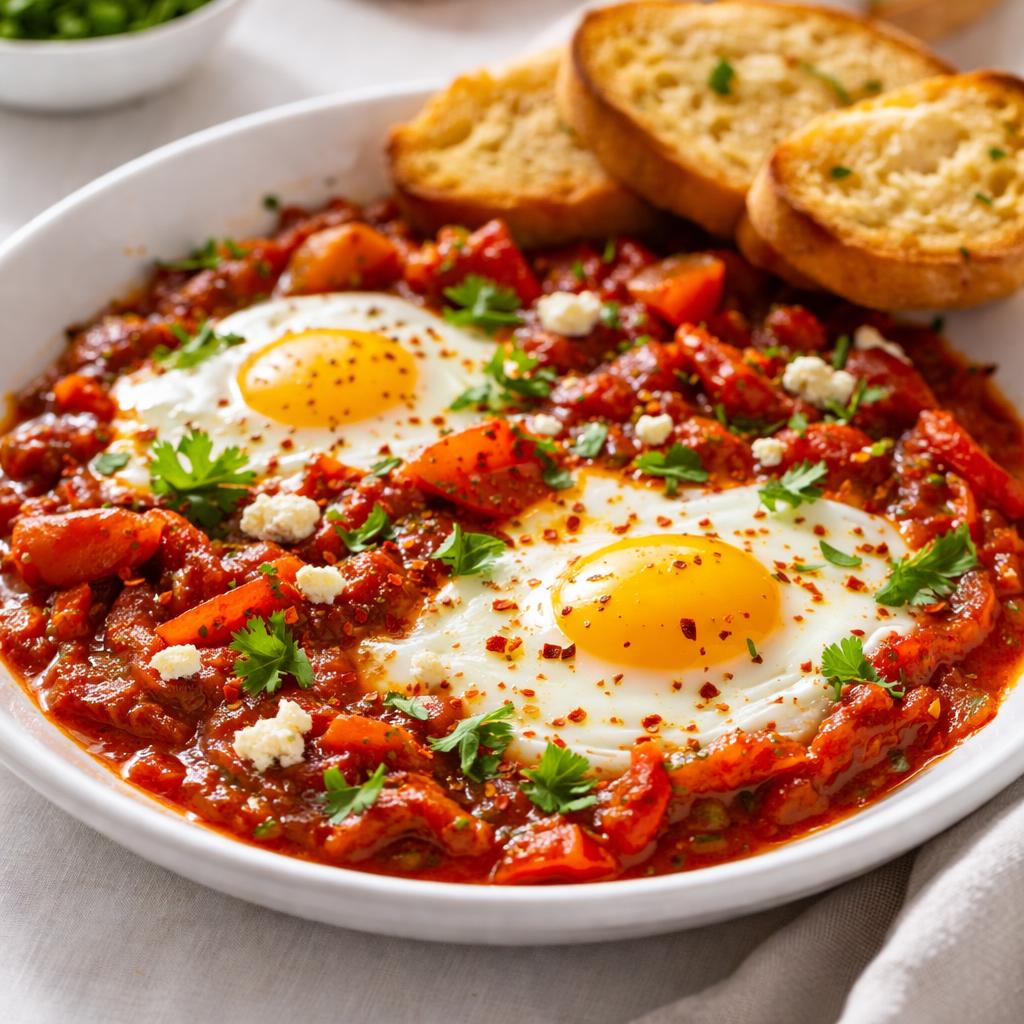
Shakshuka
🎯 Quick Verdict
Eggs provide a higher protein content and fewer calories, making them ideal for weight loss and muscle-building diets. Shakshuka is richer in fiber due to its vegetable base and offers more diverse micronutrients, making it a better option for those seeking nutrient density and heart health benefits.

Smart Nutrition Tracking with SnapCalorie

📊 Nutritional Comparison
Macronutrients
| Nutrient | Food 1 | Food 2 | Winner |
|---|---|---|---|
| Calories | 70 | 120 | ✓ |
| Protein | 6g | 4g | ✓ |
| Carbs | 0.6g | 6g | ✓ |
| Fat | 5g | 8g | ✓ |
| Fiber | 0g | 2g | ✓ |
Vitamins & Minerals
| Nutrient | Food 1 | Food 2 | Winner |
|---|---|---|---|
| Vitamin A | 75mcg | 250mcg | ✓ |
| Vitamin D | 1mcg | 0.5mcg | ✓ |
| Vitamin C | 0mg | 10mg | ✓ |
| Calcium | 25mg | 40mg | ✓ |
| Iron | 0.9mg | 1.5mg | ✓ |
🏆 Category Winners
Protein
Eggs provide 50% more protein per serving than shakshuka.
Fiber
Shakshuka includes vegetables and tomato sauce, offering dietary fiber.
Calories
Eggs are significantly lower in calories compared to shakshuka.
Vitamins
Due to its vegetable ingredients, shakshuka contains higher levels of Vitamin A, C, calcium, and iron.
🥗 Diet Compatibility
Keto
Food 1: Compatible
Food 2: Compatible
Both are low in carbs but shakshuka includes slightly more.
Vegan
Food 1: Not Compatible
Food 2: Not Compatible
Neither option is vegan due to egg content.
Gluten Free
Food 1: Compatible
Food 2: Compatible
Both foods are naturally gluten-free.
Paleo
Food 1: Compatible
Food 2: Compatible
Made from whole, unprocessed ingredients, both foods fit paleo guidelines.
Low Carb
Food 1: Compatible
Food 2: Compatible
Eggs are extremely low in carbs (0.6g), while shakshuka is moderately low-carb (6g per serving).
💪 Health Benefits Comparison
Food 1 Benefits
- Rich in high-quality protein for muscle growth and repair
- Contains choline for brain and liver function
- Low-calorie option for weight management
- Source of Vitamin D for bone health
Food 2 Benefits
- Provides dietary fiber for improved digestion
- Rich in antioxidants like lycopene from tomatoes
- Good source of Vitamin A for eye health
- Contains iron and calcium for overall nutrient support
✅ The Bottom Line
Eggs are a lean, protein-rich option ideal for weight loss, keto diets, and post-workout meals. Shakshuka is a nutrient-rich, fiber-containing dish perfect for balanced meals, especially for those seeking more vitamins and antioxidants.
Choose Food 1 for: Weight management, muscle building, low-calorie diets
Choose Food 2 for: Heart health, nutrient variety, balanced energy


