Egg VS Sesame Oil
A detailed nutritional comparison

Egg
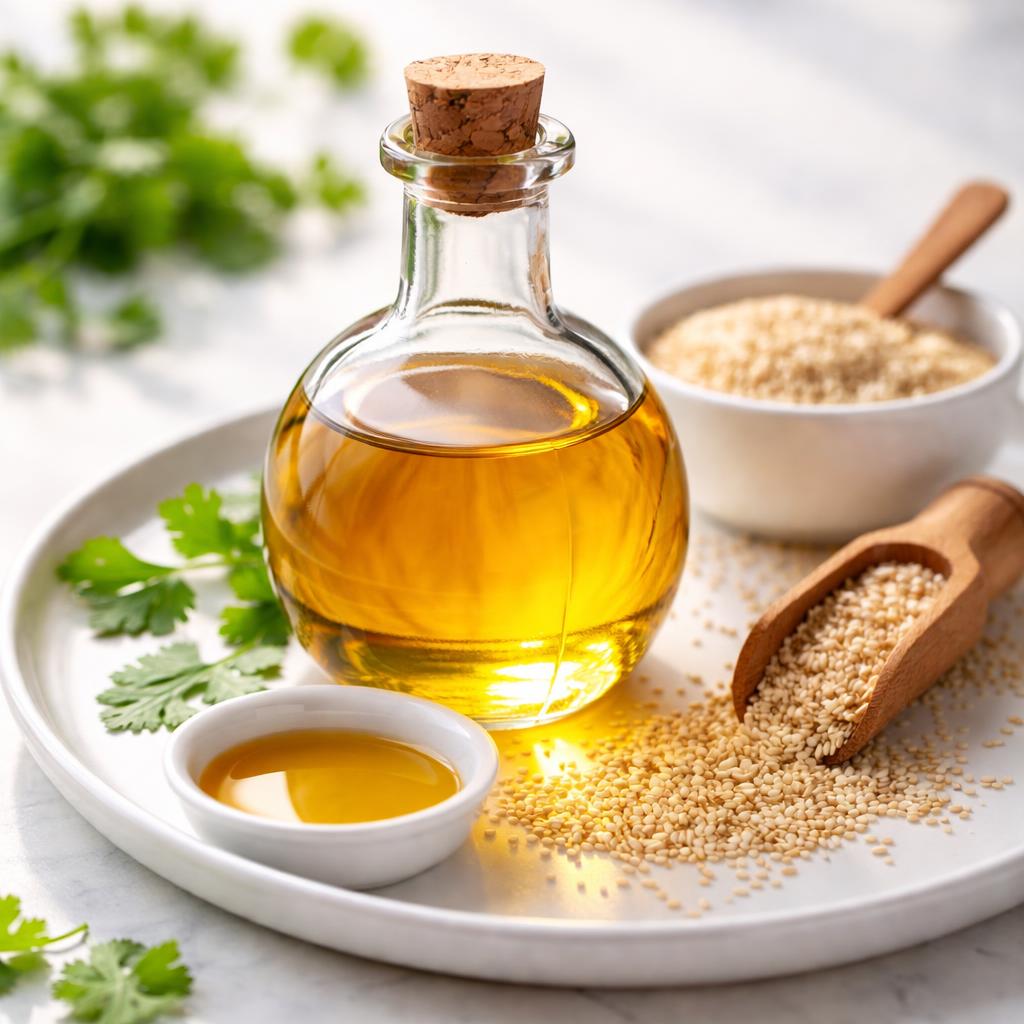
Sesame Oil
🎯 Quick Verdict
Eggs are rich in protein and packed with essential vitamins like B12 and Vitamin D, making them ideal for muscle-building and maintaining overall health. Sesame oil, on the other hand, offers healthy fats and antioxidants, making it a great choice for heart health and culinary applications. Eggs are better suited for high-protein diets, whereas sesame oil excels as a flavorful cooking oil with nutrient benefits.

Smart Nutrition Tracking with SnapCalorie

📊 Nutritional Comparison
Macronutrients
| Nutrient | Food 1 | Food 2 | Winner |
|---|---|---|---|
| Calories | 70 | 120 | ✓ |
| Protein | 6g | 0g | ✓ |
| Carbs | 0g | 0g | − |
| Fat | 5g | 14g | ✓ |
| Fiber | 0g | 0g | − |
Vitamins & Minerals
| Nutrient | Food 1 | Food 2 | Winner |
|---|---|---|---|
| Vitamin D | 1mcg | 0mcg | ✓ |
| Vitamin B12 | 0.6mcg | 0mcg | ✓ |
| Vitamin E | 0.5mg | 1.4mg | ✓ |
🏆 Category Winners
Protein
Eggs provide 6g of protein while sesame oil contains none.
Fiber
Neither food contains dietary fiber.
Calories
Eggs have 70 calories versus 120 calories in sesame oil.
Vitamins
Eggs offer Vitamin D and B12 which sesame oil lacks.
🥗 Diet Compatibility
Keto
Food 1: Compatible
Food 2: Compatible
Both are low-carb foods appropriate for ketogenic diets.
Vegan
Food 1: Not Compatible
Food 2: Compatible
Eggs are animal-derived, while sesame oil is plant-based.
Gluten Free
Food 1: Compatible
Food 2: Compatible
Both foods are naturally gluten-free.
Paleo
Food 1: Compatible
Food 2: Compatible
Both foods fit into paleo dietary guidelines.
Low Carb
Food 1: Compatible
Food 2: Compatible
Neither food contains carbohydrates.
💪 Health Benefits Comparison
Food 1 Benefits
- High in protein for muscle repair and maintenance
- Excellent source of Vitamin D for bone health
- Rich in choline for brain function and metabolism
Food 2 Benefits
- Rich in healthy fats for heart health
- Contains antioxidants for reducing inflammation
- Source of Vitamin E for skin and immune support
✅ The Bottom Line
Eggs and sesame oil serve very different purposes in your diet. Choose eggs for high-protein needs, building muscle, and vitamin intake. Opt for sesame oil for healthy fats, cooking, and heart health. When crafting meals, eggs suit breakfast, snacks, and high-protein recipes, while sesame oil shines in dressings, stir-fries, and adding flavor to meals.
Choose Food 1 for: Muscle building, weight loss, vitamin D intake
Choose Food 2 for: Heart health, culinary flavor enhancement, skin health


