Egg VS Scrambled Egg
A detailed nutritional comparison
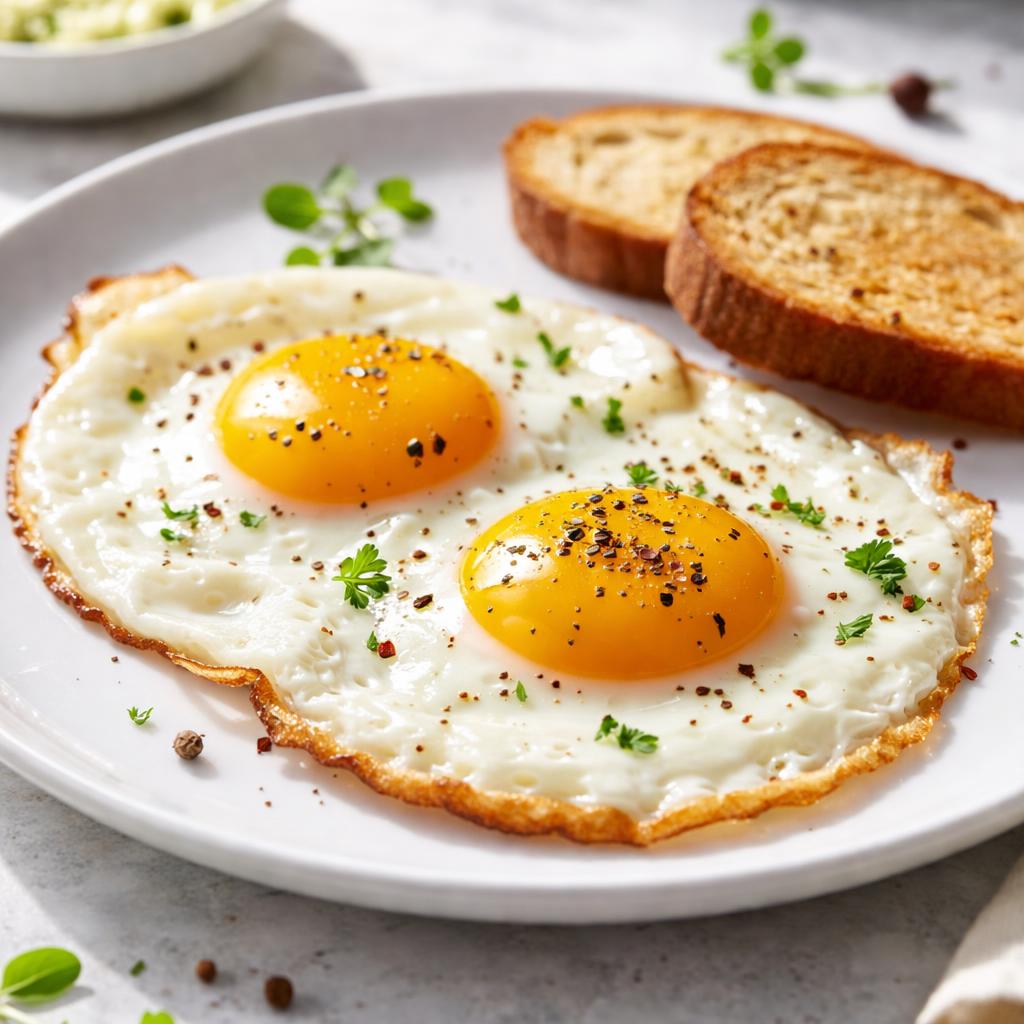
Egg
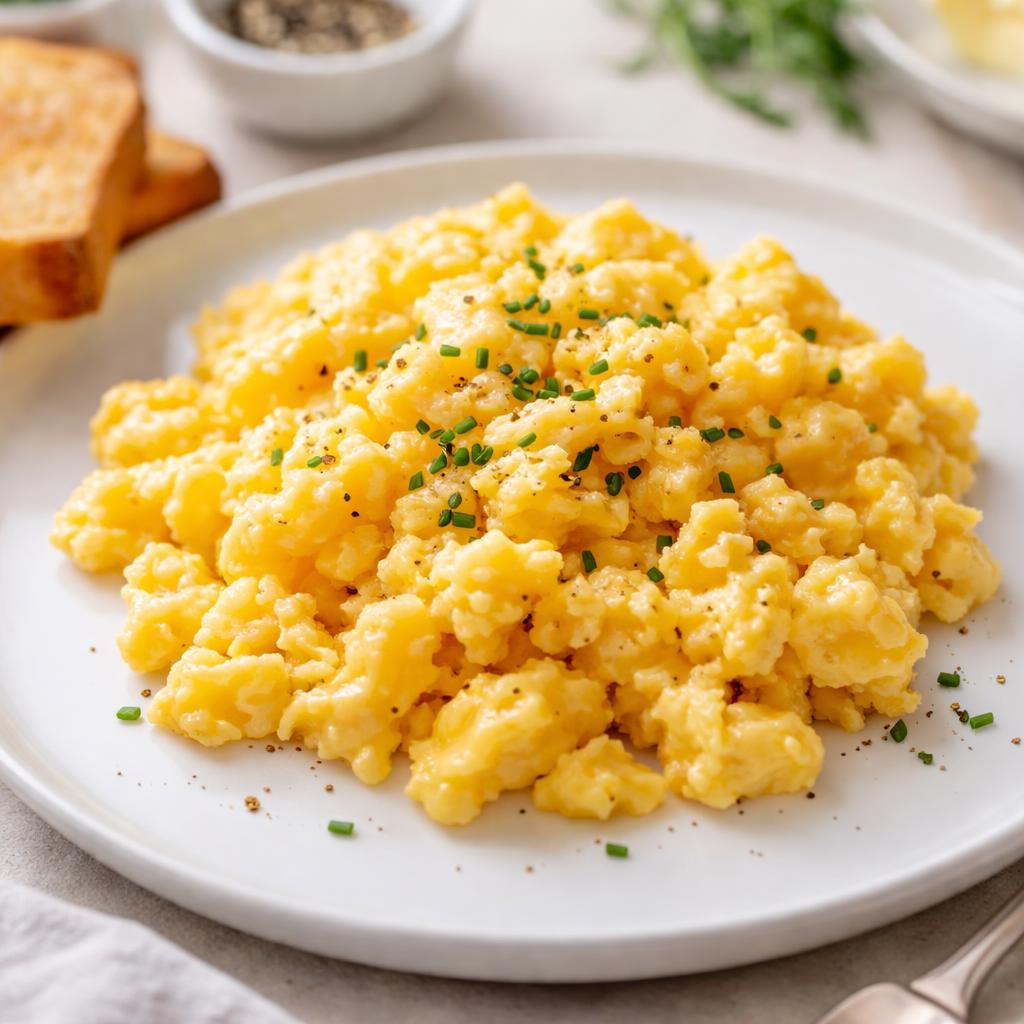
Scrambled Egg
🎯 Quick Verdict
Eggs and scrambled eggs are nutritionally similar, but preparation methods slightly affect their caloric and fat content. A whole egg has higher protein and fewer calories compared to scrambled eggs, which can contain added fats depending on preparation. Eggs are versatile and suitable for a high-protein diet, while scrambled eggs are a great option for a richer, more flavorful meal in moderation.

Smart Nutrition Tracking with SnapCalorie

📊 Nutritional Comparison
Macronutrients
| Nutrient | Food 1 | Food 2 | Winner |
|---|---|---|---|
| Calories | 70 | 91 | ✓ |
| Protein | 6g | 5.7g | ✓ |
| Carbs | 0.6g | 1.1g | ✓ |
| Fat | 5g | 6.7g | ✓ |
| Fiber | 0g | 0g | − |
Vitamins & Minerals
| Nutrient | Food 1 | Food 2 | Winner |
|---|---|---|---|
| Vitamin D | 1mcg | 1.1mcg | ✓ |
| Choline | 150mg | 140mg | ✓ |
| Vitamin B12 | 0.6mcg | 0.5mcg | ✓ |
🏆 Category Winners
Protein
Food1 provides slightly more protein per serving (6g vs 5.7g).
Fiber
Neither food contains fiber.
Calories
Food1 has fewer calories (70 vs 91).
Vitamins
Both foods provide various vitamins, but differences are minimal based on preparation methods.
🥗 Diet Compatibility
Keto
Food 1: Compatible
Food 2: Compatible
Both are low in carbohydrates.
Vegan
Food 1: Not Compatible
Food 2: Not Compatible
Both come from animal sources.
Gluten Free
Food 1: Compatible
Food 2: Compatible
Neither contains gluten.
Paleo
Food 1: Compatible
Food 2: Compatible
Both fit into paleo diets as whole-food options.
Low Carb
Food 1: Compatible
Food 2: Compatible
Both are very low-carb options.
💪 Health Benefits Comparison
Food 1 Benefits
- Rich source of high-quality protein for muscle development.
- Contains choline, supporting brain health.
- Supplies moderate amounts of Vitamin D for bone health.
Food 2 Benefits
- Provides similar protein content with enhanced flavor when prepared with added ingredients.
- Contains healthy fats that support heart health depending on preparation (e.g., using butter).
- Supplies Vitamin D in slightly higher amounts, beneficial for bones and immunity.
✅ The Bottom Line
Whole eggs are a better choice for fewer calories and slightly higher protein, while scrambled eggs are better for a rich taste, especially when prepared with healthy fats. Both are excellent options for low-carb diets and provide important micronutrients like choline and Vitamin D.
Choose Food 1 for: Low-calorie meals, high-protein snacks, weight management.
Choose Food 2 for: Flavorful breakfasts, sustained energy, rich meals in moderation.


