Egg VS Sambal
A detailed nutritional comparison

Egg
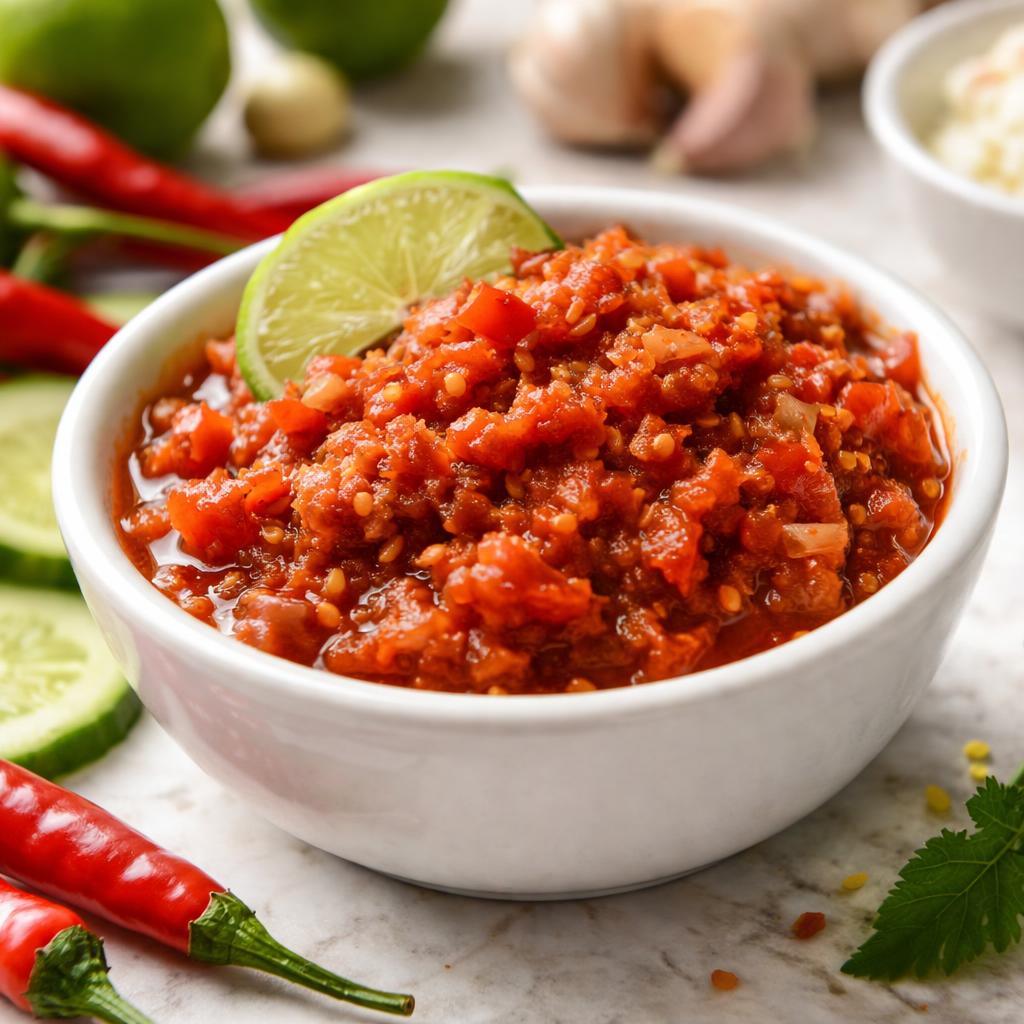
Sambal
🎯 Quick Verdict
Eggs are a high-protein, nutrient-dense food ideal for muscle building and general health, while sambal is a spicy condiment rich in flavor and antioxidants. Eggs excel in protein and vitamins, whereas sambal contributes dietary fiber and adds zest to dishes, but is lower in protein and higher in sodium and calories per serving.

Smart Nutrition Tracking with SnapCalorie

📊 Nutritional Comparison
Macronutrients
| Nutrient | Food 1 | Food 2 | Winner |
|---|---|---|---|
| Calories | 68 | 100 | ✓ |
| Protein | 6g | 1g | ✓ |
| Carbs | 0.6g | 9g | ✓ |
| Fat | 5g | 6g | ✓ |
| Fiber | 0g | 2g | ✓ |
Vitamins & Minerals
| Nutrient | Food 1 | Food 2 | Winner |
|---|---|---|---|
| Vitamin D | 1.1mcg | 0mcg | ✓ |
| Vitamin C | 0mg | 10mg | ✓ |
| Iron | 0.88mg | 0.5mg | ✓ |
| Calcium | 25mg | 11mg | ✓ |
🏆 Category Winners
Protein
Eggs contain 6g of protein, which is significantly higher than sambal's 1g per serving.
Fiber
Sambal offers 2g of fiber, whereas eggs contain none.
Calories
Eggs contain 32% fewer calories per serving than sambal.
🥗 Diet Compatibility
Keto
Food 1: Compatible
Food 2: Compatible
Both foods are low in carbohydrates.
Vegan
Food 1: Not Compatible
Food 2: Compatible
Eggs are animal-based, while sambal is plant-based.
Gluten Free
Food 1: Compatible
Food 2: Compatible
Neither contains gluten.
Paleo
Food 1: Compatible
Food 2: Compatible
Both are whole foods suitable for paleo diets.
Low Carb
Food 1: Highly Compatible
Food 2: Moderately Compatible
Eggs have very few carbs (0.6g), while sambal has moderate carbs (9g per serving).
💪 Health Benefits Comparison
Food 1 Benefits
- Excellent source of high-quality protein for muscle repair and tissue health
- Rich in choline, supporting brain health
- Contains vitamin D for bone health and immune function
- May improve eye health through its lutein and zeaxanthin content
Food 2 Benefits
- High in antioxidants from chili peppers, helping to reduce inflammation
- Provides dietary fiber, promoting digestive health
- Contains compounds that may boost metabolism
- Adds flavor with minimal sugar, enhancing heart-healthy dishes
✅ The Bottom Line
Eggs are best for those seeking a high-protein food with essential nutrients like choline, vitamin D, and healthy fats, making them ideal for muscle building, weight loss, and general health. Sambal, on the other hand, is a flavorful addition to dishes, boasting fiber and antioxidants, but it works better as a condiment rather than a primary source of nutrition.
Choose Food 1 for: Muscle building, weight loss, post-workout meals, nutrient-dense diets
Choose Food 2 for: Flavor enhancement, digestive health, anti-inflammatory support, spicy cuisine


