Egg VS Salt
A detailed nutritional comparison

Egg
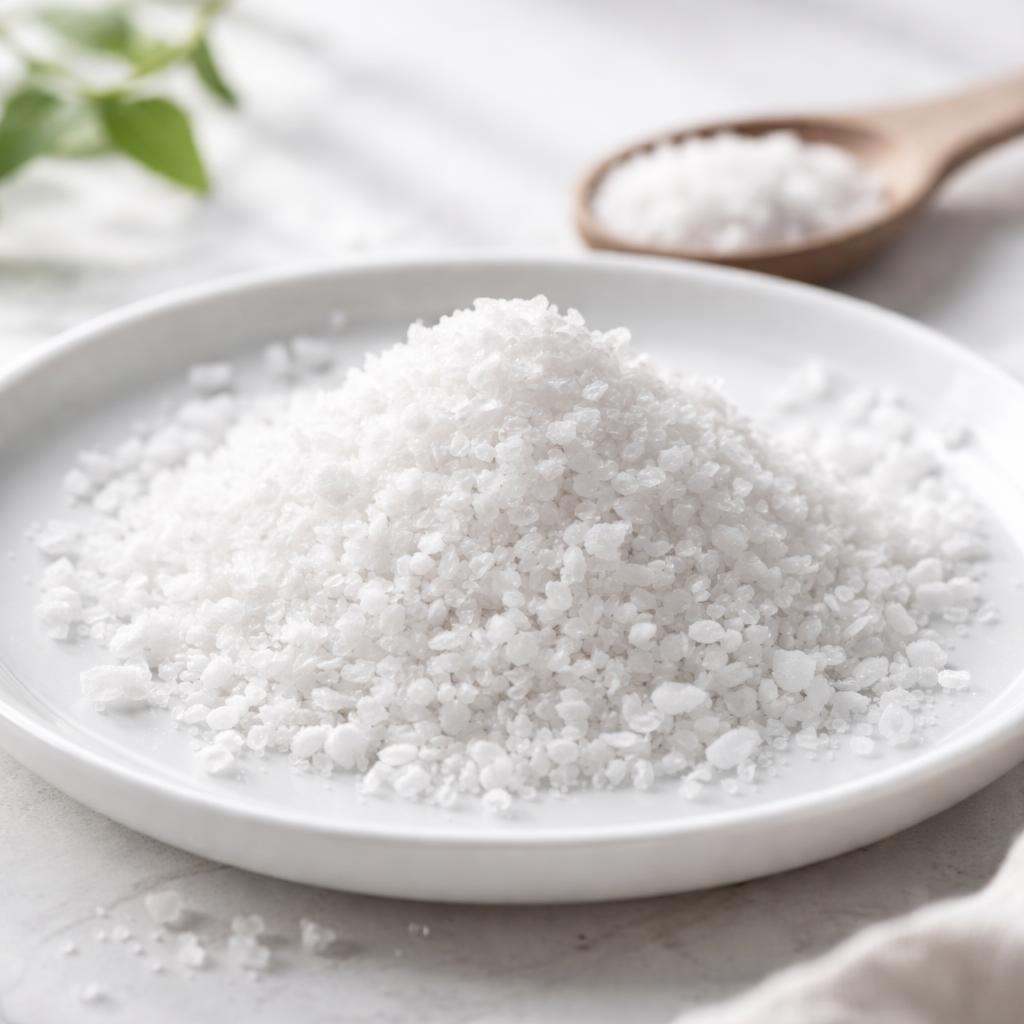
Salt
🎯 Quick Verdict
Eggs are nutrient-dense, offering high-quality protein, vitamins, and minerals, whereas salt provides no calories or macronutrients but is essential for sodium intake. Eggs are versatile for any meal, while salt is critical for enhancing flavor and managing electrolytes in moderation.

Smart Nutrition Tracking with SnapCalorie

📊 Nutritional Comparison
Macronutrients
| Nutrient | Food 1 | Food 2 | Winner |
|---|---|---|---|
| Calories | 68 per egg | 0 per teaspoon | ✓ |
| Protein | 6g per egg | 0g | ✓ |
| Carbs | 0.6g per egg | 0g | ✓ |
| Fat | 5g per egg | 0g | ✓ |
| Fiber | 0g per egg | 0g | − |
Vitamins & Minerals
| Nutrient | Food 1 | Food 2 | Winner |
|---|---|---|---|
| Vitamin D | 1mcg per egg | 0mcg | ✓ |
| Calcium | 25mg per egg | 0mg | ✓ |
| Iron | 0.9mg per egg | 0mg | ✓ |
| Sodium | 65mg per egg | 2325mg per teaspoon | ✓ |
🏆 Category Winners
Protein
Egg is a complete protein source with 6g per serving.
Fiber
Neither food contains fiber.
Calories
Salt provides no calories, making it ideal for calorie-conscious diets.
Vitamins
Eggs provide essential vitamins like Vitamin D, Calcium, and Iron, whereas salt does not contain vitamins.
🥗 Diet Compatibility
Keto
Food 1: Compatible
Food 2: Compatible
Both foods are low-carb and fit within ketogenic guidelines.
Vegan
Food 1: Not Compatible
Food 2: Compatible
Egg is an animal product, whereas salt is plant-based.
Gluten Free
Food 1: Compatible
Food 2: Compatible
Neither food contains gluten.
Paleo
Food 1: Compatible
Food 2: Compatible
Egg is a whole food and salt is allowed on the paleo diet.
Low-Carb
Food 1: Compatible
Food 2: Compatible
Both foods are extremely low in carbohydrates.
💪 Health Benefits Comparison
Food 1 Benefits
- High-quality protein for muscle building and repair
- Rich in essential vitamins like Vitamin D and Iron
- Contains healthy fats, including omega-3s, for brain health
- Supports satiety due to balanced macronutrient profile
Food 2 Benefits
- Essential source of sodium for maintaining electrolyte balance
- Vital for nerve and muscle function
- Helps flavor and preserve food
- Potential use in hydration strategies when losing salts during exercise
✅ The Bottom Line
Eggs are a nutrient powerhouse great for meals or snacks, providing protein and vitamins. Salt is essential for flavor and sodium intake but should be consumed in moderation to avoid excessive sodium intake. Eggs are ideal for those looking to increase protein, while salt supports hydration and taste enhancement in cooking.
Choose Food 1 for: Muscle-building, nutrient-rich snacks, keto and paleo diets
Choose Food 2 for: Flavor enhancement, electrolyte balance, low-calorie diets


