Egg VS Salmon
A detailed nutritional comparison

Egg
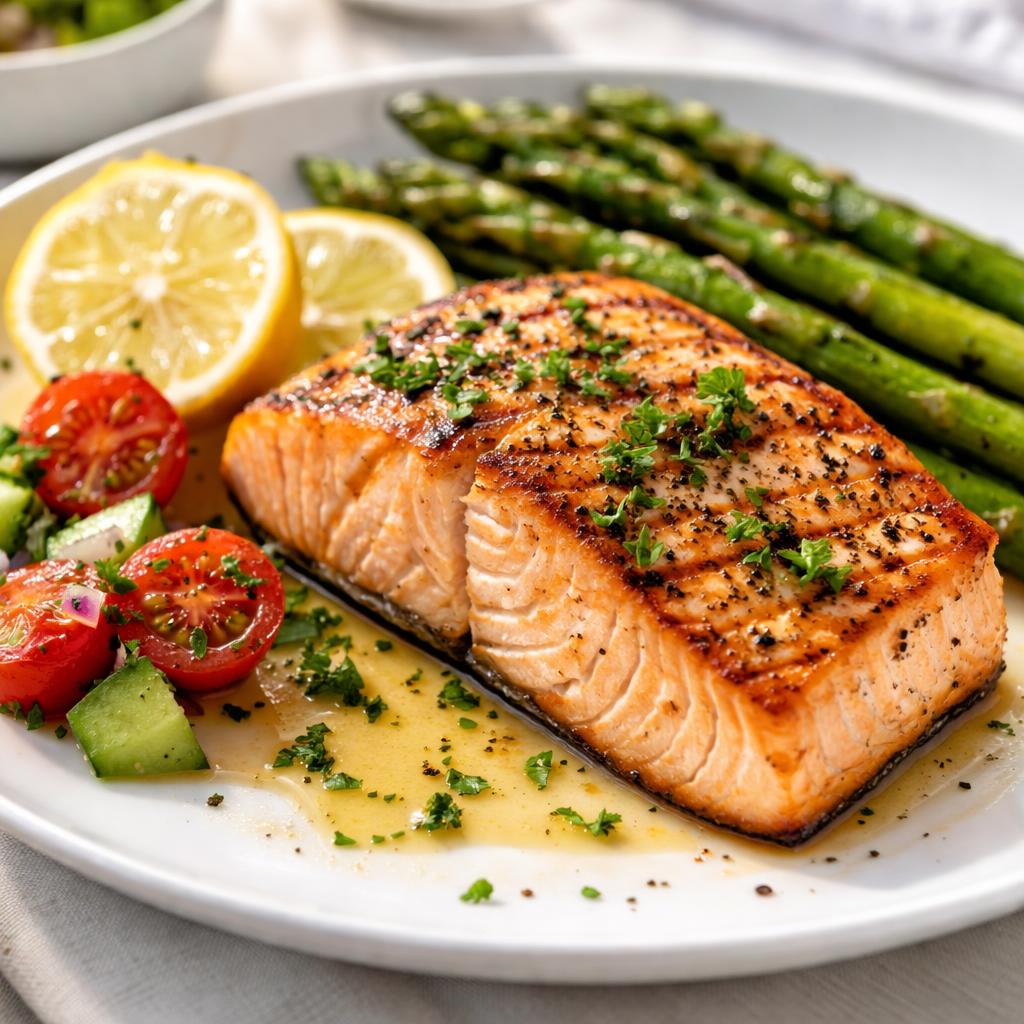
Salmon
🎯 Quick Verdict
Eggs and salmon are powerhouse protein foods, but differ in their nutritional profiles. Salmon excels in heart-healthy omega-3s and vitamin D, while eggs offer fewer calories and valuable nutrients like choline. Eggs are versatile and convenient, while salmon is ideal for its nutrient density and sustained energy benefits.

Smart Nutrition Tracking with SnapCalorie

📊 Nutritional Comparison
Macronutrients
| Nutrient | Food 1 | Food 2 | Winner |
|---|---|---|---|
| Calories | 70 | 206 | − |
| Protein | 6g | 22g | − |
| Carbs | 0g | 0g | − |
| Fat | 5g | 13g | − |
| Fiber | 0g | 0g | − |
Vitamins & Minerals
| Nutrient | Food 1 | Food 2 | Winner |
|---|---|---|---|
| Vitamin D | 1mcg | 11mcg | − |
| Vitamin B12 | 0.6mcg | 3.2mcg | − |
| Choline | 147mg | 75mg | − |
🏆 Category Winners
Protein
Salmon has 22g protein per serving, but eggs are comparable when adjusted for portion size.
Fiber
Neither food contains fiber.
Calories
Eggs contain significantly fewer calories (70 vs 206).
Vitamins
Salmon provides higher levels of vitamin D and B12, important for immunity and energy.
🥗 Diet Compatibility
Keto
Food 1: Compatible
Food 2: Compatible
Both are low-carb and high-fat foods.
Vegan
Food 1: Not Compatible
Food 2: Not Compatible
Both are animal-based foods.
Gluten Free
Food 1: Compatible
Food 2: Compatible
Neither contains gluten.
Paleo
Food 1: Compatible
Food 2: Compatible
Both foods align with paleo guidelines.
Low Carb
Food 1: Compatible
Food 2: Compatible
Neither contains carbohydrates.
💪 Health Benefits Comparison
Food 1 Benefits
- High-quality protein for muscle maintenance
- Rich in choline for brain health and metabolism
- Contains lutein and zeaxanthin for eye health
- Convenient and versatile for quick meals
Food 2 Benefits
- Excellent source of omega-3 fatty acids for heart health
- Rich in vitamin D for bone and immune support
- Provides B vitamins for energy metabolism
- Contains antioxidants like astaxanthin for reducing inflammation
✅ The Bottom Line
Choose eggs if you need a quick, low-calorie, versatile protein source that’s affordable and easy to prepare. Opt for salmon when seeking nutrient-dense meals rich in omega-3s, vitamin D, and sustained energy. Both are top-tier choices for healthy diets.
Choose Food 1 for: Quick meals, weight management, affordable protein source
Choose Food 2 for: Heart health, muscle building, nutrient-dense meals


