Egg VS Pure Whey Protein
A detailed nutritional comparison

Egg
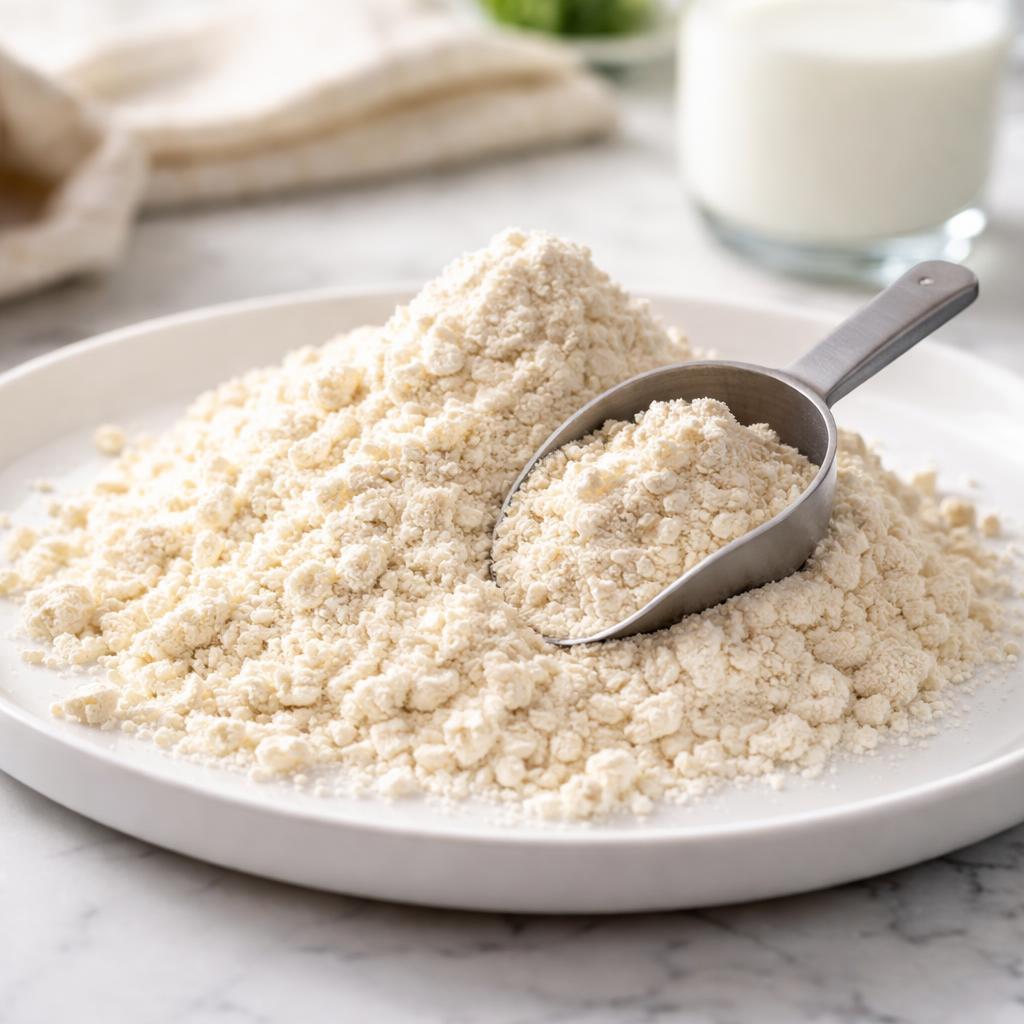
Pure Whey Protein
🎯 Quick Verdict
Pure whey protein provides more protein per serving (25g vs. 6g for eggs) and is lower in calories (100 vs. 68 for one egg). However, eggs offer additional vitamins and nutrients such as choline, Vitamin D, and essential fats. Whey protein is ideal for muscle recovery and high-protein diets, while eggs are versatile and nutrient-dense for overall health improvement.

Smart Nutrition Tracking with SnapCalorie

📊 Nutritional Comparison
Macronutrients
| Nutrient | Food 1 | Food 2 | Winner |
|---|---|---|---|
| Calories | 68 calories (per large egg) | 100 calories (per scoop) | ✓ |
| Protein | 6g | 25g | ✓ |
| Carbs | 0.6g | 2g | ✓ |
| Fat | 5g | 0.5g | ✓ |
| Fiber | 0g | 0g | − |
Vitamins & Minerals
| Nutrient | Food 1 | Food 2 | Winner |
|---|---|---|---|
| Vitamin D | 1mcg | 0mcg | ✓ |
| Choline | 147mg | 0mg | ✓ |
| B Vitamins | High in B12 and B2 | May contain trace amounts | ✓ |
| Calcium | 25mg | 150mg | ✓ |
| Iron | 0.9mg | 0.1mg | ✓ |
🏆 Category Winners
Protein
Pure whey protein dominates with 25g of protein compared to 6g in an egg.
Fiber
Neither food contains fiber, making this category a tie.
Calories
Eggs win with fewer calories per serving.
Vitamins
Eggs provide natural vitamins like Vitamin D, choline, and B12 not found in whey protein.
🥗 Diet Compatibility
Keto
Food 1: Compatible
Food 2: Compatible
Both are low-carb, making them suitable for keto diets.
Vegan
Food 1: Not Compatible
Food 2: Not Compatible
Both are derived from animal products and do not align with vegan diets.
Gluten Free
Food 1: Compatible
Food 2: Compatible
Neither contains gluten, so they are safe for gluten-free diets.
Paleo
Food 1: Compatible
Food 2: Not Compatible
Eggs are naturally paleo, while whey protein is processed and not typically considered paleo.
Low Carb
Food 1: Compatible
Food 2: Compatible
Both foods are very low in carbs (less than 2g/serving).
💪 Health Benefits Comparison
Food 1 Benefits
- Contains essential fatty acids for brain and heart health
- Rich in choline, which supports cognitive function
- Provides Vitamin D for bone health
- Source of Vitamin B12 for energy metabolism
Food 2 Benefits
- High in protein for muscle recovery and growth
- Low fat content supports weight management
- Quick and convenient protein source for active lifestyles
- May support appetite control when consumed in shakes
✅ The Bottom Line
Choose eggs for overall health, versatility in cooking, and natural vitamins like Vitamin D and B12. Opt for whey protein if you're seeking concentrated, fast-digesting protein for muscle recovery or performance goals. Both are beneficial depending on your dietary needs.
Choose Food 1 for: Breakfast, nutrient boosting, balanced meals, brain health
Choose Food 2 for: Post-workout recovery, high-protein diets, snacks for active lifestyles


