Egg VS Prosciutto
A detailed nutritional comparison
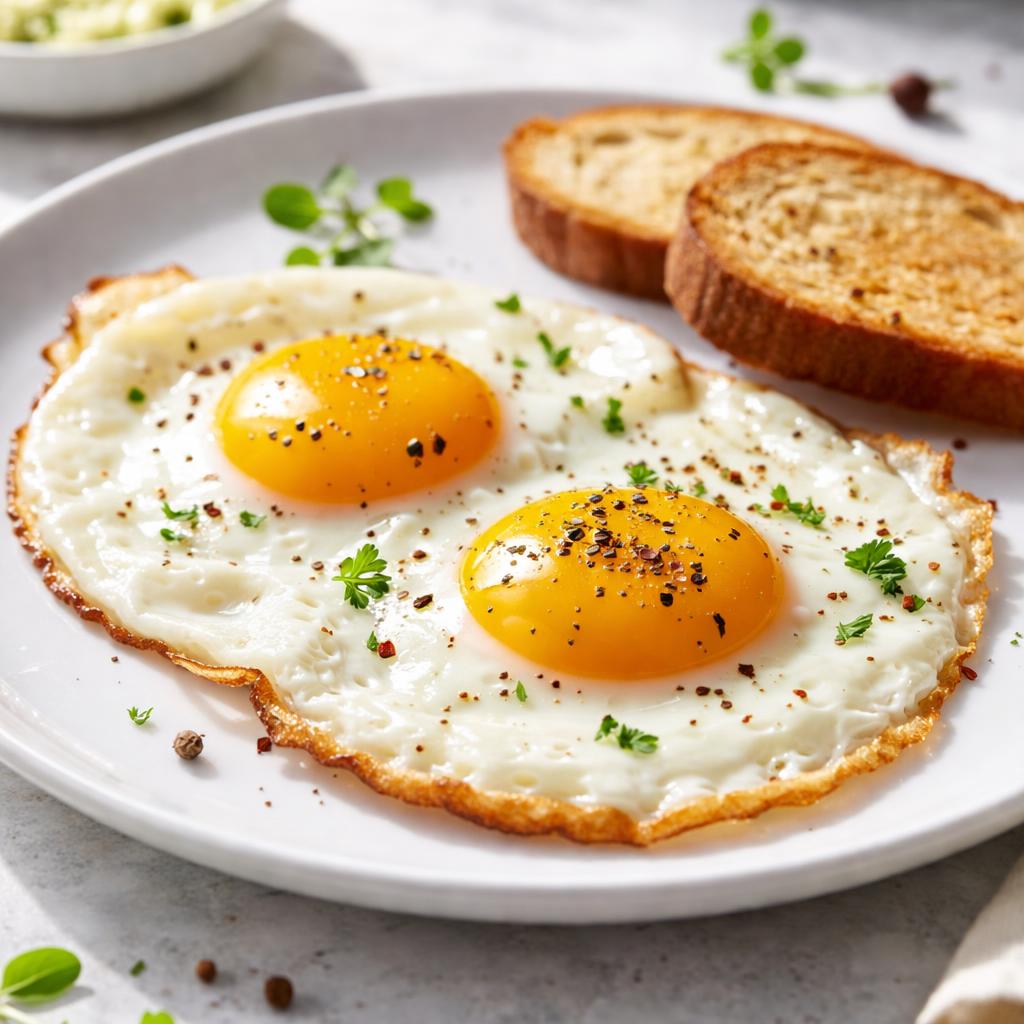
Egg
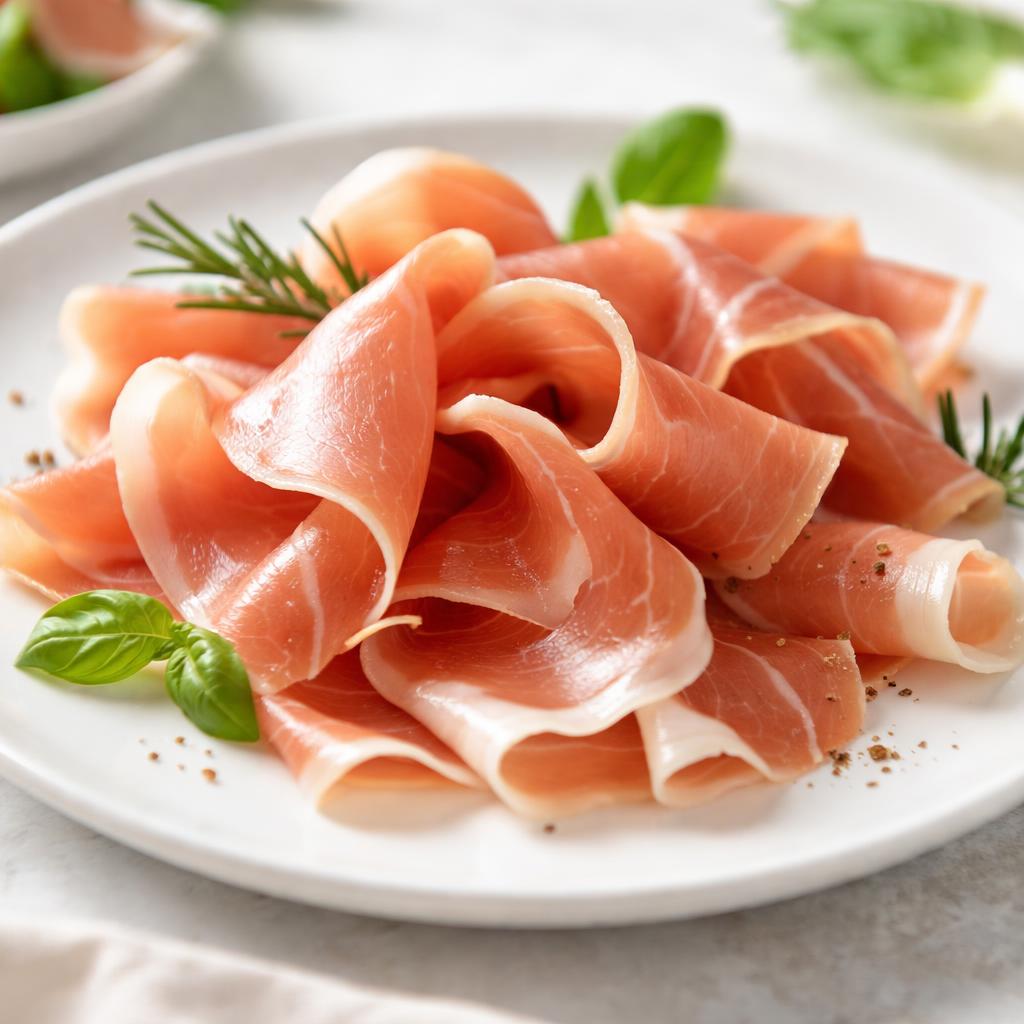
Prosciutto
🎯 Quick Verdict
Eggs and prosciutto are both protein-rich options, but eggs offer a more balanced nutritional profile with fewer calories and more vitamins. Prosciutto is higher in sodium and fat and does not provide fiber. Eggs are more versatile for weight loss and balanced meals, while prosciutto can enhance flavor in dishes with its rich taste and fat content.

Smart Nutrition Tracking with SnapCalorie

📊 Nutritional Comparison
Macronutrients
| Nutrient | Food 1 | Food 2 | Winner |
|---|---|---|---|
| Calories | 68 | 160 | ✓ |
| Protein | 6g | 5g | ✓ |
| Carbs | 0.6g | 0g | ✓ |
| Fat | 5g | 9g | ✓ |
| Fiber | 0g | 0g | − |
Vitamins & Minerals
| Nutrient | Food 1 | Food 2 | Winner |
|---|---|---|---|
| Vitamin D | 1mcg | 0mcg | ✓ |
| Calcium | 22mg | 12mg | ✓ |
| Iron | 1mg | 0.3mg | ✓ |
🏆 Category Winners
Protein
Eggs contain slightly more protein per gram than prosciutto.
Fiber
Neither food contains fiber.
Calories
Eggs have 58% fewer calories than prosciutto per serving.
Vitamins
Eggs are richer in essential vitamins like Vitamin D and Iron compared to prosciutto.
🥗 Diet Compatibility
Keto
Food 1: Compatible
Food 2: Compatible
Both foods are low-carb and fit well in ketogenic diets.
Vegan
Food 1: Not Compatible
Food 2: Not Compatible
Both foods are animal-derived and not suitable for vegan diets.
Gluten Free
Food 1: Compatible
Food 2: Compatible
Neither food contains gluten naturally.
Paleo
Food 1: Compatible
Food 2: Not Compatible
Eggs are paleo-friendly; prosciutto may not meet strict paleo standards due to processing.
Low-Carb
Food 1: Compatible
Food 2: Compatible
Both foods have minimal carbohydrates, ideal for low-carb diets.
💪 Health Benefits Comparison
Food 1 Benefits
- High-quality protein for muscle growth and repair
- Provides essential Vitamin D for bone health
- Rich in antioxidants like lutein and zeaxanthin for eye health
Food 2 Benefits
- Contains healthy fats for energy
- Rich, savory flavor enhances dishes
- Minimal carbohydrates suitable for keto diets
✅ The Bottom Line
Eggs are the more nutritious option with lower calories, higher protein, and essential vitamins, making them ideal for weight loss and balanced meals. Prosciutto, with its high sodium and fat content, is best enjoyed as a flavorful addition to dishes in moderation.
Choose Food 1 for: Weight loss, balanced meals, muscle building
Choose Food 2 for: Flavor enhancement, keto diets, occasional indulgence


