Egg VS Pickled Onions
A detailed nutritional comparison
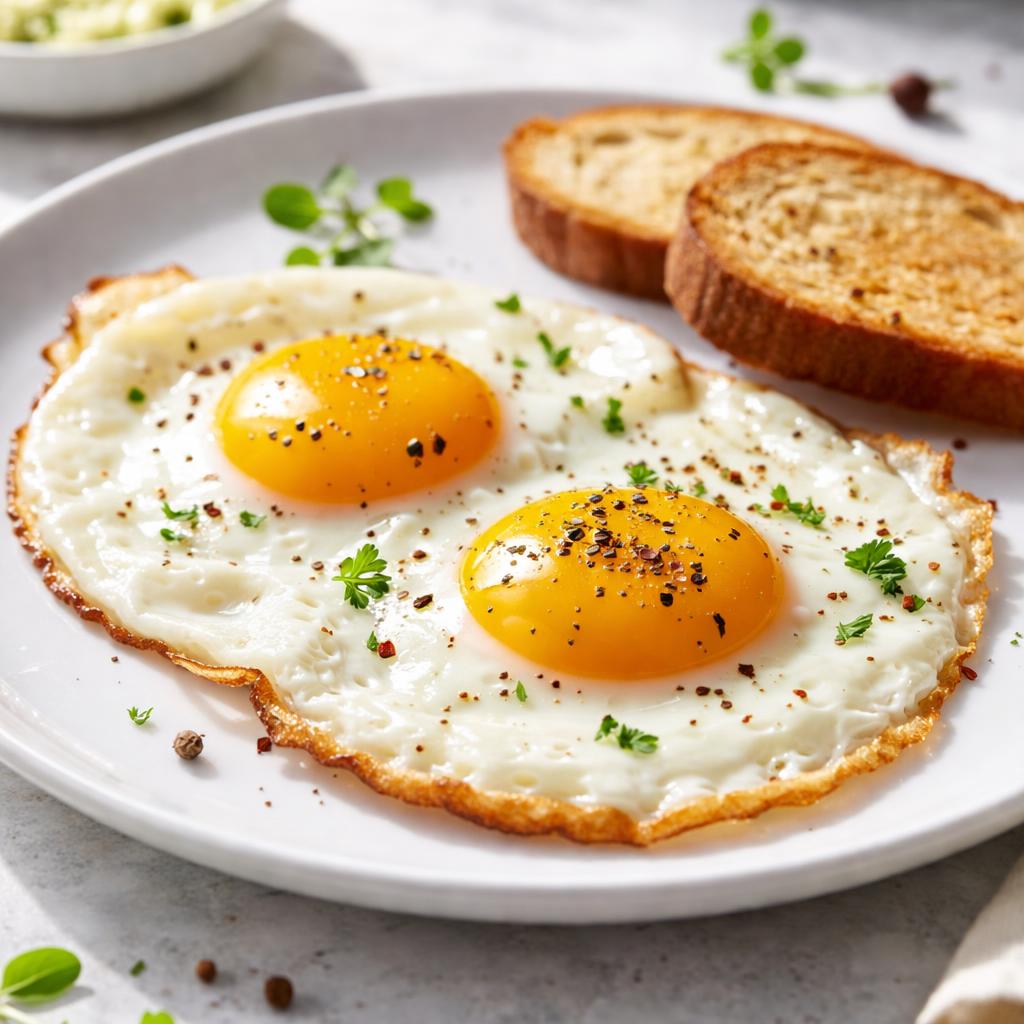
Egg
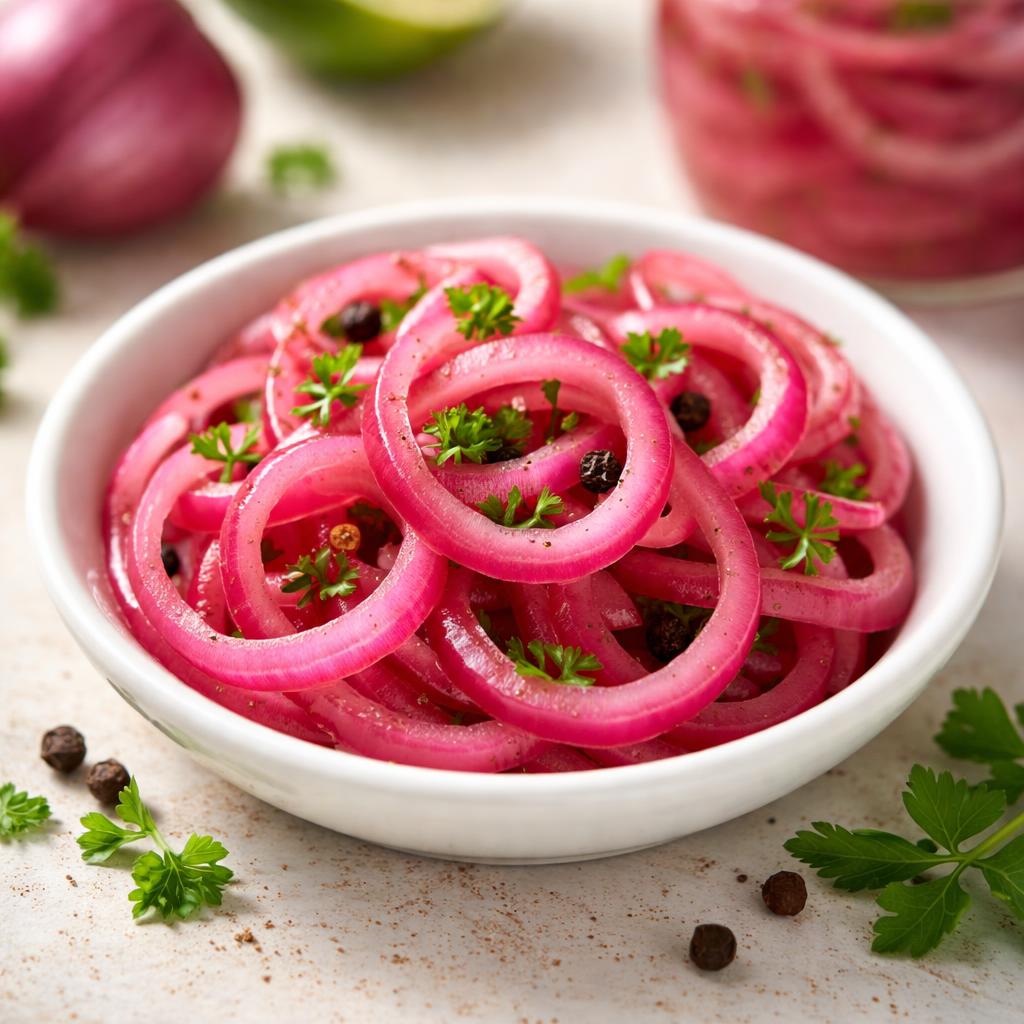
Pickled Onions
🎯 Quick Verdict
Eggs are nutrient-dense, offering high protein and essential vitamins such as B12 and vitamin D, making them ideal for muscle-building and energy. Pickled onions are ultra-low-calorie and provide antioxidants, as well as moderate fiber, which supports digestion. Choose eggs for a protein boost and pickled onions for light snacking and gut health support.

Smart Nutrition Tracking with SnapCalorie

📊 Nutritional Comparison
Macronutrients
| Nutrient | Food 1 | Food 2 | Winner |
|---|---|---|---|
| Calories | 70 | 25 | ✓ |
| Protein | 6g | 0.2g | ✓ |
| Carbs | 0.6g | 5g | ✓ |
| Fat | 5g | 0g | ✓ |
| Fiber | 0g | 1.5g | ✓ |
Vitamins & Minerals
| Nutrient | Food 1 | Food 2 | Winner |
|---|---|---|---|
| Vitamin D | 1mcg | 0mcg | ✓ |
| Calcium | 25mg | 8mg | ✓ |
| Iron | 0.9mg | 0.2mg | ✓ |
| Vitamin C | 0mg | 4mg | ✓ |
🏆 Category Winners
Protein
Eggs provide 30 times more protein per serving than pickled onions.
Fiber
Pickled onions offer 1.5g of fiber compared to eggs, which have none.
Calories
Pickled onions are lower in calories, with only 25 calories per serving vs 70 for one egg.
Vitamins
Eggs are rich in Vitamin D and offer more calcium and iron compared to pickled onions.
🥗 Diet Compatibility
Keto
Food 1: Compatible
Food 2: Compatible
Both foods are low in carbs.
Vegan
Food 1: Not Compatible
Food 2: Compatible
Eggs are animal-based, while pickled onions are plant-based.
Gluten Free
Food 1: Compatible
Food 2: Compatible
Neither contains gluten, making both suitable for gluten-free diets.
Paleo
Food 1: Compatible
Food 2: Compatible
Eggs and pickled onions conform to paleo principles.
Low-Carb
Food 1: Compatible
Food 2: Compatible
Both are low-carb options, with eggs being particularly low (0.6g/carbs per serving).
💪 Health Benefits Comparison
Food 1 Benefits
- High-quality protein supports muscle growth and repair
- Rich in choline for brain health and metabolism
- Good source of Vitamin D for bone health
- Contains antioxidants such as lutein and zeaxanthin for eye health
Food 2 Benefits
- Rich in probiotics from fermentation, beneficial for gut health
- Packed with antioxidants that help fight free radicals
- Low calories and high fiber support digestion and weight management
- Contains Vitamin C, which promotes immunity
✅ The Bottom Line
Eggs are an excellent choice for high protein, muscle-building diets, and energy. Pickled onions, on the other hand, are a low-calorie, fiber-rich food perfect for gut health and light snacking. Consider eggs for substantial meals and pickled onions as a flavorful garnish or digestive aid.
Choose Food 1 for: High-protein diets, muscle-building, breakfast or post-workout meals
Choose Food 2 for: Low-calorie snacks, adding flavor to meals, promoting gut health


