Egg VS Pasta
A detailed nutritional comparison

Egg
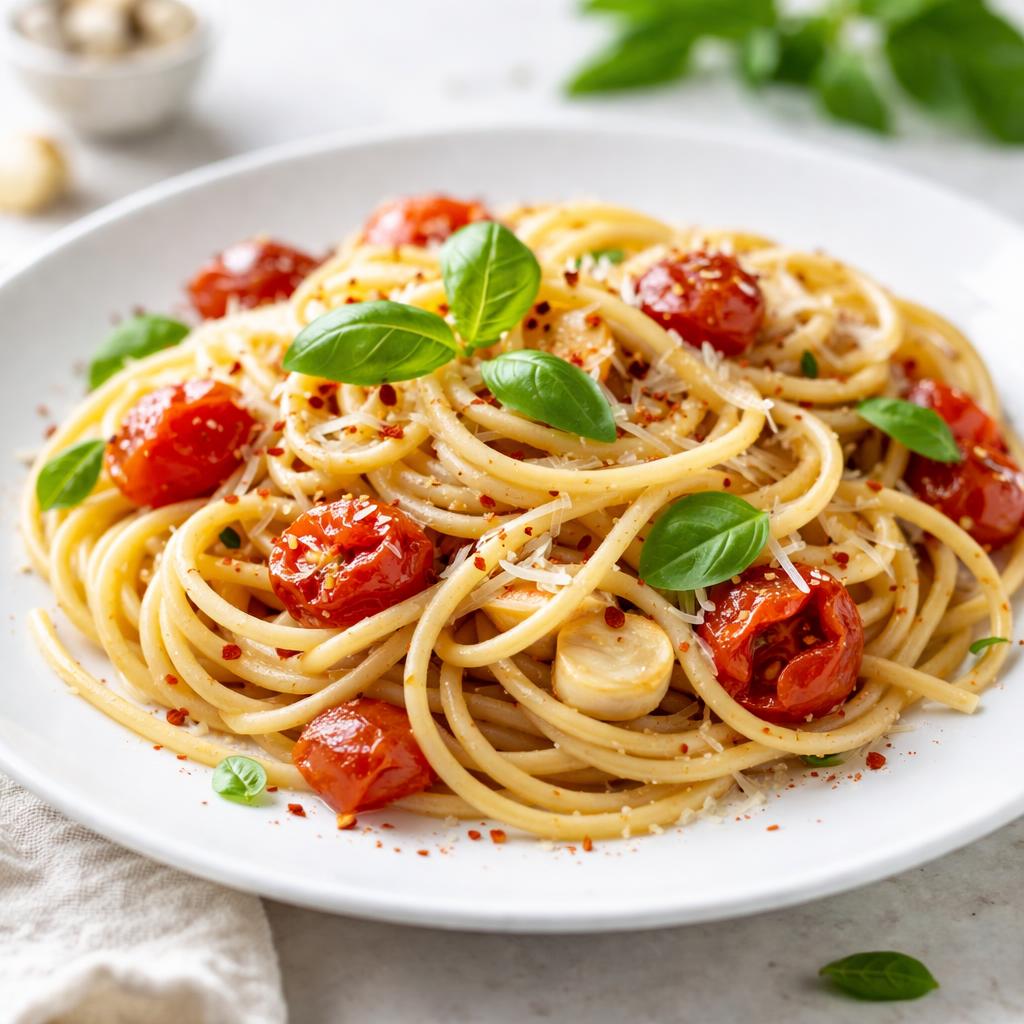
Pasta
🎯 Quick Verdict
Eggs are nutritionally dense with high protein and lower calories, making them excellent for weight loss and muscle building. Pasta is higher in carbohydrates and fiber, ideal for sustained energy and digestive health. Choose based on your dietary goals—eggs for protein and low-carb needs, pasta for fiber and energy-rich meals.

Smart Nutrition Tracking with SnapCalorie

📊 Nutritional Comparison
Macronutrients
| Nutrient | Food 1 | Food 2 | Winner |
|---|---|---|---|
| Calories | 70 | 200 | ✓ |
| Protein | 6g | 7g (per 100g pasta) | ✓ |
| Carbs | 0.6g | 41g | ✓ |
| Fat | 5g | 1g | ✓ |
| Fiber | 0g | 2.5g | ✓ |
Vitamins & Minerals
| Nutrient | Food 1 | Food 2 | Winner |
|---|---|---|---|
| Vitamin D | 1mcg | 0mcg | ✓ |
| Calcium | 25mg | 20mg | ✓ |
| Iron | 0.9mg | 1.1mg | ✓ |
🏆 Category Winners
Protein
Eggs provide high-quality protein with all essential amino acids.
Fiber
Pasta is a better source of dietary fiber (2.5g vs 0g).
Calories
Eggs contain about 65% fewer calories per serving.
Vitamins
Eggs are richer in Vitamin D, calcium, and selenium compared to pasta.
🥗 Diet Compatibility
Keto
Food 1: Compatible
Food 2: Not Compatible
Eggs are low-carb (0.6g), whereas pasta is high-carb.
Vegan
Food 1: Not Compatible
Food 2: Compatible
Eggs are animal-derived, while pasta can be plant-based.
Gluten Free
Food 1: Compatible
Food 2: Not Compatible
Many pasta varieties contain gluten, eggs do not.
Paleo
Food 1: Compatible
Food 2: Not Compatible
Eggs fit the paleo diet, pasta generally does not unless paleo alternatives are used.
Low Carb
Food 1: Compatible
Food 2: Not Compatible
Eggs are a low-carb food option (0.6g carbs), while pasta is carb-heavy.
💪 Health Benefits Comparison
Food 1 Benefits
- Excellent source of high-quality protein for muscle growth and repair
- Rich in choline, supporting brain health and metabolism
- Contains Vitamin D for bone health and immune function
- Low in calories, aiding weight management
Food 2 Benefits
- Provides sustained energy due to its high carbohydrate content
- Rich in fiber for improved digestion and gut health
- Contains iron, supporting red blood cell production
- Often fortified with B-vitamins, promoting cellular health
✅ The Bottom Line
Eggs and pasta cater to different dietary needs. Choose eggs for high-quality protein, weight loss, and low-carb diets. Pasta is better for athletes, those seeking sustained energy, and fiber-rich meals. Consider your goals and dietary restrictions when choosing between these two nutrient-rich foods.
Choose Food 1 for: Weight loss, high-protein diets, keto, paleo, muscle recovery
Choose Food 2 for: Endurance activities, high-energy meals, vegan or vegetarian diets, digestive health


