Egg VS Pancake
A detailed nutritional comparison
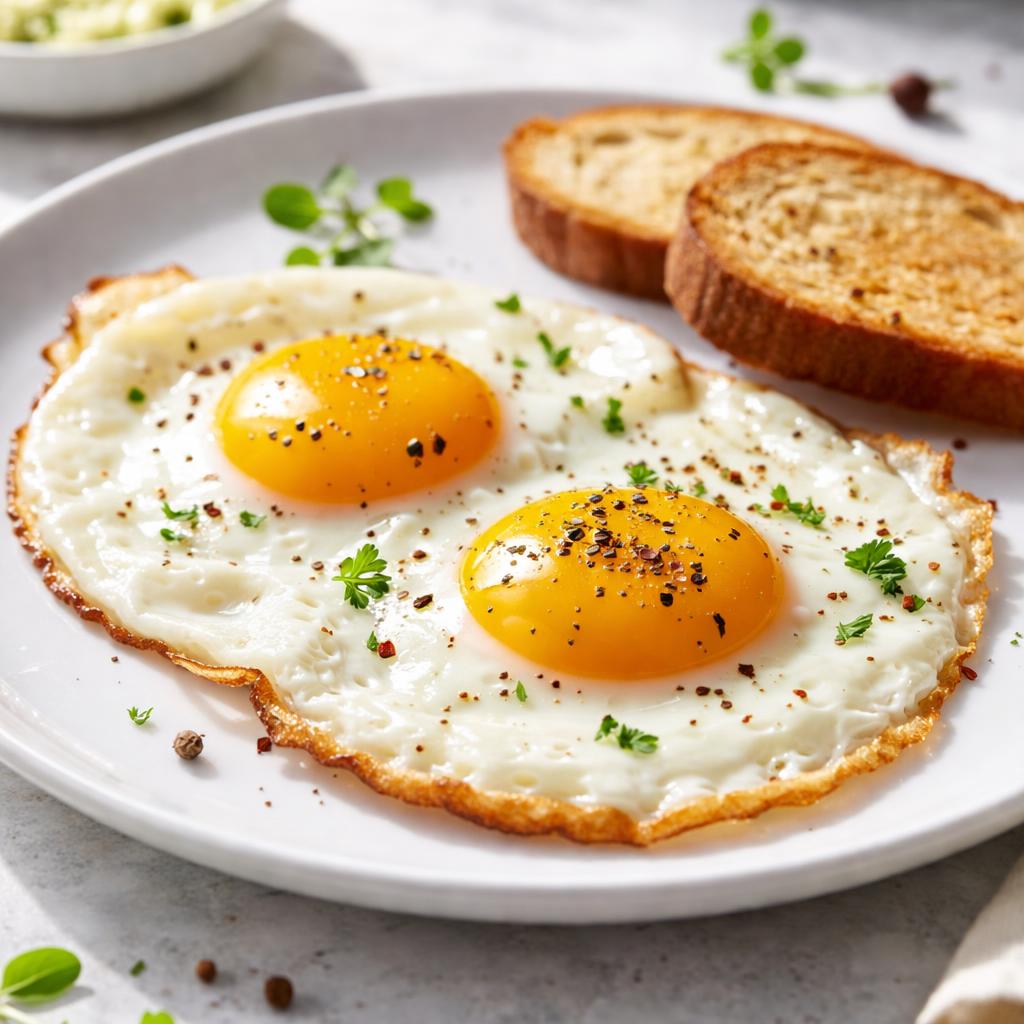
Egg
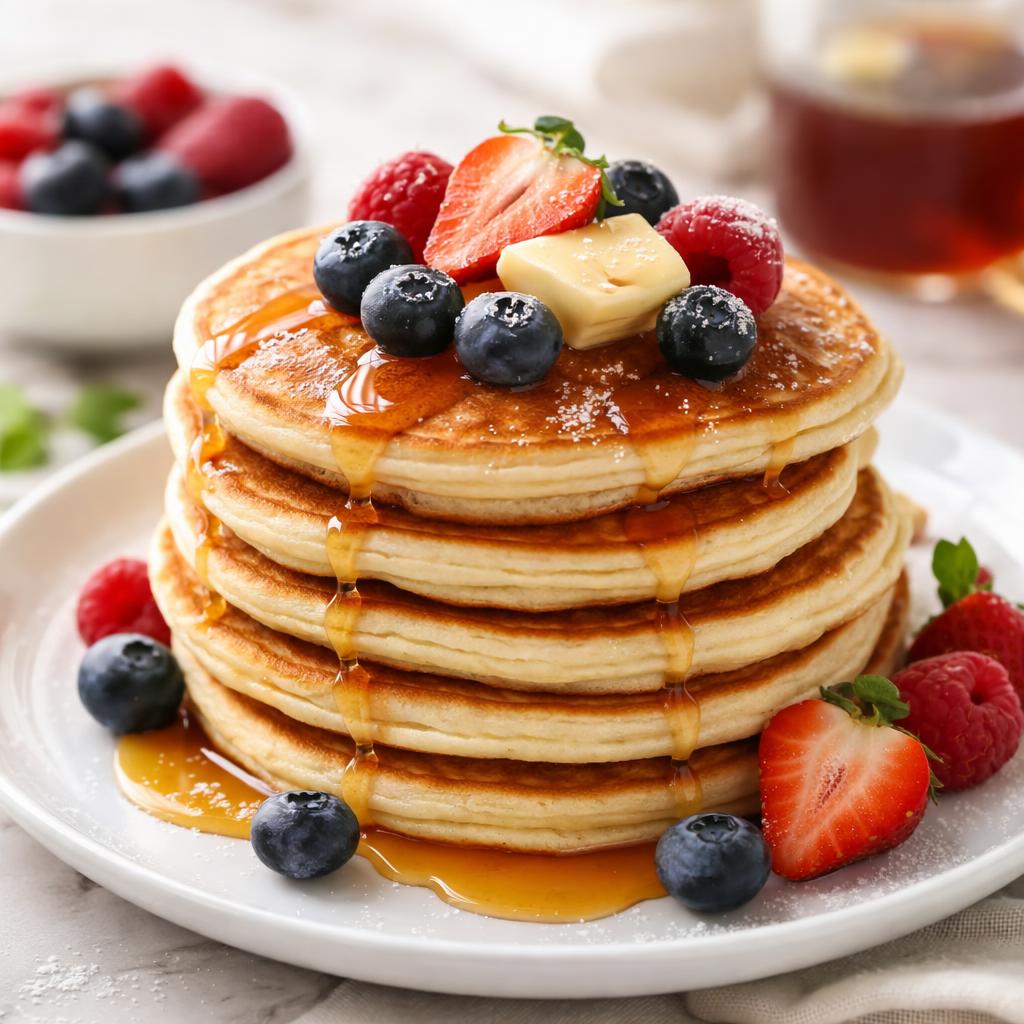
Pancake
🎯 Quick Verdict
Eggs are nutritionally dense with lower calories, higher protein, and essential vitamins like B12 and vitamin D, making them ideal for muscle-building and weight maintenance. Pancakes, on the other hand, are higher in carbohydrates and provide more fiber, making them better suited for quick energy and pairing with toppings for a well-rounded meal.

Smart Nutrition Tracking with SnapCalorie

📊 Nutritional Comparison
Macronutrients
| Nutrient | Food 1 | Food 2 | Winner |
|---|---|---|---|
| Calories | 70 | 227 | ✓ |
| Protein | 6g | 4g | ✓ |
| Carbs | 0.6g | 38g | ✓ |
| Fat | 5g | 4g | ✓ |
| Fiber | 0g | 1g | ✓ |
Vitamins & Minerals
| Nutrient | Food 1 | Food 2 | Winner |
|---|---|---|---|
| Vitamin D | 1.6mcg | 0.1mcg | ✓ |
| Vitamin B12 | 0.6mcg | 0mcg | ✓ |
| Iron | 0.88mg | 1.94mg | ✓ |
🏆 Category Winners
Protein
Eggs offer 50% more protein, ideal for muscle-building and recovery.
Fiber
Pancakes contain 1g of fiber per serving, while eggs provide none.
Calories
An egg has significantly fewer calories compared to a pancake.
🥗 Diet Compatibility
Keto
Food 1: Compatible
Food 2: Not Compatible
Eggs are low-carb, while pancakes are high-carbohydrate.
Vegan
Food 1: Not Compatible
Food 2: Compatible
Eggs are animal-based, but pancakes can be made vegan-friendly.
Gluten Free
Food 1: Compatible
Food 2: Not Compatible
Eggs are naturally gluten-free, while pancakes typically contain wheat flour.
Paleo
Food 1: Compatible
Food 2: Not Compatible
Eggs meet paleo guidelines, but pancakes require processed ingredients.
Low-Carb
Food 1: Compatible
Food 2: Not Compatible
Eggs are low-carb, while pancakes are high in carbohydrates.
💪 Health Benefits Comparison
Food 1 Benefits
- Rich in high-quality protein for muscle growth
- Supports brain health with choline
- Provides essential vitamins like B12 and D
- Promotes eye health with lutein and zeaxanthin
Food 2 Benefits
- Good source of energy from carbohydrates
- Provides fiber for digestion
- Can be fortified with nutrients when made from whole-grain flour
- Pairs well with fruits for added vitamins and minerals
✅ The Bottom Line
Choose eggs for a low-calorie, high-protein option that supports muscle growth and overall health. Opt for pancakes if you need quick energy or enjoy pairing them with toppings for a more balanced meal.
Choose Food 1 for: Low-calorie diets, high-protein needs, keto and paleo lifestyles
Choose Food 2 for: Carbohydrate-rich diets, post-exercise energy, family meals with toppings


