Egg VS Ham
A detailed nutritional comparison

Egg
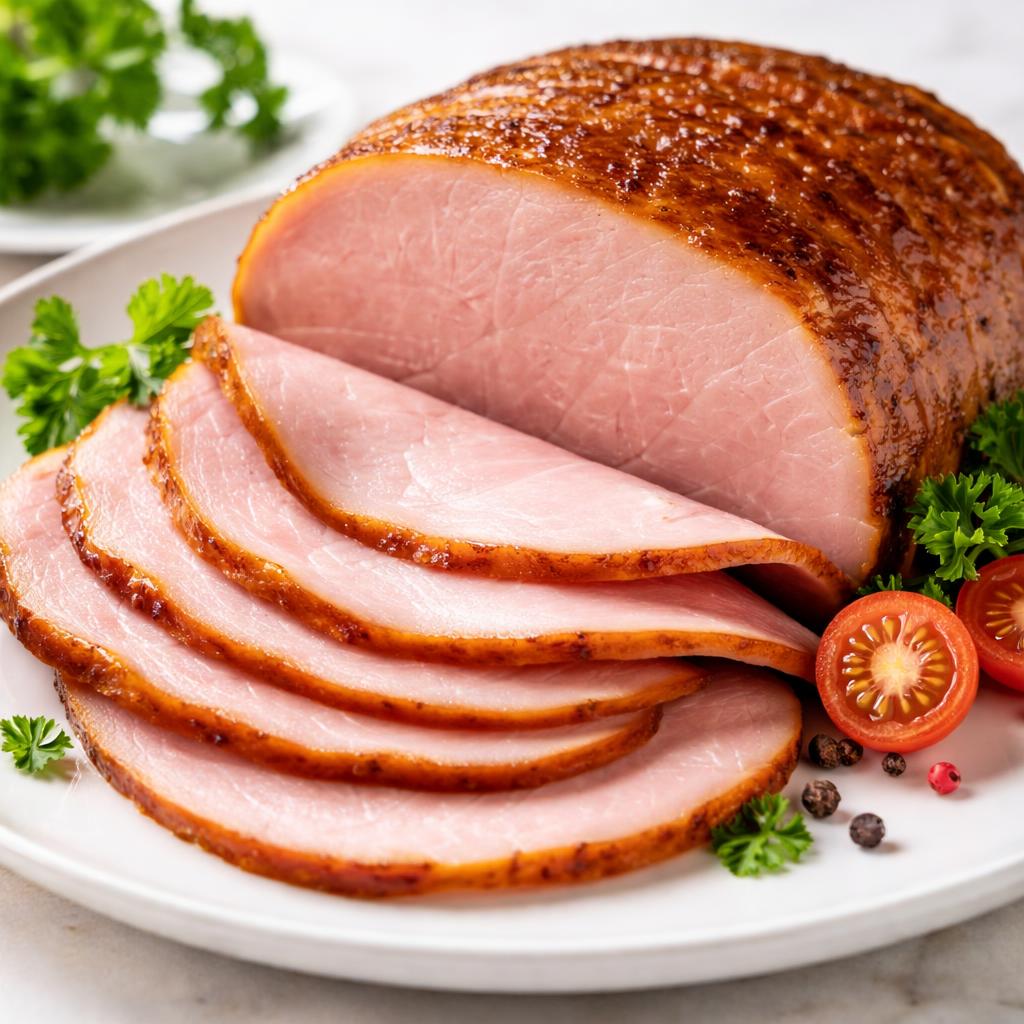
Ham
🎯 Quick Verdict
Eggs and ham are both high-protein options, but they differ in calories and fat content. Eggs are lower in calories and offer healthy fats, while ham has slightly higher sodium and fat levels. Eggs are versatile for both weight loss and muscle recovery, while ham works best as a flavorful protein for indulgent meals or snacks.

Smart Nutrition Tracking with SnapCalorie

📊 Nutritional Comparison
Macronutrients
| Nutrient | Food 1 | Food 2 | Winner |
|---|---|---|---|
| Calories | 68 | 140 | ✓ |
| Protein | 6g | 7g | − |
| Carbs | 0.4g | 2g | ✓ |
| Fat | 4.8g | 10g | ✓ |
| Fiber | 0g | 0g | − |
Vitamins & Minerals
| Nutrient | Food 1 | Food 2 | Winner |
|---|---|---|---|
| Vitamin D | 1.1mcg | 0mcg | ✓ |
| Calcium | 25mg | 6mg | ✓ |
| Iron | 0.8mg | 0.5mg | ✓ |
🏆 Category Winners
Protein
Both foods provide comparable protein amounts per serving.
Fiber
Neither food contains dietary fiber.
Calories
Eggs have fewer calories, making them more weight-loss friendly.
Vitamins
Eggs contain more Vitamin D, calcium, and iron than ham.
🥗 Diet Compatibility
Keto
Food 1: Compatible
Food 2: Compatible
Both foods are high-protein and low-carb.
Vegan
Food 1: Not Compatible
Food 2: Not Compatible
Both are derived from animal products.
Gluten Free
Food 1: Compatible
Food 2: Compatible
Neither food contains gluten.
Paleo
Food 1: Compatible
Food 2: Compatible
Both align with paleo diet principles, avoiding processed carbs.
Low Carb
Food 1: Compatible
Food 2: Compatible
Both foods are low in carbohydrates.
💪 Health Benefits Comparison
Food 1 Benefits
- Rich in protein for muscle recovery and maintenance
- Contains healthy fats like omega-3s that support heart and brain health
- Good source of Vitamin D for bone health
Food 2 Benefits
- High in protein for satiety and muscle repair
- Provides a flavorful source of energy
- Contains iron and B vitamins for energy metabolism
✅ The Bottom Line
Eggs are ideal for a nutrient-dense, lower-calorie option that supports weight loss and muscle recovery. Ham is slightly higher in calories and fat, making it better for indulgent meals or quick post-workout protein. Eggs are great for any meal, while ham works well as a snack or flavorful ingredient to enhance dishes.
Choose Food 1 for: Weight loss, high-protein diets, versatile meal options
Choose Food 2 for: Quick protein fix, indulgent meals, savory dishes


