Egg VS Greens
A detailed nutritional comparison

Egg
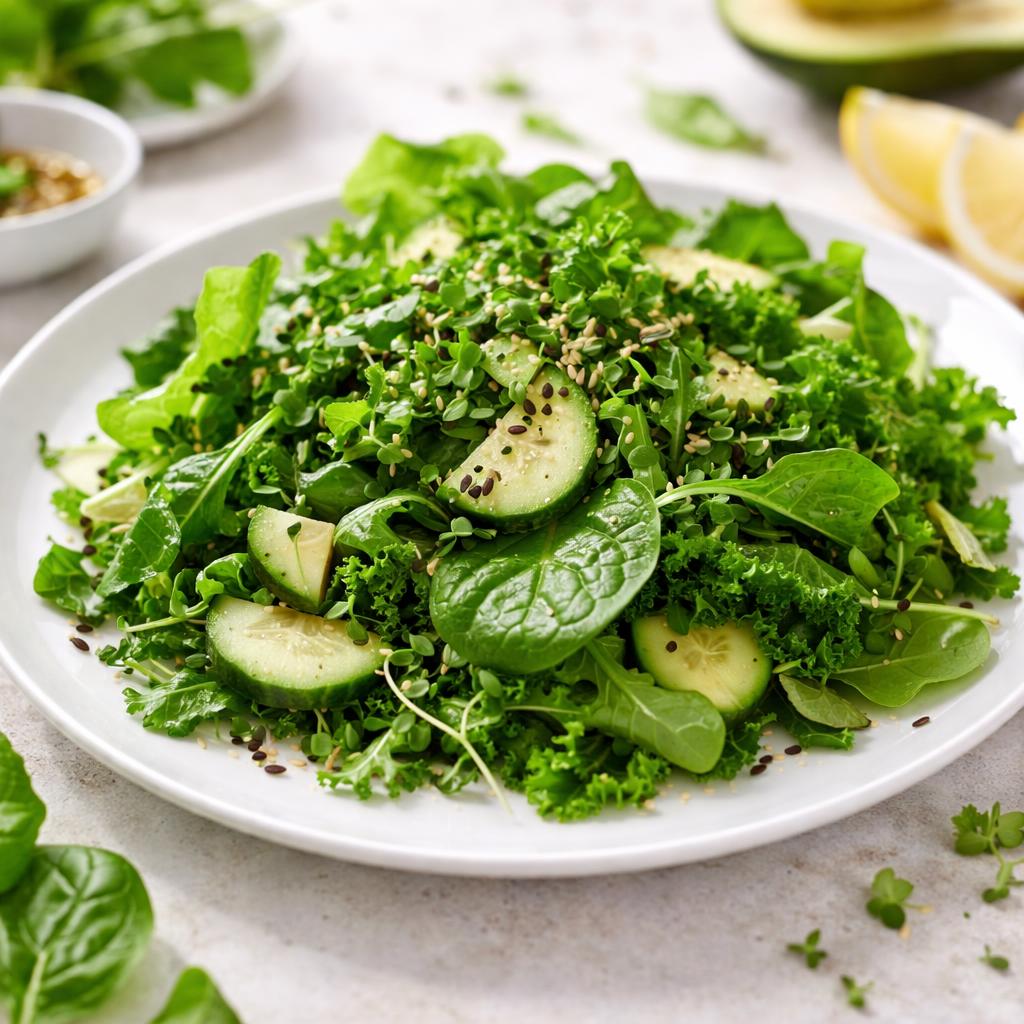
Greens
🎯 Quick Verdict
Eggs and greens each offer distinct nutritional benefits. Eggs are significantly higher in protein and provide important vitamins such as Vitamin D, whereas greens are lower in calories and rich in fiber, Vitamin K, and other antioxidants. Choose eggs for strength-building and greens for healthier digestion and overall wellness support.

Smart Nutrition Tracking with SnapCalorie

📊 Nutritional Comparison
Macronutrients
| Nutrient | Food 1 | Food 2 | Winner |
|---|---|---|---|
| Calories | 72 | 25 | ✓ |
| Protein | 6g | 2g | ✓ |
| Carbs | 0.6g | 5g | ✓ |
| Fat | 5g | 0g | ✓ |
| Fiber | 0g | 2g | ✓ |
Vitamins & Minerals
| Nutrient | Food 1 | Food 2 | Winner |
|---|---|---|---|
| Vitamin D | 1.1mcg | 0mcg | ✓ |
| Vitamin A | 80mcg | 292mcg | ✓ |
| Calcium | 25mg | 100mg | ✓ |
| Iron | 0.9mg | 2.7mg | ✓ |
| Vitamin K | 0.1mcg | 130mcg | ✓ |
🏆 Category Winners
Protein
Eggs provide 3x more protein per serving than greens.
Fiber
Greens contain 2g of fiber, while eggs have none.
Calories
Greens are significantly lower in calories, making them a lighter choice.
Vitamins
Greens offer higher levels of Vitamin K, Vitamin A, Calcium, and Iron.
🥗 Diet Compatibility
Keto
Food 1: Compatible
Food 2: Compatible
Both foods are low in carbs and fit keto diets.
Vegan
Food 1: Not Compatible
Food 2: Compatible
Eggs are an animal product, while greens are plant-based.
Gluten Free
Food 1: Compatible
Food 2: Compatible
Neither food contains gluten.
Paleo
Food 1: Compatible
Food 2: Compatible
Both foods fit within paleo guidelines as whole, natural foods.
Low Carb
Food 1: Compatible
Food 2: Compatible
Eggs are inherently low-carb, and greens only contain 5g of carbs per serving.
💪 Health Benefits Comparison
Food 1 Benefits
- High-quality protein for muscle repair and maintenance
- Good source of Vitamin D for bone health and immunity
- Rich in healthy fats for sustained energy
Food 2 Benefits
- Rich in fiber for improved digestion and gut health
- Abundant in Vitamin K for blood clotting and bone health
- Loaded with antioxidants like Vitamin A for eye health
✅ The Bottom Line
Eggs are ideal for protein-packed meals and post-workout nutrition, while greens excel as a low-calorie, fiber-rich option loaded with micronutrients. Together, they complement each other in a balanced diet.
Choose Food 1 for: Protein-building, muscle repair, post-workout recovery
Choose Food 2 for: Fiber intake, nutrient density, digestion improvement


