Egg VS Fried Noodles
A detailed nutritional comparison
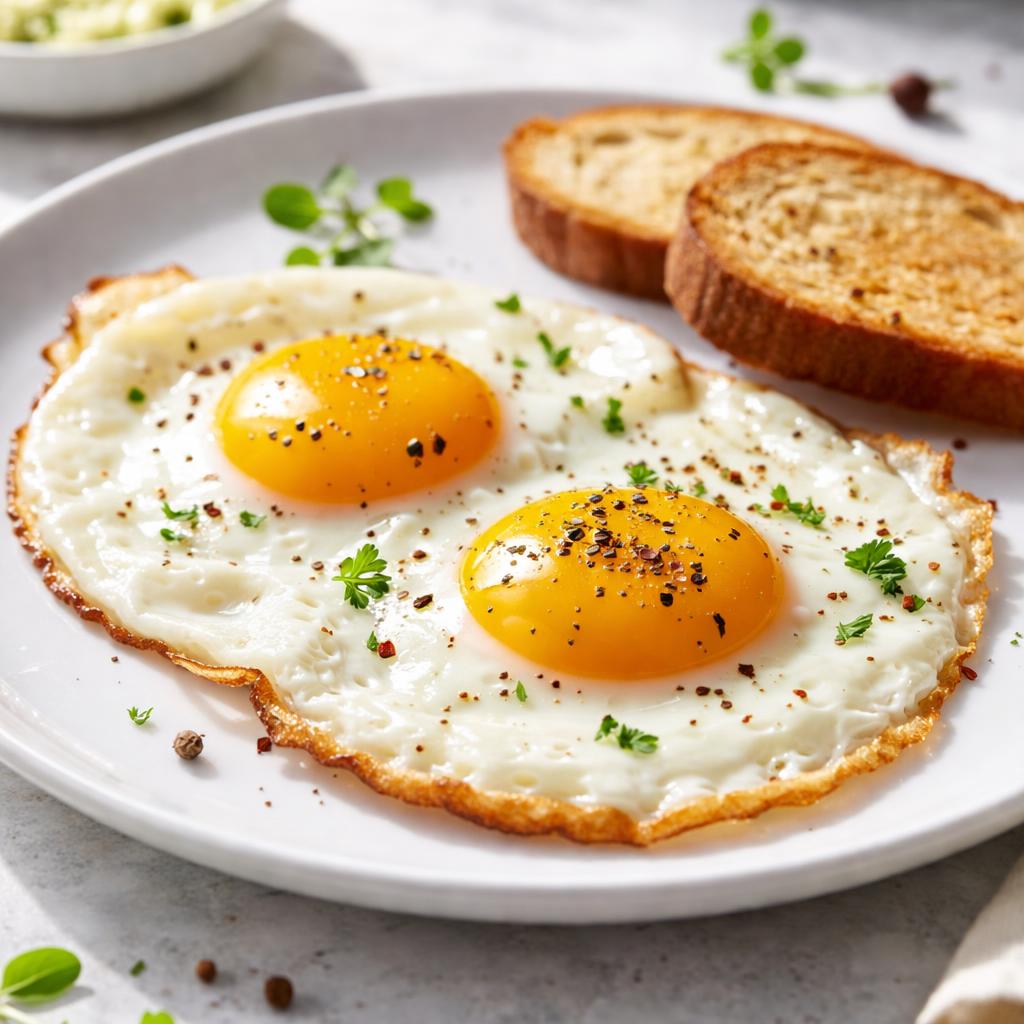
Egg
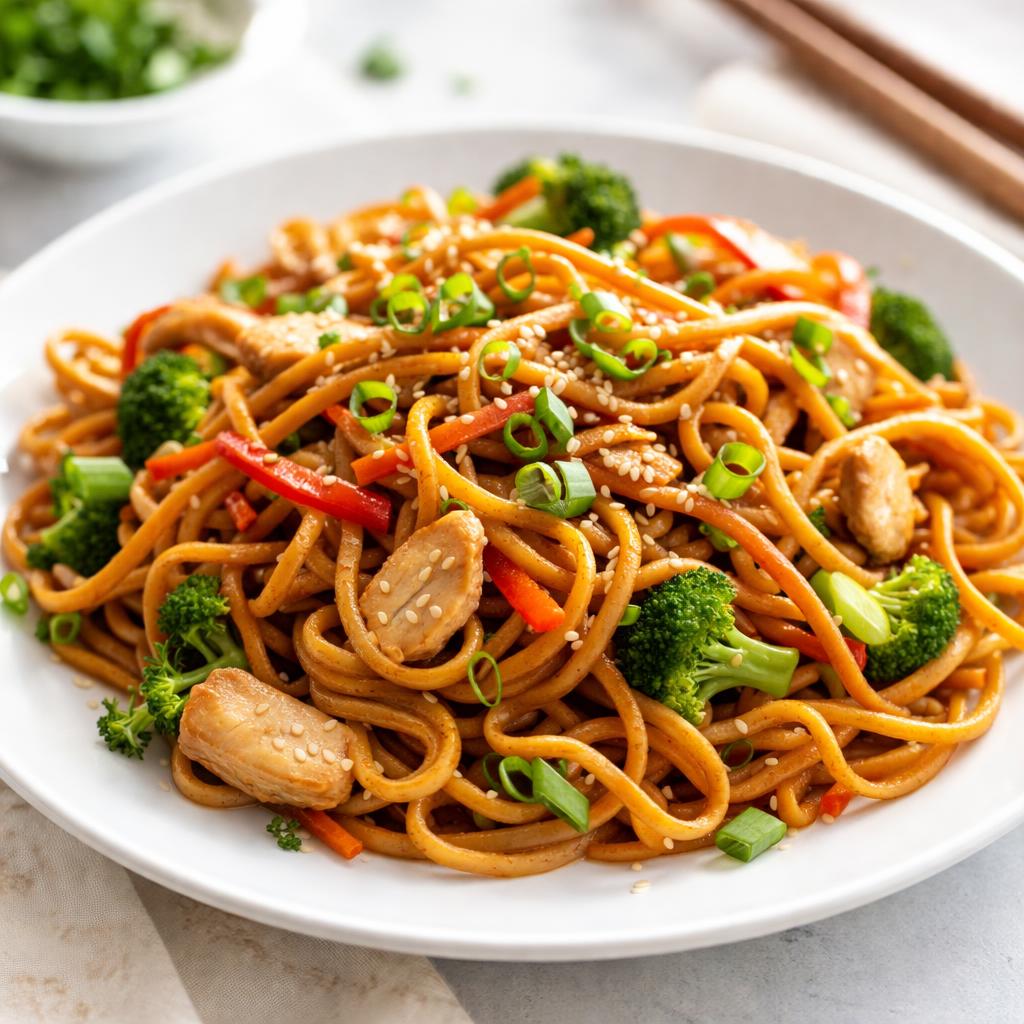
Fried Noodles
🎯 Quick Verdict
Eggs are a high-protein, nutrient-dense option suitable for low-carb and keto diets, offering essential vitamins like B12 and D. Fried noodles, while higher in fiber and providing more sustained energy, are carb-heavy and calorie-dense, making them less ideal for weight loss-focused diets but better for cravings or energy needs during physical activity.

Smart Nutrition Tracking with SnapCalorie

📊 Nutritional Comparison
Macronutrients
| Nutrient | Food 1 | Food 2 | Winner |
|---|---|---|---|
| Calories | 70 | 275 | ✓ |
| Protein | 6g | 8g | ✓ |
| Carbs | 0.6g | 38g | ✓ |
| Fat | 5g | 10g | ✓ |
| Fiber | 0g | 2g | ✓ |
Vitamins & Minerals
| Nutrient | Food 1 | Food 2 | Winner |
|---|---|---|---|
| Vitamin D | 1.1mcg | 0mcg | ✓ |
| Vitamin B12 | 0.6mcg | 0mcg | ✓ |
| Iron | 0.9mg | 1.8mg | ✓ |
| Calcium | 25mg | 20mg | ✓ |
🏆 Category Winners
Protein
Eggs provide 6g protein with fewer calories than fried noodles.
Fiber
Fried noodles contain 2g fiber compared to none in eggs.
Calories
Eggs are significantly lower in calories (70 vs. 275).
Vitamins
Eggs are rich in vitamin D and B12, which fried noodles lack.
🥗 Diet Compatibility
Keto
Food 1: Compatible
Food 2: Not Compatible
Eggs are low-carb, making them ideal for keto.
Vegan
Food 1: Not Compatible
Food 2: Compatible
Eggs are an animal product, while fried noodles are plant-based.
Gluten Free
Food 1: Compatible
Food 2: Not Compatible
Fried noodles often contain gluten from wheat, while eggs are naturally gluten-free.
Paleo
Food 1: Compatible
Food 2: Not Compatible
Eggs fit paleo diets, whereas processed noodles do not.
Low Carb
Food 1: Compatible
Food 2: Not Compatible
Eggs have almost no carbs, making them ideal for low-carb diets.
💪 Health Benefits Comparison
Food 1 Benefits
- High in protein to support muscle repair and maintenance
- Rich in vitamin D for bone health and immune system support
- Contains choline, which supports brain health and nerve function
Food 2 Benefits
- Provides sustained energy due to carbohydrate content
- Contains iron to support oxygen transport in the body
- High in fats, which can help regulate hunger and provide energy for prolonged activities
✅ The Bottom Line
Eggs are a better choice for weight management, muscle building, and nutrient density, especially in low-carb or keto-based diets. Fried noodles, on the other hand, are better suited as a higher-energy food option for active individuals or those craving a carb-rich meal.
Choose Food 1 for: Weight loss, muscle building, low-carb diets, nutrient-rich snacks
Choose Food 2 for: High-energy meals, post-activity recovery, satisfying carb-rich cravings


