Egg VS French Toast
A detailed nutritional comparison
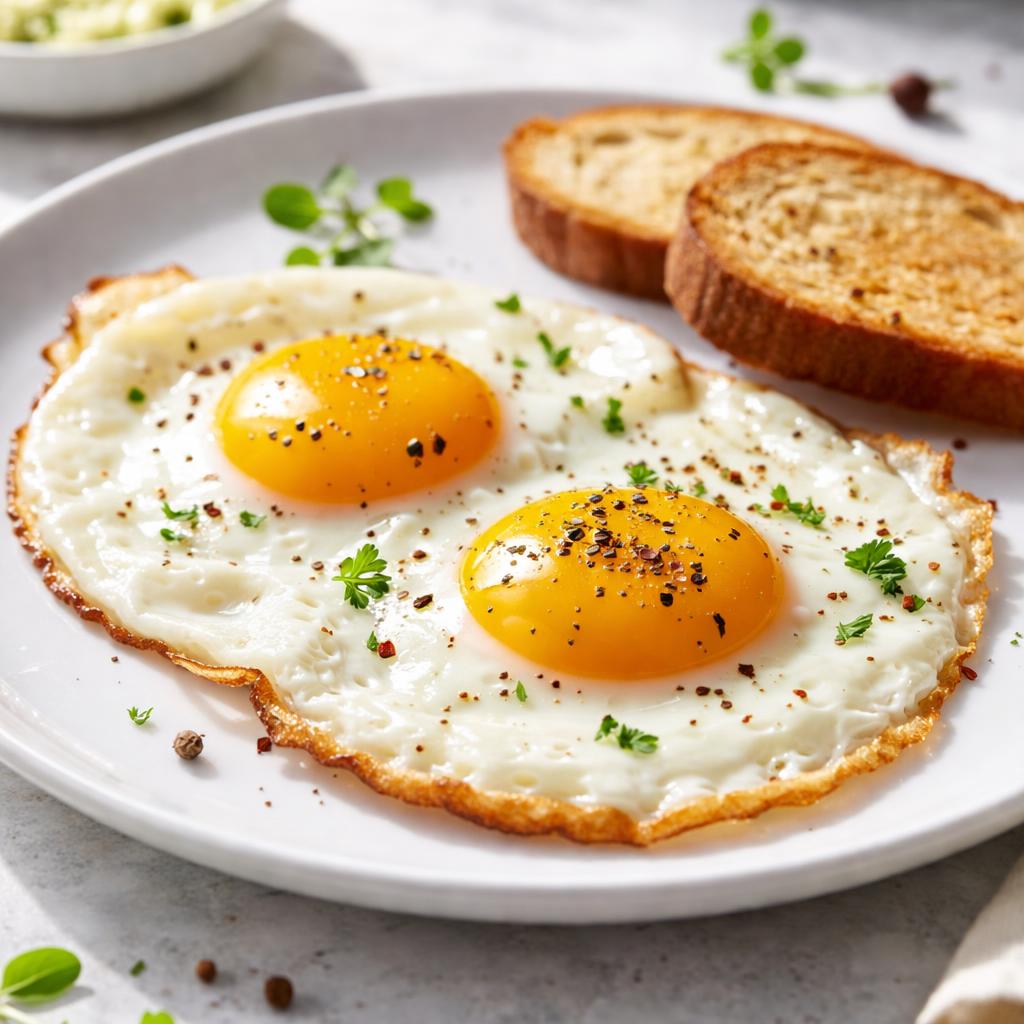
Egg
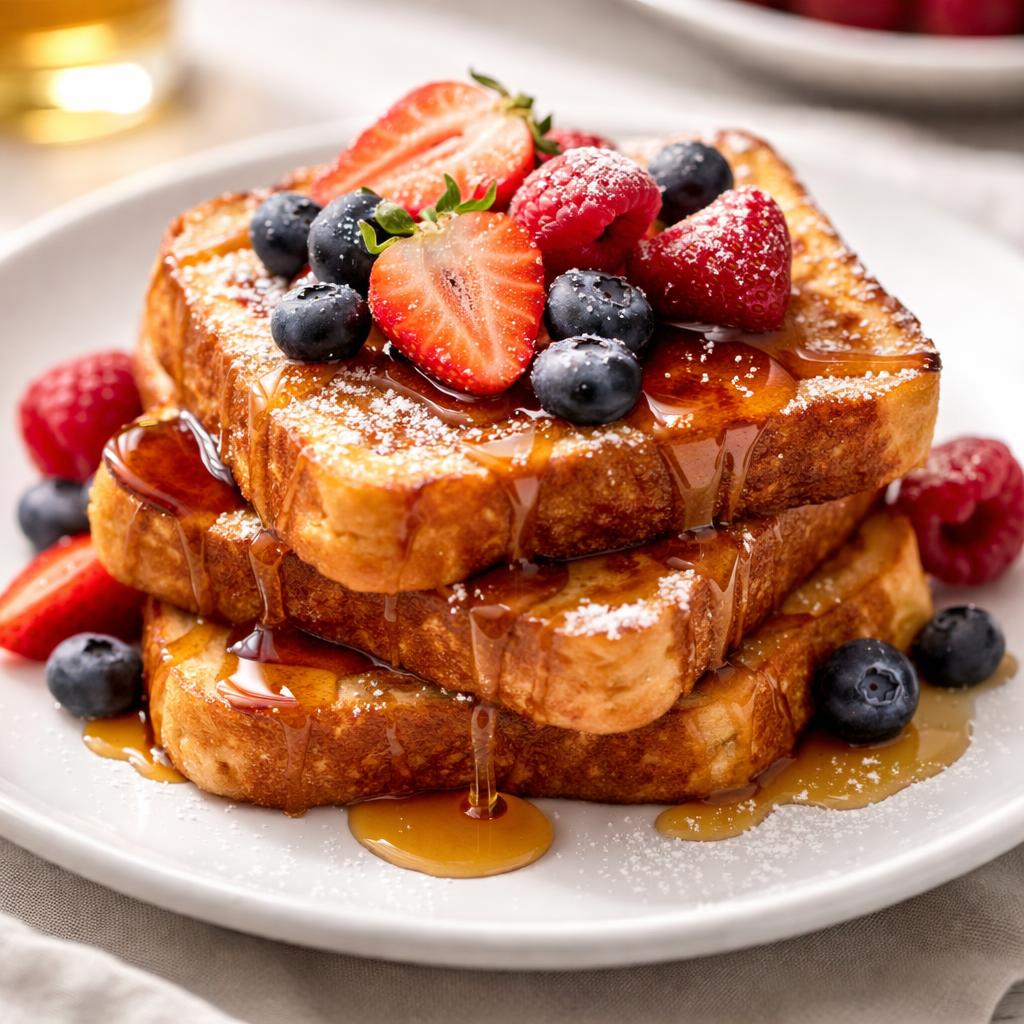
French Toast
🎯 Quick Verdict
Eggs are significantly higher in protein, lower in calories, and ideal for low-carb or ketogenic diets, while French toast provides more carbohydrates and fiber, making it better suited for energy-focused or balanced diets. Both foods can be customized to suit various meal needs, depending on the dietary preferences and calorie goals.

Smart Nutrition Tracking with SnapCalorie

📊 Nutritional Comparison
Macronutrients
| Nutrient | Food 1 | Food 2 | Winner |
|---|---|---|---|
| Calories | 68 (1 large egg) | 220 (1 slice French toast) | ✓ |
| Protein | 6g | 6g | − |
| Carbs | 0.6g | 30g | ✓ |
| Fat | 5g | 6g | ✓ |
| Fiber | 0g | 2g | ✓ |
Vitamins & Minerals
| Nutrient | Food 1 | Food 2 | Winner |
|---|---|---|---|
| Vitamin D | 1.1mcg | 0.1mcg | ✓ |
| Calcium | 25mg | 50mg | ✓ |
| Iron | 0.9mg | 1.2mg | ✓ |
🏆 Category Winners
Protein
Both foods are equal in protein per serving.
Fiber
French toast contains 2g of dietary fiber, while eggs contain none.
Calories
Eggs have significantly fewer calories (68 vs 220).
🥗 Diet Compatibility
Keto
Food 1: Compatible
Food 2: Not Compatible
Eggs are naturally low-carb, while French toast is high in carbs due to bread.
Vegan
Food 1: Not Compatible
Food 2: Not Compatible
Eggs are animal-based, and traditional French toast contains eggs and milk.
Gluten Free
Food 1: Compatible
Food 2: Not Compatible
Eggs are naturally gluten-free, but standard French toast contains gluten from bread.
Paleo
Food 1: Compatible
Food 2: Not Compatible
Eggs align with paleo diets, while French toast contains processed bread.
Low Carb
Food 1: Compatible
Food 2: Not Compatible
Eggs are low-carb (<1g per serving), while French toast has 30g of carbs per slice.
💪 Health Benefits Comparison
Food 1 Benefits
- High-quality protein for muscle maintenance and repair
- Rich in Vitamin D for bone health
- Contains healthy fats for brain function
Food 2 Benefits
- Provides energy-rich carbohydrates for fuel
- Contains fiber for digestion and satiety
- Offers essential minerals like calcium and iron
✅ The Bottom Line
Eggs are a nutrient-dense, low-calorie, and versatile protein source, ideal for weight loss, muscle building, and low-carb diets. French toast, while higher in calories and carbs, offers fiber and minerals, making it better for active individuals seeking a balanced energy source or indulgent breakfast option.
Choose Food 1 for: Low-carb diets, weight loss, muscle building, heart health
Choose Food 2 for: Active lifestyles, breakfast indulgence, higher energy needs


