Egg VS Cooked Pasta
A detailed nutritional comparison

Egg
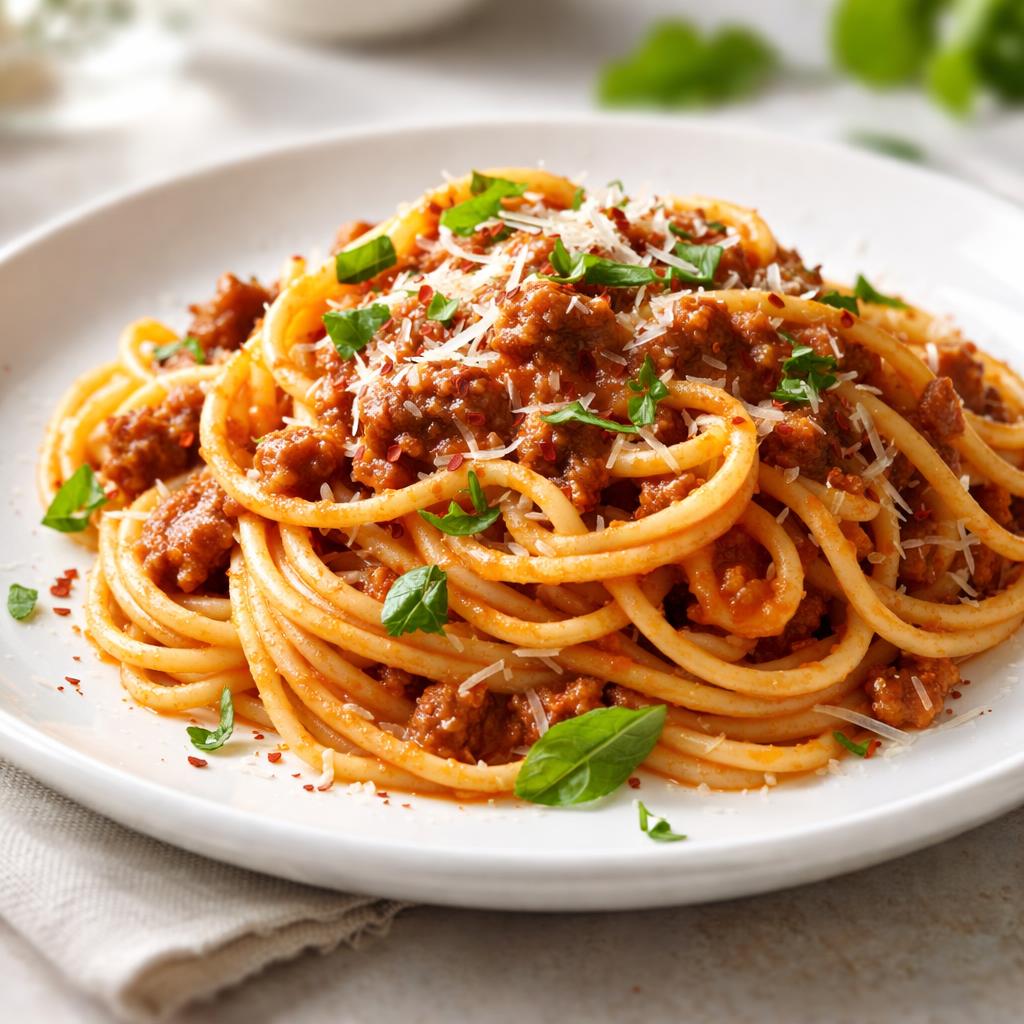
Cooked Pasta
🎯 Quick Verdict
Eggs are nutritionally denser than cooked pasta, providing significantly more protein, fewer calories, and essential vitamins like vitamin D and B12. Cooked pasta, on the other hand, is higher in carbohydrates and fiber, making it better for sustained energy and digestion. Eggs are ideal for low-carb and high-protein diets, while pasta suits carbohydrate-driven meal plans or active lifestyles needing energy refueling.

Smart Nutrition Tracking with SnapCalorie

📊 Nutritional Comparison
Macronutrients
| Nutrient | Food 1 | Food 2 | Winner |
|---|---|---|---|
| Calories | 70 | 131 | ✓ |
| Protein | 6g | 5g | ✓ |
| Carbs | 0.6g | 25g | ✓ |
| Fat | 5g | 0.5g | ✓ |
| Fiber | 0g | 1g | ✓ |
Vitamins & Minerals
| Nutrient | Food 1 | Food 2 | Winner |
|---|---|---|---|
| Vitamin D | 1.1mcg | 0mcg | ✓ |
| Vitamin B12 | 0.6mcg | 0mcg | ✓ |
| Iron | 1mg | 0.5mg | ✓ |
🏆 Category Winners
Protein
Food1 (egg) has slightly more protein per calorie than cooked pasta.
Fiber
Cooked pasta provides 1g of fiber whereas eggs have none.
Calories
Eggs contain almost half the calories of cooked pasta per serving.
Vitamins
Eggs provide key vitamins like D and B12, which cooked pasta lacks.
🥗 Diet Compatibility
Keto
Food 1: Compatible
Food 2: Not Compatible
Eggs are low-carb, while pasta is high-carb.
Vegan
Food 1: Not Compatible
Food 2: Compatible
Eggs are animal products, while pasta can be plant-based.
Gluten Free
Food 1: Compatible
Food 2: Not Compatible
Eggs are naturally gluten-free, whereas pasta typically contains gluten unless using a gluten-free variant.
Paleo
Food 1: Compatible
Food 2: Not Compatible
Eggs are paleo-friendly; pasta is not due to its grain content.
Low Carb
Food 1: Compatible
Food 2: Not Compatible
Eggs are virtually carb-free, whereas pasta is carb-dense.
💪 Health Benefits Comparison
Food 1 Benefits
- Rich source of high-quality protein for muscle repair and growth
- Provides vitamin D for bone health and immune support
- Contains choline, which supports brain function and metabolism
Food 2 Benefits
- Good energy source from complex carbohydrates
- Contains fiber for digestive health
- Provides small amounts of selenium, a mineral linked to antioxidant activity
✅ The Bottom Line
Eggs win as the better nutritional choice for low-carb, high-protein, and nutrient-dense diets, while pasta is a better option for energy-focused, carb-based meals. Both foods serve different roles in a balanced diet, depending on dietary priorities and activity levels.
Choose Food 1 for: Keto diets, muscle building, weight loss, nutrient density
Choose Food 2 for: Post-exercise energy refueling, vegetarian meal plans, digestive support


