Egg VS Chutney
A detailed nutritional comparison

Egg
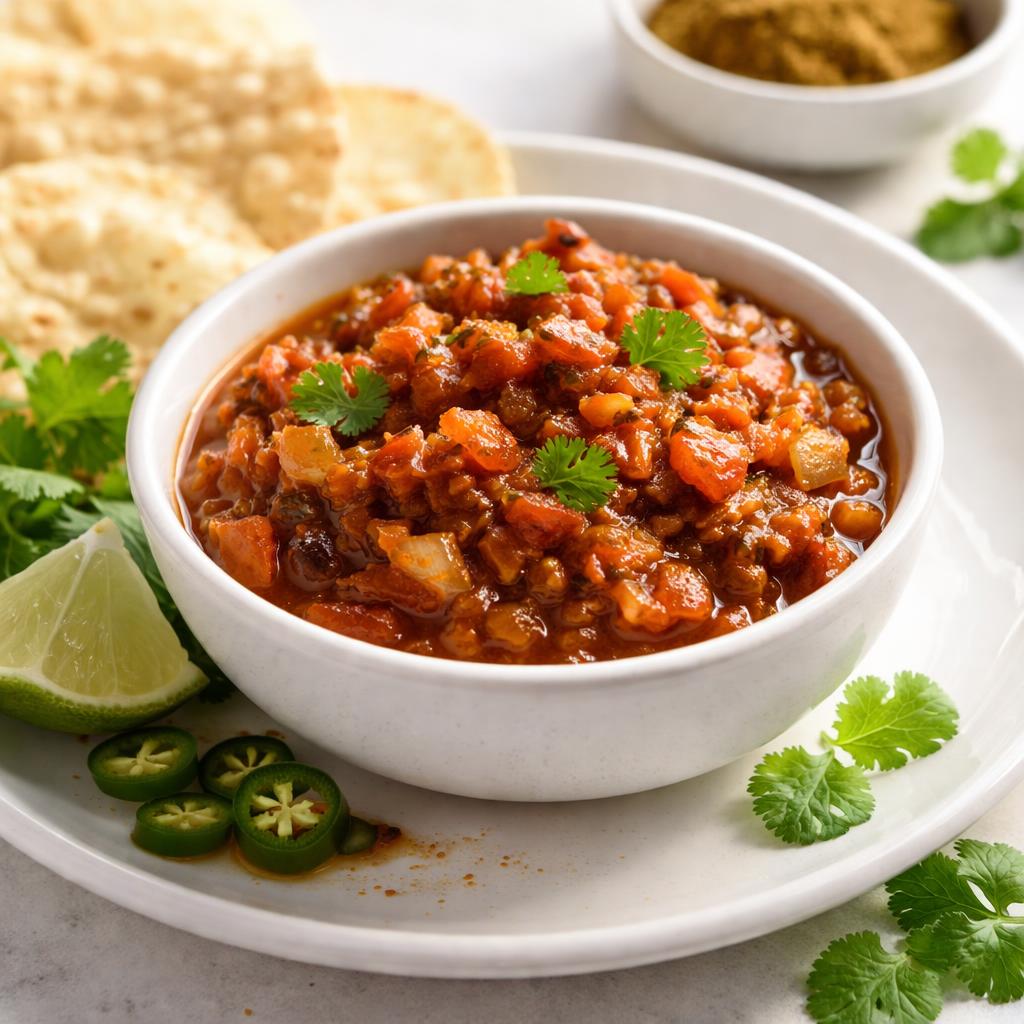
Chutney
🎯 Quick Verdict
Eggs are a high-protein, vitamin-rich food that is nutritionally dense with minimal calories, making them ideal for muscle maintenance and overall health. Chutney is low in protein and calories but is rich in fiber, flavor, antioxidants, and can complement meals as a nutrient-dense condiment or dip.

Smart Nutrition Tracking with SnapCalorie

📊 Nutritional Comparison
Macronutrients
| Nutrient | Food 1 | Food 2 | Winner |
|---|---|---|---|
| Calories | 70 | 30 | ✓ |
| Protein | 6g | 0.5g | ✓ |
| Carbs | 0.5g | 6g | ✓ |
| Fat | 5g | 1g | ✓ |
| Fiber | 0g | 2g | ✓ |
Vitamins & Minerals
| Nutrient | Food 1 | Food 2 | Winner |
|---|---|---|---|
| Vitamin D | 44 IU | 0 IU | ✓ |
| Vitamin A | 75mcg | 50mcg | ✓ |
| Iron | 1mg | 0.5mg | ✓ |
| Vitamin C | 0mg | 3mg | ✓ |
🏆 Category Winners
Protein
Eggs provide 12 times more protein compared to chutney.
Fiber
Chutney contains fiber, while eggs do not.
Calories
Chutney has fewer calories per serving.
Vitamins
Eggs are rich in vitamin D and iron, but chutney contributes vitamin C.
🥗 Diet Compatibility
Keto
Food 1: Compatible
Food 2: Not Compatible
Eggs are low in carbs, while chutney has moderate carbs (6g per serving).
Vegan
Food 1: Not Compatible
Food 2: Compatible
Eggs are animal-derived, while chutney is plant-based.
Gluten Free
Food 1: Compatible
Food 2: Compatible
Neither contains gluten inherently but check for additives in chutney.
Paleo
Food 1: Compatible
Food 2: Compatible
Both are naturally paleo-friendly when chutney has no refined sugars.
Low-Carb
Food 1: Compatible
Food 2: Not Compatible
Eggs are very low-carb (<1g per serving).
💪 Health Benefits Comparison
Food 1 Benefits
- Rich in high-quality protein, supporting muscle growth and repair
- Excellent source of vitamin D for bone and immune health
- Provides choline, promoting brain function
Food 2 Benefits
- High in fiber, aiding digestion
- Contains antioxidants for cellular protection
- Low in calories, making it a great addition for weight management
✅ The Bottom Line
Eggs are ideal for those seeking protein-rich, low-carb options, particularly for weight loss, muscle building, or keto diets. Chutney is best used as a flavorful addition to meals, providing fiber and antioxidants that complement its low calorie count.
Choose Food 1 for: Weight loss, muscle gain, keto, nutrient density
Choose Food 2 for: Flavor enhancement, digestion, low-calorie diets


