Egg VS Cheese Slices
A detailed nutritional comparison
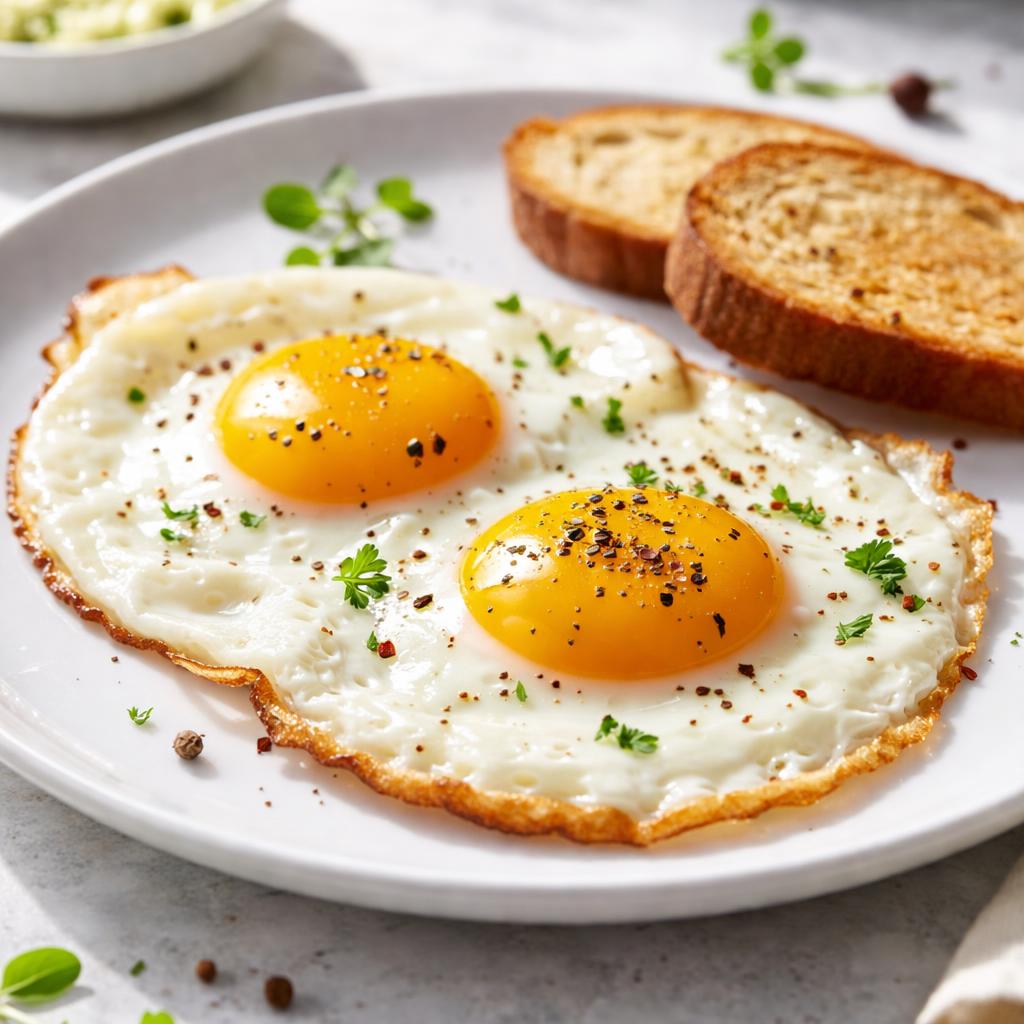
Egg
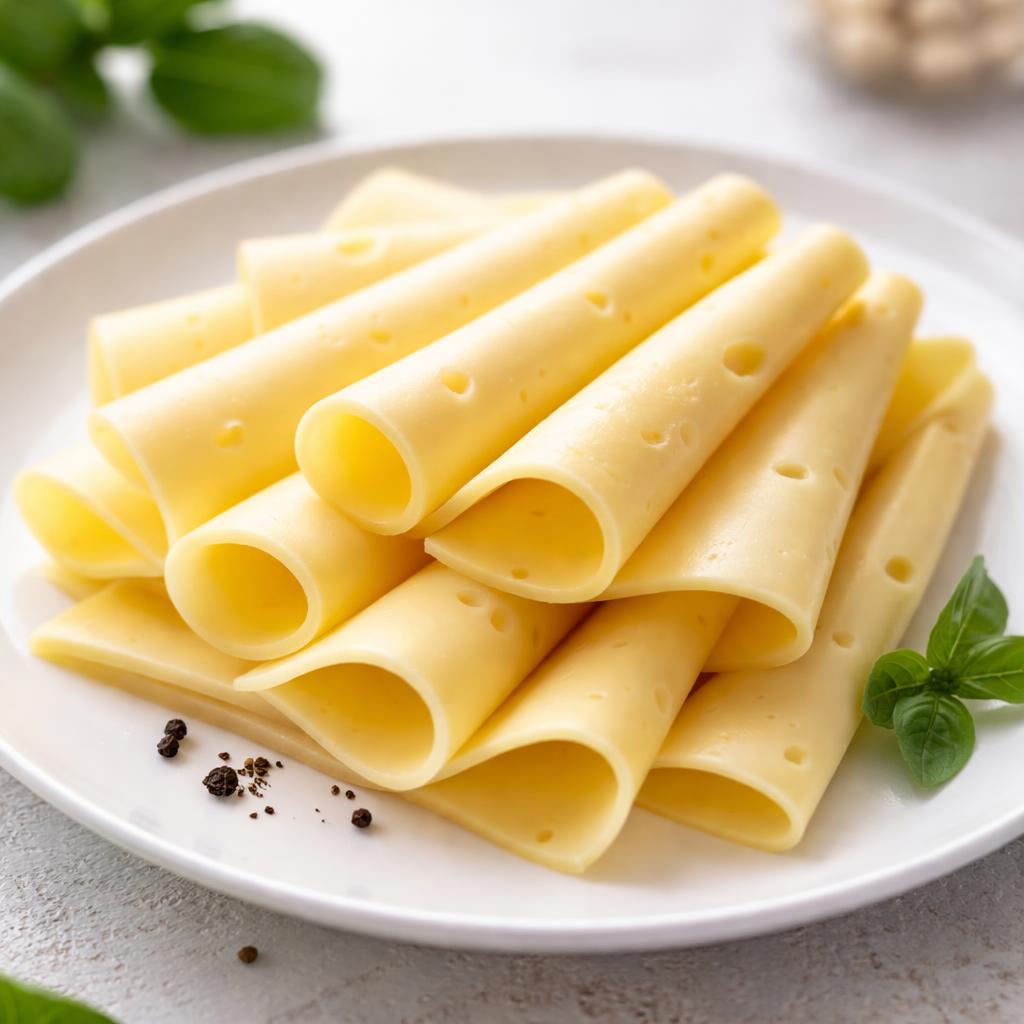
Cheese Slices
🎯 Quick Verdict
Eggs and cheese slices are both nutrient-dense options, but eggs come out on top for overall nutrition. Eggs provide significantly more protein and fewer calories, making them ideal for weight management and muscle building. Cheese slices offer more fat and calcium, which can be beneficial for keto diets or individuals requiring more dairy-based nutrients.

Smart Nutrition Tracking with SnapCalorie

📊 Nutritional Comparison
Macronutrients
| Nutrient | Food 1 | Food 2 | Winner |
|---|---|---|---|
| Calories | 68 per large egg (50g) | 110 per 1 slice (28g) | ✓ |
| Protein | 6g | 4g | ✓ |
| Carbs | 0.6g | 1g | ✓ |
| Fat | 5g | 9g | ✓ |
| Fiber | 0g | 0g | − |
Vitamins & Minerals
| Nutrient | Food 1 | Food 2 | Winner |
|---|---|---|---|
| Vitamin D | 1.1mcg | 0.2mcg | ✓ |
| Calcium | 25mg | 200mg | ✓ |
| Iron | 0.9mg | 0.1mg | ✓ |
| Vitamin A | 75IU | 200IU | ✓ |
🏆 Category Winners
Protein
Eggs contain 50% more protein per serving compared to cheese slices.
Fiber
Neither eggs nor cheese contain fiber.
Calories
Eggs provide 38% fewer calories per serving than cheese slices.
Vitamins
Eggs excel in Vitamin D and Iron, while cheese offers more calcium and Vitamin A.
🥗 Diet Compatibility
Keto
Food 1: Compatible
Food 2: Compatible
Both foods are low-carb and high-fat, ideal for a ketogenic diet.
Vegan
Food 1: Not Compatible
Food 2: Not Compatible
Neither eggs nor cheese are plant-based.
Gluten Free
Food 1: Compatible
Food 2: Compatible
Neither food contains gluten.
Paleo
Food 1: Compatible
Food 2: Not Compatible
Eggs fit paleo guidelines, while processed cheese slices typically do not.
Low-Carb
Food 1: Compatible
Food 2: Compatible
Both foods are low in carbohydrates and suitable for low-carb diets.
💪 Health Benefits Comparison
Food 1 Benefits
- High in protein to support muscle growth and repair
- Rich in Vitamin D, important for bone health
- Contains choline, supporting brain function and metabolism
- Low calorie option for weight management
Food 2 Benefits
- High in calcium for strong bones and teeth
- Contains healthy fats that support energy levels
- Provides Vitamin A, which promotes healthy skin and vision
- Easy and versatile to incorporate into meals
✅ The Bottom Line
Eggs are a better option for those seeking a high-protein, low-calorie food, especially useful in weight loss or muscle-building diets. Cheese slices, with their higher fat and calcium content, are great for keto diets or for adding rich flavor to dishes.
Choose Food 1 for: Weight management, high-protein diets, muscle recovery
Choose Food 2 for: Keto diets, calcium intake, adding richness to recipes


