Egg VS Cheddar Cheese
A detailed nutritional comparison

Egg
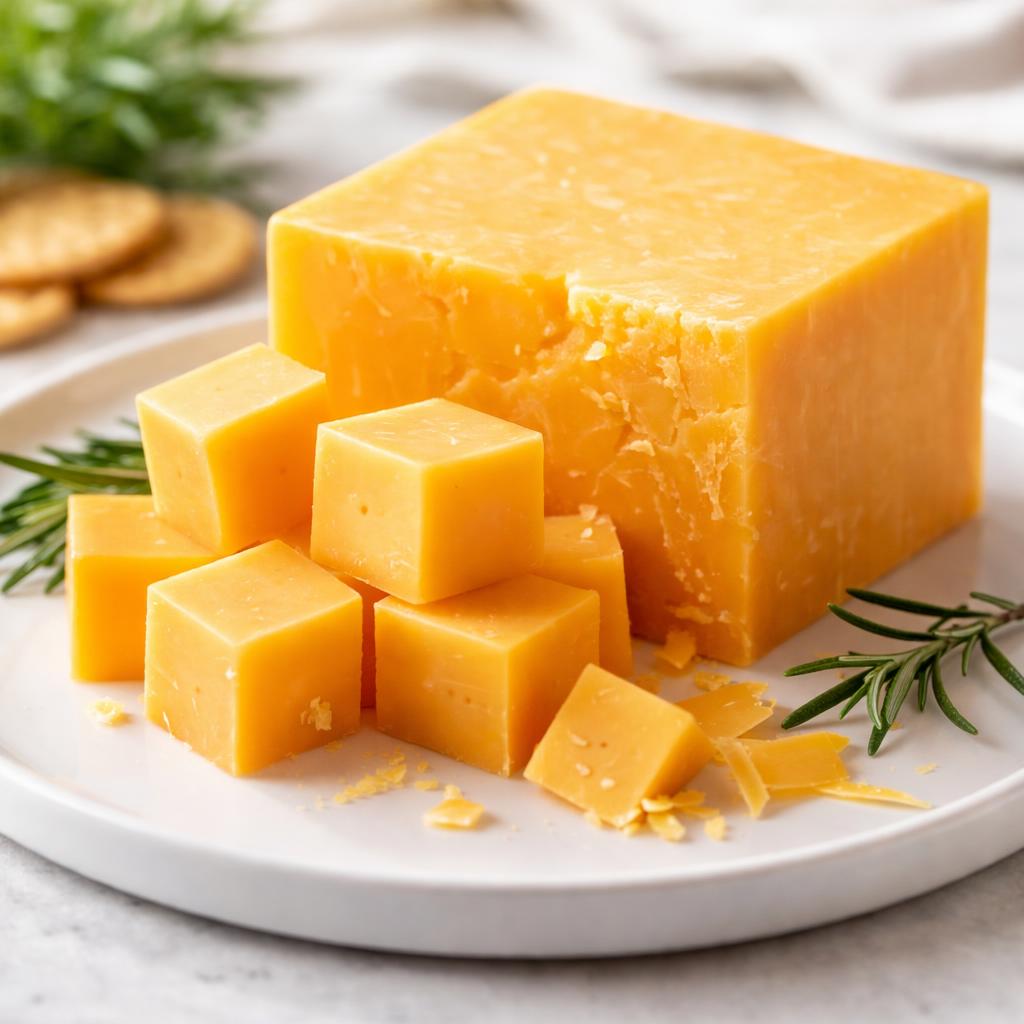
Cheddar Cheese
🎯 Quick Verdict
Eggs and cheddar cheese are nutrient-rich options but have distinct differences. Eggs are lower in calories and fat while providing high-quality protein, making them ideal for weight loss and muscle building. Cheddar cheese is higher in calories and fat but offers more calcium, beneficial for bone health. Both are keto-friendly and versatile in cooking, with cheddar leaning toward indulgent recipes and eggs fitting into lighter meals and snacks.

Smart Nutrition Tracking with SnapCalorie

📊 Nutritional Comparison
Macronutrients
| Nutrient | Food 1 | Food 2 | Winner |
|---|---|---|---|
| Calories | 70 | 114 | ✓ |
| Protein | 6g | 7g | ✓ |
| Carbs | 0g | 0.4g | ✓ |
| Fat | 5g | 9g | ✓ |
| Fiber | 0g | 0g | − |
Vitamins & Minerals
| Nutrient | Food 1 | Food 2 | Winner |
|---|---|---|---|
| Vitamin D | 1mcg | 0mcg | ✓ |
| Calcium | 25mg | 200mg | ✓ |
| Iron | 0.9mg | 0.2mg | ✓ |
🏆 Category Winners
Protein
Cheddar cheese provides slightly more protein per serving (7g vs 6g).
Fiber
Neither eggs nor cheddar cheese contain fiber.
Calories
Eggs are significantly lower in calories (70 vs 114).
🥗 Diet Compatibility
Keto
Food 1: Compatible
Food 2: Compatible
Both foods are very low in carbohydrates.
Vegan
Food 1: Not Compatible
Food 2: Not Compatible
Both foods come from animal sources.
Gluten Free
Food 1: Compatible
Food 2: Compatible
Neither contains gluten.
Paleo
Food 1: Compatible
Food 2: Not Compatible
Eggs fit paleo guidelines, but dairy like cheddar is excluded from strict paleo diets.
Low Carb
Food 1: Compatible
Food 2: Compatible
Both are low-carb options appropriate for low-carb diets.
💪 Health Benefits Comparison
Food 1 Benefits
- Rich in high-quality protein for muscle maintenance
- Low in calories for weight management
- Contains vitamin D for bone and immune health
Food 2 Benefits
- High in calcium to support strong bones and teeth
- Provides healthy fats beneficial for energy and hormone balance
- Contains small amounts of protein for muscle repair
✅ The Bottom Line
Eggs are better for weight loss and lighter meals due to their lower calorie and fat content while still offering high-quality protein. Cheddar cheese, although higher in calories, is ideal for those looking to boost calcium intake or incorporate more fats into their diet, particularly on keto. Choose eggs for lean, balanced meals and cheddar for indulgent dishes or snacks.
Choose Food 1 for: Weight loss, muscle building, breakfast or light meals
Choose Food 2 for: Calcium intake, keto diet, richer recipes or snacking


