Egg VS Caesar Dressing
A detailed nutritional comparison

Egg
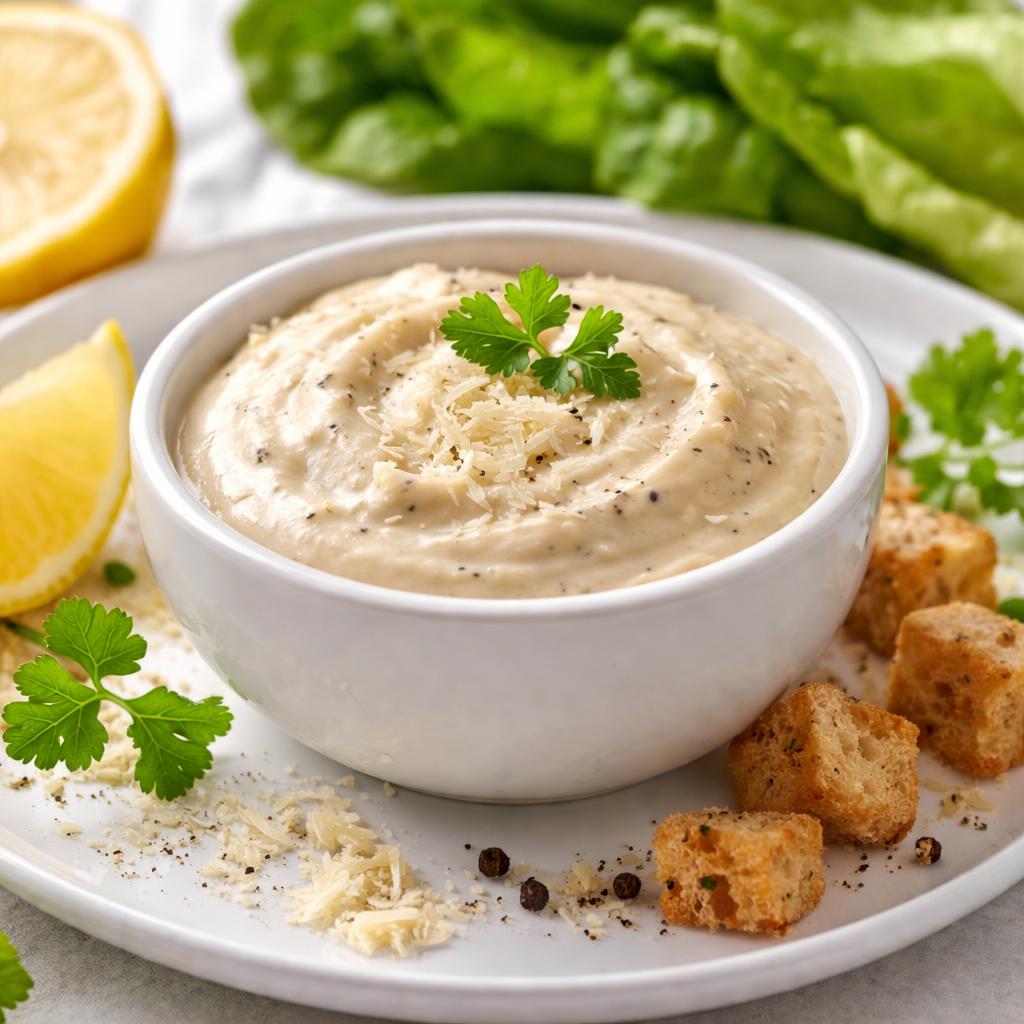
Caesar Dressing
🎯 Quick Verdict
Eggs (Food 1) are nutrient-dense with high protein and lower calories, making them ideal for weight management and muscle-building diets. Caesar dressing (Food 2) is calorie-dense with healthy fats and flavor-enhancing properties, best suited as a topping or enhancer for meals rather than a sole nutrition source.

Smart Nutrition Tracking with SnapCalorie

📊 Nutritional Comparison
Macronutrients
| Nutrient | Food 1 | Food 2 | Winner |
|---|---|---|---|
| Calories | 70 | 150 | ✓ |
| Protein | 6g | 0g | ✓ |
| Carbs | 0.6g | 3g | ✓ |
| Fat | 5g | 15g | ✓ |
| Fiber | 0g | 0g | − |
Vitamins & Minerals
| Nutrient | Food 1 | Food 2 | Winner |
|---|---|---|---|
| Vitamin D | 1.1mcg | 0.5mcg | ✓ |
| Calcium | 25mg | 20mg | ✓ |
| Iron | 0.9mg | 0.2mg | ✓ |
🏆 Category Winners
Protein
Eggs are an excellent source of protein with 6g per serving, compared to Caesar dressing which has none.
Fiber
Neither food contains significant dietary fiber.
Calories
Eggs are much lower in calories at 70 per serving versus 150 in Caesar dressing.
Vitamins
Eggs provide more vitamin D, calcium, and iron compared to Caesar dressing.
🥗 Diet Compatibility
Keto
Food 1: Compatible
Food 2: Compatible
Both are low-carb and high in fats.
Vegan
Food 1: Not Compatible
Food 2: Not Compatible
Eggs and Caesar dressing typically contain animal-derived ingredients.
Gluten Free
Food 1: Compatible
Food 2: Compatible
Both foods are naturally gluten-free.
Paleo
Food 1: Compatible
Food 2: Not Compatible
Eggs fit paleo diets, but Caesar dressing often contains processed ingredients.
Low-Carb
Food 1: Compatible
Food 2: Compatible
Both foods have very low carbohydrate content.
💪 Health Benefits Comparison
Food 1 Benefits
- Excellent source of high-quality protein for muscle health.
- Rich in vitamin D for bone strength and immune support.
- Contains choline, which supports brain and liver health.
Food 2 Benefits
- Provides healthy fats for energy and satiety.
- Rich in flavor-enhancing properties for meal variety.
- Contains calcium for bone health (depending on specific recipe).
✅ The Bottom Line
Eggs are a better standalone food option due to high protein, lower calories, and nutrient density, making them great for weight loss and muscle growth. Caesar dressing is best used in moderation to enhance flavor and add healthy fats to meals but should not be a primary nutrition source.
Choose Food 1 for: Weight management, muscle-building, nutrient-dense meals
Choose Food 2 for: Salad enhancement, flavoring dishes, adding fats to a low-carb meal


