Egg VS Bread Slice
A detailed nutritional comparison
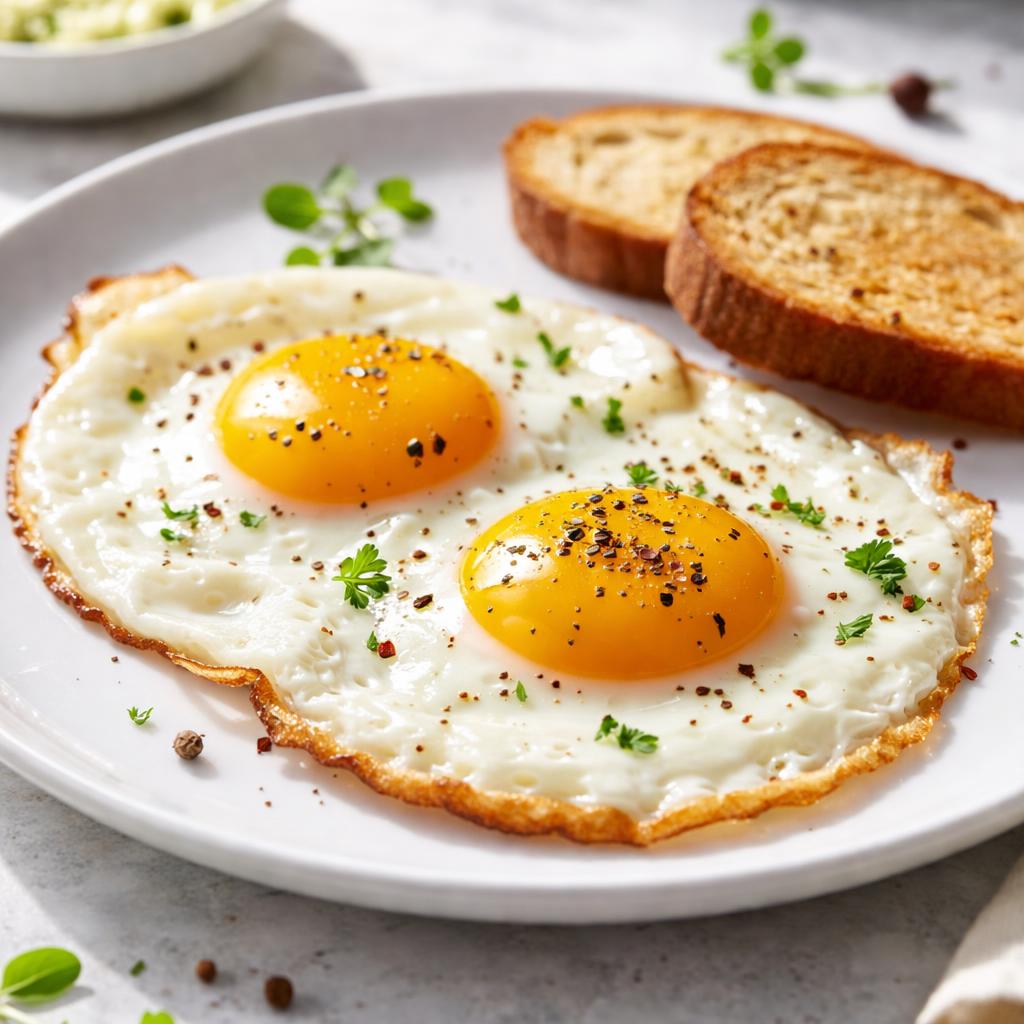
Egg
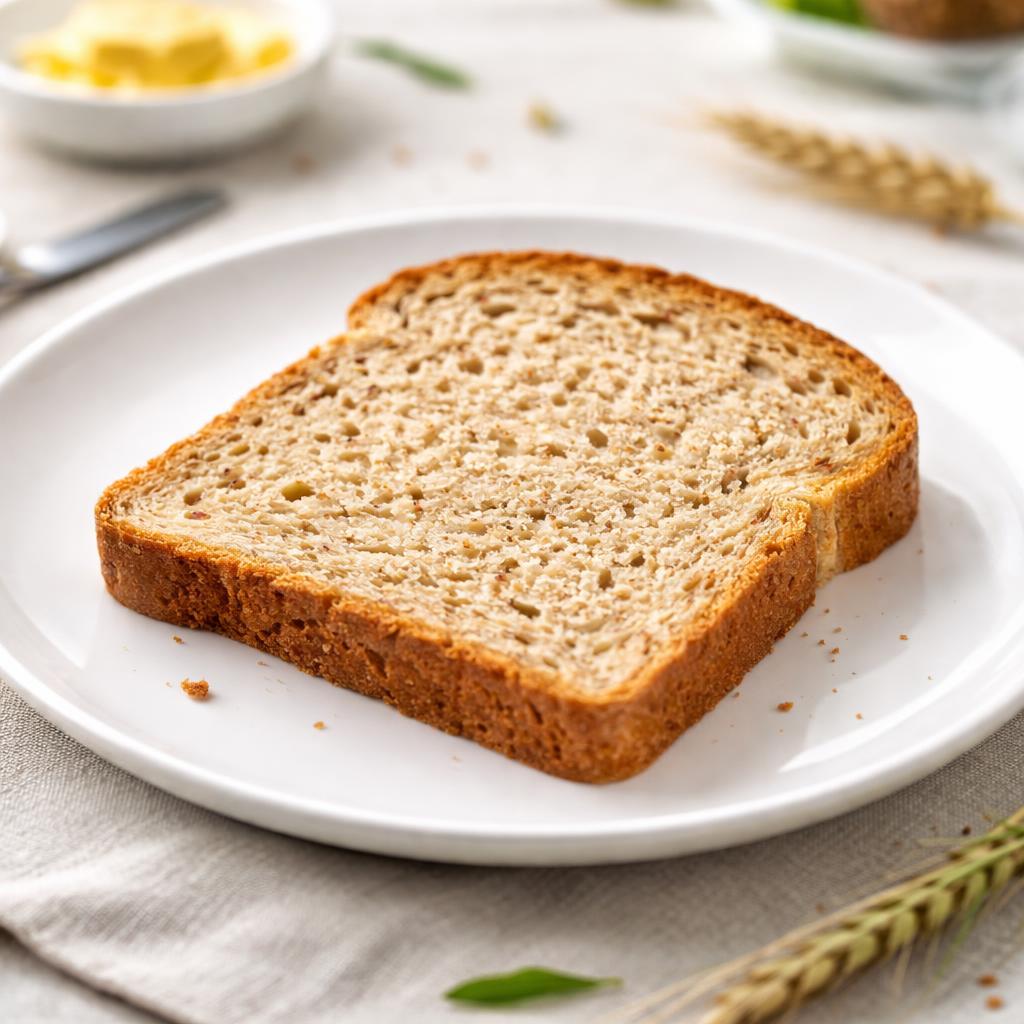
Bread Slice
🎯 Quick Verdict
Eggs are rich in protein, healthy fats, and essential vitamins like B12 and vitamin D, making them an ideal food for building muscle and maintaining satiety. Bread, on the other hand, provides more fiber and carbohydrates, making it better for quick energy or as a base for meals. Eggs complement high-protein diets, while bread is suited to balanced, high-energy diets.

Smart Nutrition Tracking with SnapCalorie

📊 Nutritional Comparison
Macronutrients
| Nutrient | Food 1 | Food 2 | Winner |
|---|---|---|---|
| Calories | 70 | 80 | ✓ |
| Protein | 6g | 2g | ✓ |
| Carbs | 0.5g | 15g | ✓ |
| Fat | 5g | 1g | ✓ |
| Fiber | 0g | 1g | ✓ |
Vitamins & Minerals
| Nutrient | Food 1 | Food 2 | Winner |
|---|---|---|---|
| Vitamin D | 1mcg | 0mcg | ✓ |
| Vitamin B12 | 1mcg | 0mcg | ✓ |
| Iron | 1mg | 0.5mg | ✓ |
| Calcium | 25mg | 30mg | ✓ |
🏆 Category Winners
Protein
Eggs offer 3x more protein per serving than bread.
Fiber
Bread provides 1g of fiber per slice, while eggs have no fiber.
Calories
Eggs have slightly fewer calories than bread.
Vitamins
Eggs offer vitamin D and B12, which bread lacks.
🥗 Diet Compatibility
Keto
Food 1: Compatible
Food 2: Not Compatible
Eggs are low-carb, while bread is high-carb.
Vegan
Food 1: Not Compatible
Food 2: Compatible
Eggs are animal-derived; bread is plant-based.
Gluten Free
Food 1: Compatible
Food 2: Not Compatible
Eggs are naturally gluten-free, while bread contains gluten.
Paleo
Food 1: Compatible
Food 2: Not Compatible
Eggs fit paleo guidelines, while bread does not due to grains.
Low-Carb
Food 1: Compatible
Food 2: Not Compatible
Eggs are extremely low-carb, unlike bread.
💪 Health Benefits Comparison
Food 1 Benefits
- Rich in protein for muscle growth and repair
- Provides vitamin D for bone and immune health
- Contains healthy fats for satiety and brain health
- Offers B12 for energy metabolism
Food 2 Benefits
- Good source of energy from carbohydrates
- Provides fiber for digestive health
- Contains essential minerals like calcium and iron
- Can act as a versatile base for meals or snacks
✅ The Bottom Line
Eggs are the better choice for low-carb, high-protein diets and those aiming to build muscle or manage weight. Bread, while lower in protein, provides more fiber and energy, making it a better option for balanced or high-energy diets. Choose eggs for satiety and versatility, while bread is suitable as part of a meal or snack when you need quick fuel.
Choose Food 1 for: Low-carb diets, muscle building, weight management
Choose Food 2 for: Quick energy, fiber-rich diets, versatile meal bases


