Egg VS Beef
A detailed nutritional comparison

Egg
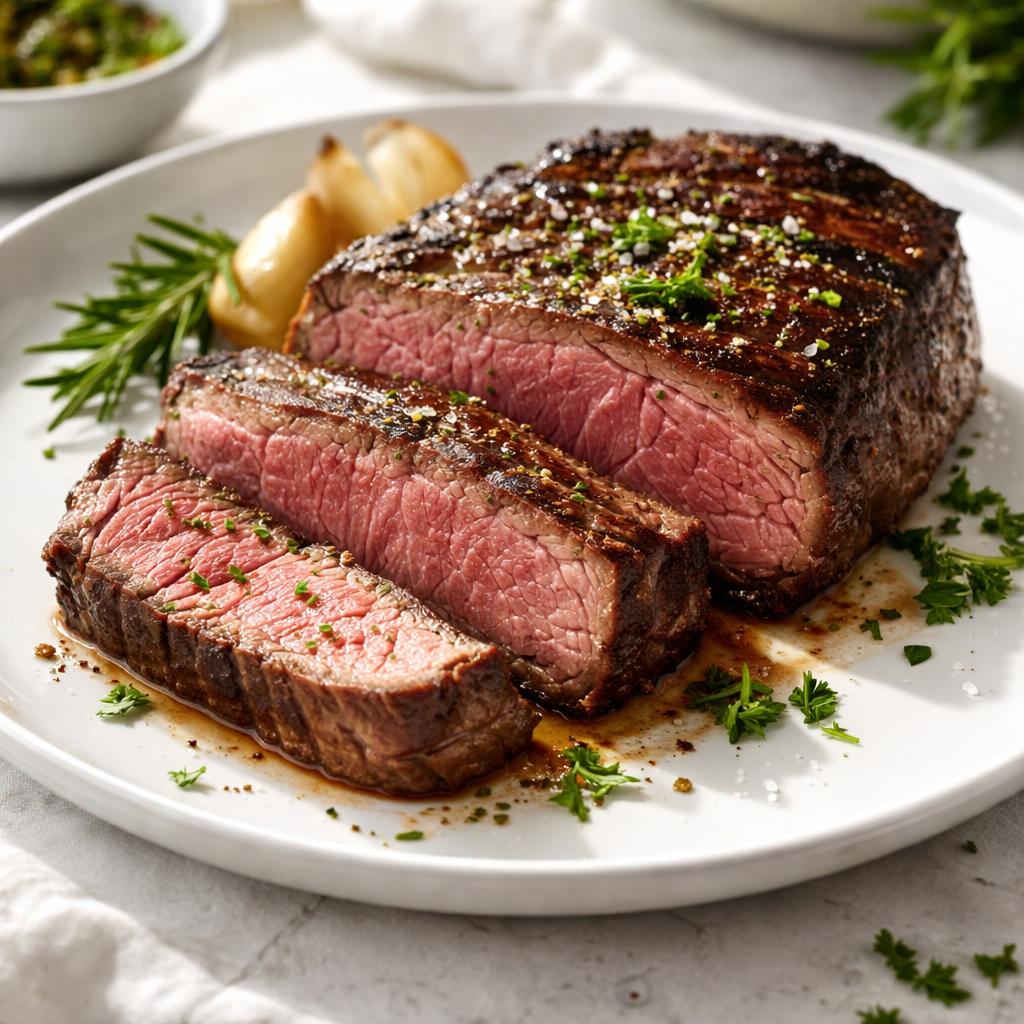
Beef
🎯 Quick Verdict
Eggs and beef are both nutrient-dense protein sources, but they serve different dietary purposes. Beef offers higher protein per serving and more iron, making it ideal for muscle building and energy. Eggs are lower in calories and offer diverse nutrients like choline and vitamin D, suitable for weight loss and balanced diets.

Smart Nutrition Tracking with SnapCalorie

📊 Nutritional Comparison
Macronutrients
| Nutrient | Food 1 | Food 2 | Winner |
|---|---|---|---|
| Calories | 70 | 250 | ✓ |
| Protein | 6g | 26g | ✓ |
| Carbs | 0g | 0g | − |
| Fat | 5g | 20g | ✓ |
| Fiber | 0g | 0g | − |
Vitamins & Minerals
| Nutrient | Food 1 | Food 2 | Winner |
|---|---|---|---|
| Vitamin D | 1mcg | 0.2mcg | ✓ |
| Choline | 150mg | 65mg | ✓ |
| Iron | 0.9mg | 2.8mg | ✓ |
🏆 Category Winners
Protein
Beef contains over 4 times the protein per serving compared to eggs.
Fiber
Neither eggs nor beef contain fiber.
Calories
Eggs are significantly lower in calories with 70 per serving versus 250 for beef.
Vitamins
Eggs are richer in vitamin D and choline, which are crucial for bone health and neurological function.
🥗 Diet Compatibility
Keto
Food 1: Compatible
Food 2: Compatible
Both foods are low in carbohydrates and suitable for keto diets.
Vegan
Food 1: Not Compatible
Food 2: Not Compatible
Neither food is plant-based.
Gluten Free
Food 1: Compatible
Food 2: Compatible
Both foods are naturally gluten-free.
Paleo
Food 1: Compatible
Food 2: Compatible
Both foods align with paleo guidelines as whole, unprocessed animal products.
Low Carb
Food 1: Compatible
Food 2: Compatible
Both eggs and beef contain zero carbs, making them ideal choices for low-carb diets.
💪 Health Benefits Comparison
Food 1 Benefits
- Rich in vitamin D for bone health
- High in choline for brain function
- Contains healthy fats supporting satiety and hormone regulation
- Low calorie, making it ideal for weight loss
Food 2 Benefits
- Excellent source of protein for muscle growth and repair
- High in iron, beneficial for energy and preventing anemia
- Contains B vitamins, supporting energy metabolism
- Includes healthy fats, promoting heart health (if lean cuts are chosen)
✅ The Bottom Line
Eggs and beef are both highly nutritious choices, but their use depends on dietary goals. Choose eggs for lower calorie diets and balanced nutrition, ideal for weight loss and brain health. Select beef for higher protein needs, energy boosting, and muscle development, particularly in physically active individuals.
Choose Food 1 for: Weight loss, balanced diets, brain health
Choose Food 2 for: Muscle building, energy boosting, iron intake


