Egg VS Baked Beans
A detailed nutritional comparison
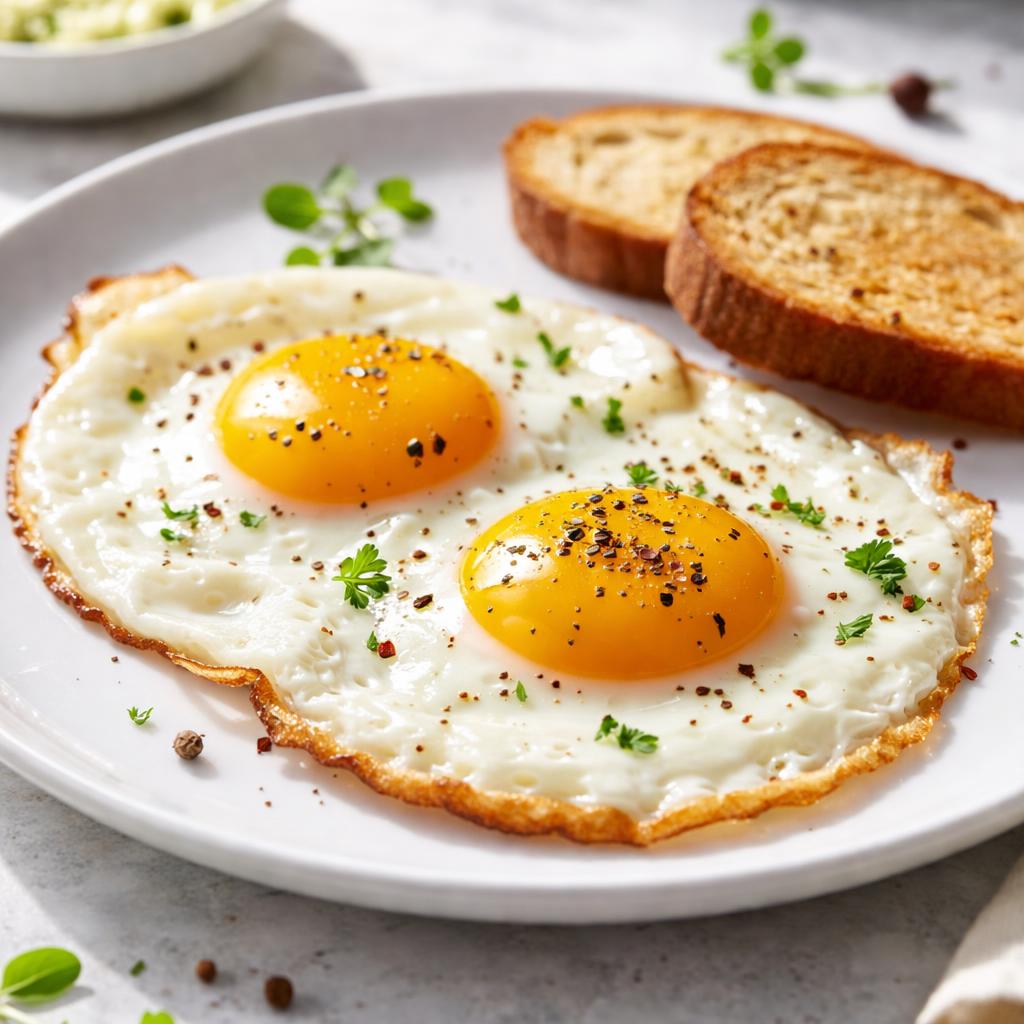
Egg
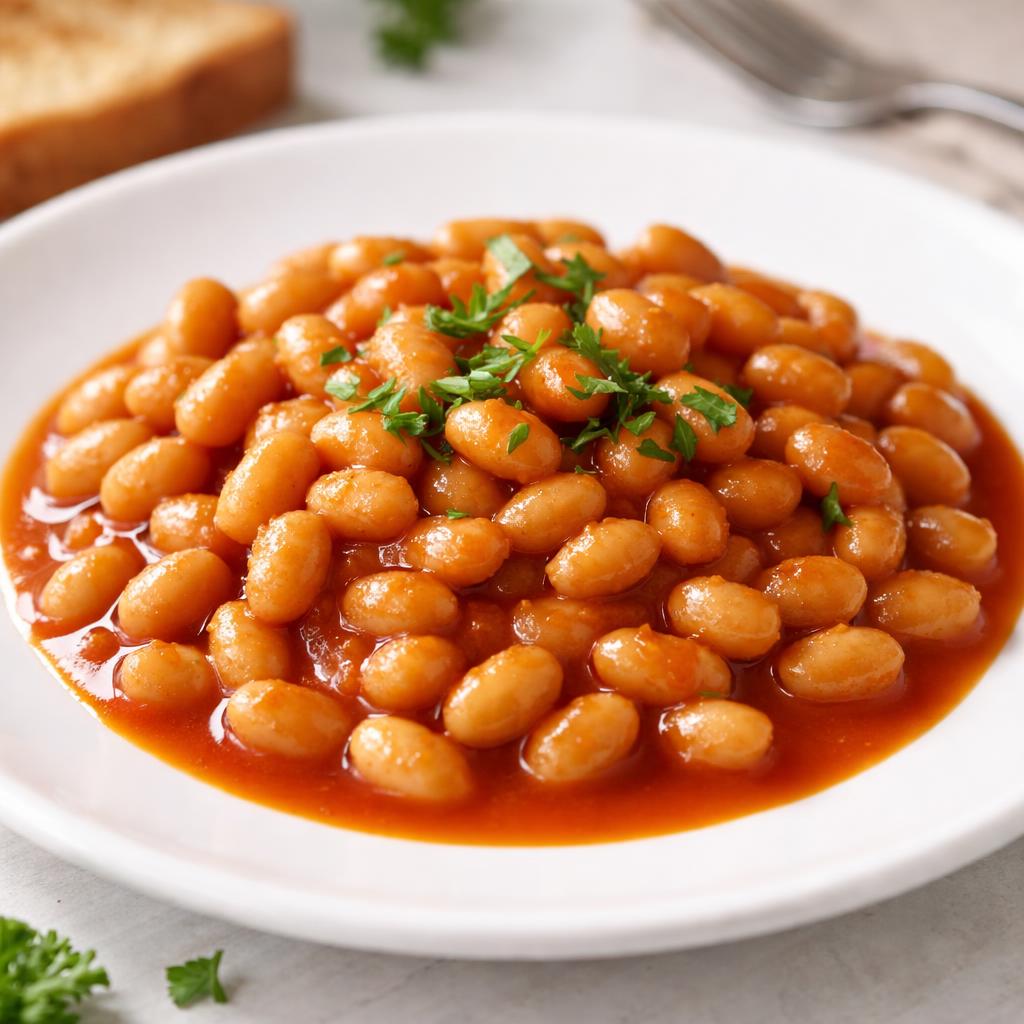
Baked Beans
🎯 Quick Verdict
Eggs are higher in protein, lower in calories, and an excellent source of vitamin D and iron, making them ideal for muscle building and weight management. Baked beans are fiber-rich, provide slow-digesting carbs for sustained energy, and contain antioxidants, suiting heart health and energy needs. Both have unique strengths depending on dietary goals.

Smart Nutrition Tracking with SnapCalorie

📊 Nutritional Comparison
Macronutrients
| Nutrient | Food 1 | Food 2 | Winner |
|---|---|---|---|
| Calories | 68 | 160 | ✓ |
| Protein | 6.3g | 7.7g | ✓ |
| Carbs | 0.6g | 30g | ✓ |
| Fat | 5g | 0.5g | ✓ |
| Fiber | 0g | 5g | ✓ |
Vitamins & Minerals
| Nutrient | Food 1 | Food 2 | Winner |
|---|---|---|---|
| Vitamin D | 1.1mcg | 0mcg | ✓ |
| Calcium | 25mg | 44mg | ✓ |
| Iron | 0.9mg | 1.9mg | ✓ |
🏆 Category Winners
Protein
Baked beans have 22% more protein per serving compared to eggs.
Fiber
Baked beans contain 5 grams of fiber per serving, while eggs have no fiber.
Calories
Eggs are 57.5% lower in calories at 68 calories per egg.
🥗 Diet Compatibility
Keto
Food 1: Compatible
Food 2: Not Compatible
Eggs are low-carb (<1g net carbs).
Vegan
Food 1: Not Compatible
Food 2: Compatible
Eggs are animal-based, while baked beans are plant-based.
Gluten Free
Food 1: Compatible
Food 2: Compatible
Both are naturally gluten-free.
Paleo
Food 1: Compatible
Food 2: Not Compatible
Eggs fit paleo guidelines, but baked beans do not due to legumes being excluded in paleo diets.
Low Carb
Food 1: Compatible
Food 2: Not Compatible
Eggs contain only 0.6g carbs, while baked beans contain 30g carbs per serving.
💪 Health Benefits Comparison
Food 1 Benefits
- High-quality protein for muscle maintenance and growth
- Rich in vitamin D for bone health and immune system support
- Contains choline to support brain health
Food 2 Benefits
- Packed with fiber for better digestion and heart health
- Offers slow-digesting carbohydrates for sustained energy
- Contains iron and antioxidants for improved red blood cell production and cellular health
✅ The Bottom Line
Eggs are an excellent choice for high-protein, low-carb diets like keto and paleo, and they shine in muscle-building and weight-loss contexts. Baked beans offer a fiber-rich energy source suited for heart-healthy and plant-based diets, making them ideal for vegans and vegetarians. Both have strengths tailored to specific dietary goals.
Choose Food 1 for: Keto, paleo, weight loss, post-workout recovery
Choose Food 2 for: Heart health, vegan/vegetarian diets, sustained energy


