Egg VS Bacon
A detailed nutritional comparison

Egg
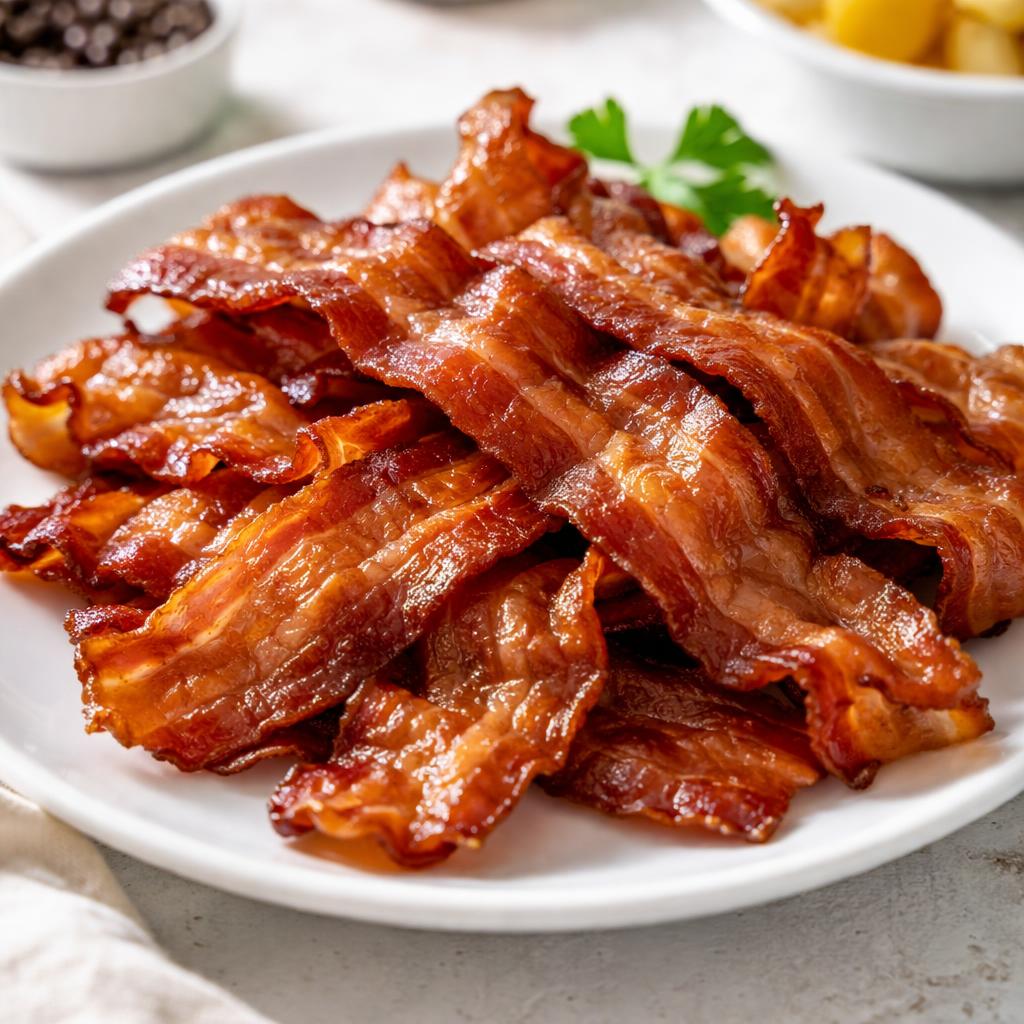
Bacon
🎯 Quick Verdict
Eggs and bacon are both nutrient-dense foods but with distinct differences. Eggs provide more protein, fewer calories, and are rich in vitamins like B12 and D, making them versatile for most diets. Bacon, while higher in fat and calories, offers flavorful fats and sodium but should be enjoyed sparingly due to its processing and salt content. Eggs are better for overall nutrition, while bacon adds taste to meals in moderation.

Smart Nutrition Tracking with SnapCalorie

📊 Nutritional Comparison
Macronutrients
| Nutrient | Food 1 | Food 2 | Winner |
|---|---|---|---|
| Calories | 70 | 150 | ✓ |
| Protein | 6g | 4g | ✓ |
| Carbs | 0g | 0g | − |
| Fat | 5g | 12g | ✓ |
| Fiber | 0g | 0g | − |
Vitamins & Minerals
| Nutrient | Food 1 | Food 2 | Winner |
|---|---|---|---|
| Vitamin D | 1mcg | 0mcg | ✓ |
| Vitamin B12 | 1.1mcg | 0.6mcg | ✓ |
| Iron | 0.9mg | 0.3mg | ✓ |
🏆 Category Winners
Protein
Eggs have 50% more protein per serving compared to bacon.
Fiber
Neither eggs nor bacon contain fiber.
Calories
Eggs have less than half the calories of bacon per serving.
🥗 Diet Compatibility
Keto
Food 1: Compatible
Food 2: Compatible
Both are high-fat, low-carb foods suitable for keto dieting.
Vegan
Food 1: Not Compatible
Food 2: Not Compatible
Both are animal products and not suitable for vegan diets.
Gluten Free
Food 1: Compatible
Food 2: Compatible
Neither contains gluten.
Paleo
Food 1: Compatible
Food 2: Compatible
Both align with paleo dietary guidelines.
Low Carb
Food 1: Compatible
Food 2: Compatible
Both are naturally low-carb foods.
💪 Health Benefits Comparison
Food 1 Benefits
- Rich in protein to support muscle repair and growth
- Good source of Vitamin D for bone health
- Provides choline for brain function and metabolism
Food 2 Benefits
- Contains savory fats for sustained energy
- Source of selenium, supporting antioxidant defenses
- Adds flavor and satiety to meals
✅ The Bottom Line
Eggs are the better choice for overall nutrition, offering protein, essential vitamins, and lower calorie content. Bacon excels in adding rich flavor but should be consumed sparingly due to its higher fat and sodium levels. Choose eggs for daily nutrient needs and bacon for occasional indulgence or flavor pairing.
Choose Food 1 for: Breakfast staples, high-protein diets, muscle building
Choose Food 2 for: Enhancing flavor in dishes, occasional energy boost, keto-friendly meals


