Egg VS Almonds
A detailed nutritional comparison

Egg
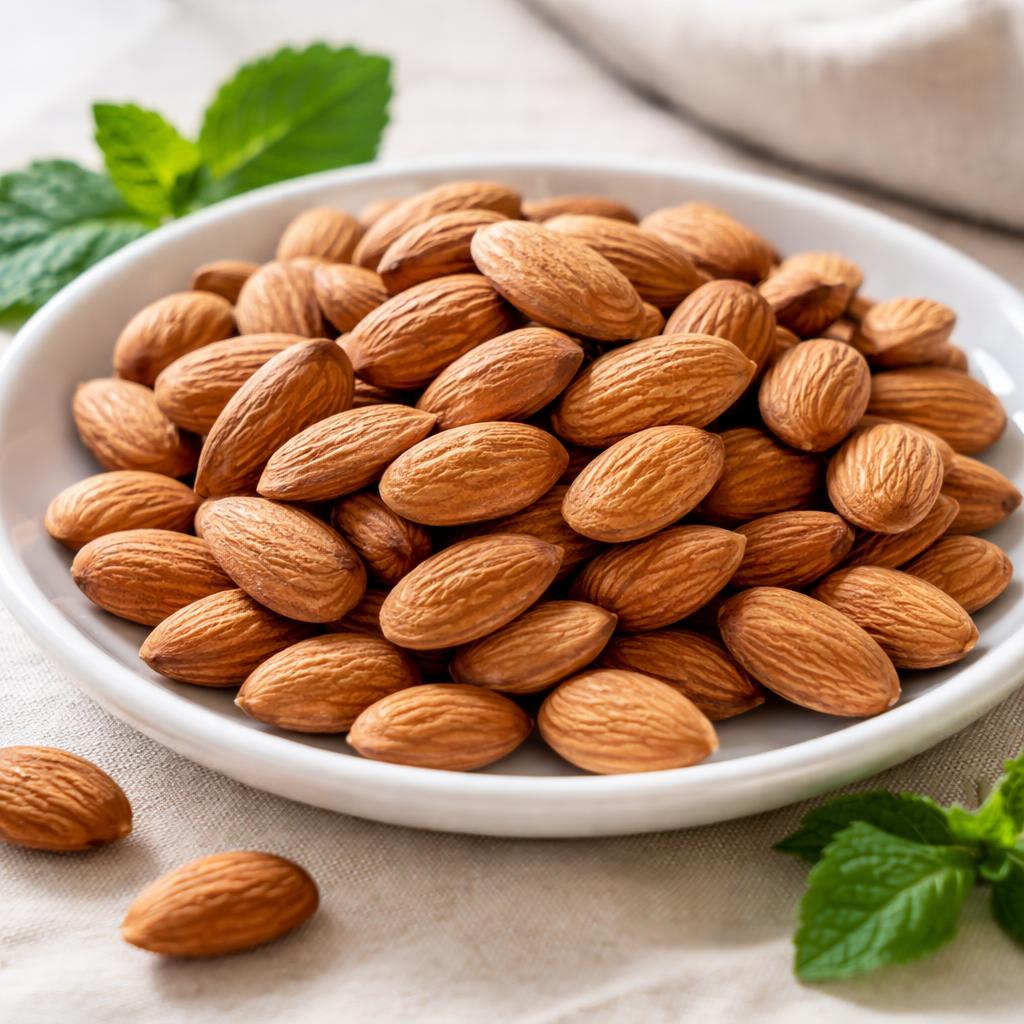
Almonds
🎯 Quick Verdict
Eggs are a high-protein, low-calorie option that offers essential vitamins like B12 and choline, making them ideal for muscle repair and weight management. Almonds are calorie-dense but packed with fiber, healthy fats, and vitamin E, providing sustained energy and heart health benefits. Eggs work well for protein-focused diets; almonds are better for snacking and nutrient density.

Smart Nutrition Tracking with SnapCalorie

📊 Nutritional Comparison
Macronutrients
| Nutrient | Food 1 | Food 2 | Winner |
|---|---|---|---|
| Calories | 70 | 160 | ✓ |
| Protein | 6g | 6g | − |
| Carbs | 0.6g | 6g | ✓ |
| Fat | 5g | 14g | ✓ |
| Fiber | 0g | 3.5g | ✓ |
Vitamins & Minerals
| Nutrient | Food 1 | Food 2 | Winner |
|---|---|---|---|
| Vitamin E | 0mg | 7mg | ✓ |
| Vitamin B12 | 0.6mcg | 0mcg | ✓ |
| Choline | 147mg | 0mg | ✓ |
| Magnesium | 6mg | 76mg | ✓ |
| Calcium | 25mg | 76mg | ✓ |
🏆 Category Winners
Protein
Eggs provide complete protein with all essential amino acids, unlike almonds.
Fiber
Almonds contain 3.5g of fiber per serving, while eggs contain none.
Calories
Eggs are far lower in calories at 70 per serving compared to almonds at 160 per serving.
Vitamins
Almonds are much richer in Vitamin E and magnesium compared to eggs.
🥗 Diet Compatibility
Keto
Food 1: Compatible
Food 2: Compatible
Both are low-carb options suitable for keto diets.
Vegan
Food 1: Not Compatible
Food 2: Compatible
Eggs are animal-based while almonds are plant-based.
Gluten Free
Food 1: Compatible
Food 2: Compatible
Neither contains gluten.
Paleo
Food 1: Compatible
Food 2: Compatible
Both align with paleo guidelines.
Low-Carb
Food 1: Compatible
Food 2: Compatible
Both are low in carbohydrates.
💪 Health Benefits Comparison
Food 1 Benefits
- Rich in complete protein for muscle growth and repair
- High choline content supports brain and liver health
- Low calorie count helps with weight management
Food 2 Benefits
- Provides healthy fats beneficial for heart health
- Contains 3.5g of fiber for digestive health
- Rich in antioxidants like Vitamin E to combat oxidative stress
✅ The Bottom Line
Eggs are the better choice for those seeking high protein, fewer calories, and essential amino acids for muscle repair and weight loss. Almonds, on the other hand, are excellent for fiber, heart-healthy fats, and nutrient density, making them a great snack for sustained energy and overall well-being.
Choose Food 1 for: Weight management, muscle recovery, energy boost after workouts
Choose Food 2 for: Heart health, snacking, antioxidant support


