Egg Noodles VS Rice Soup
A detailed nutritional comparison
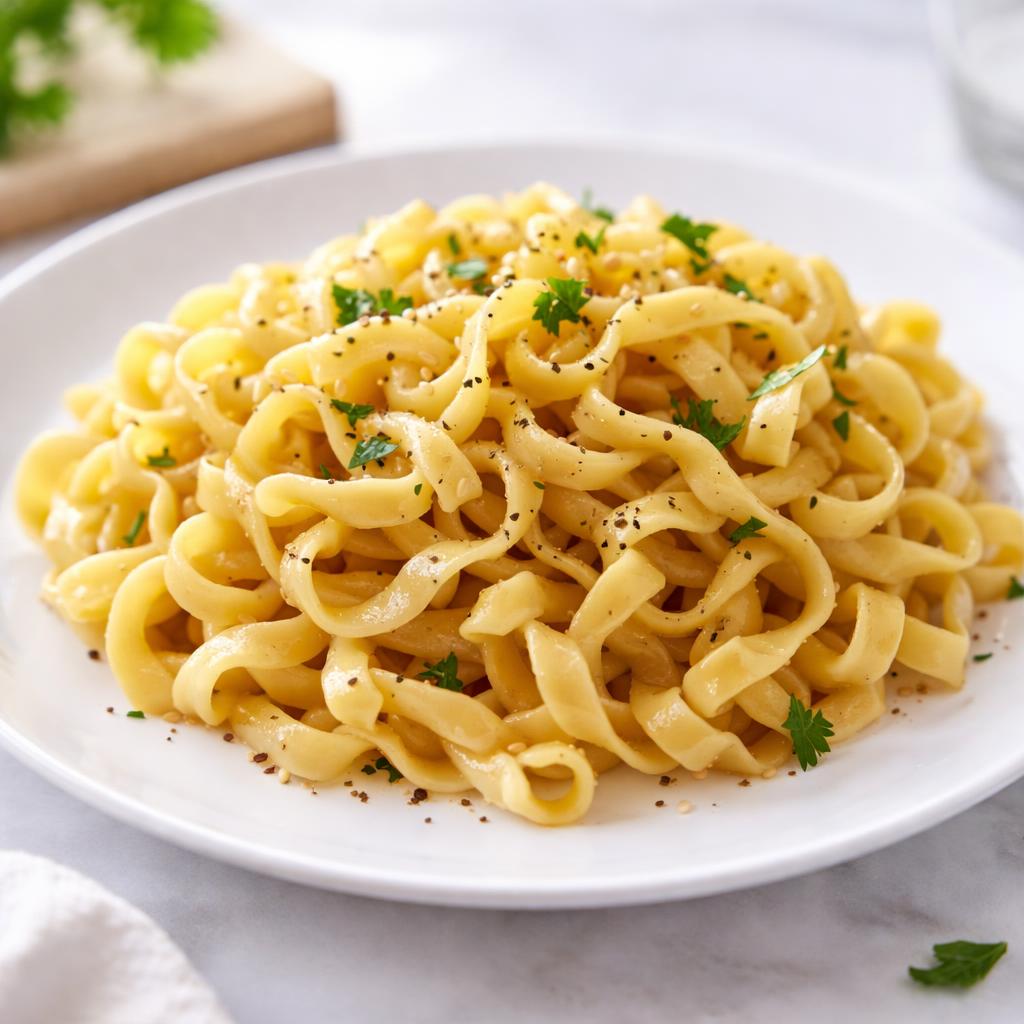
Egg Noodles
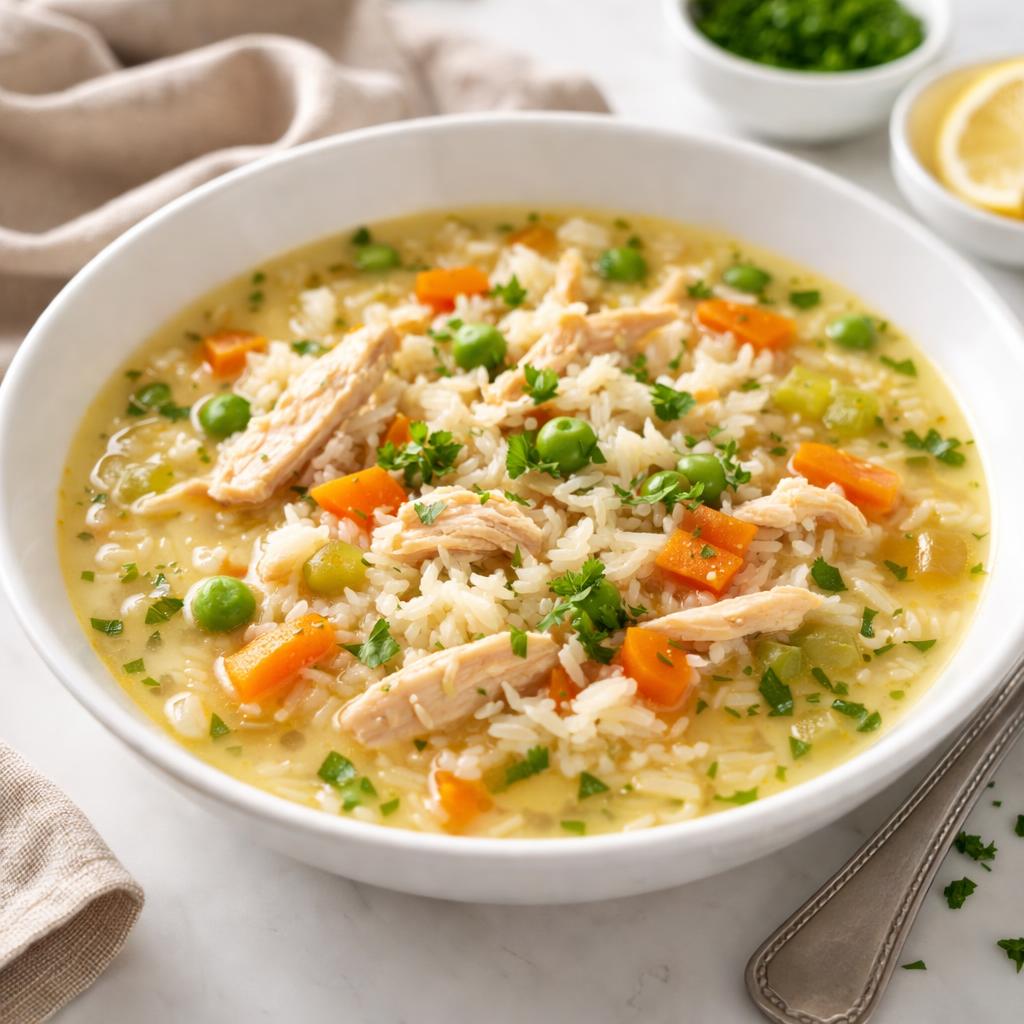
Rice Soup
🎯 Quick Verdict
Egg noodles provide significantly more protein and fiber, making them better suited for muscle maintenance and digestive health. Rice soup, however, is much lower in calories, making it a lighter meal option for those managing calorie intake. Each food has distinct applications depending on dietary goals, such as weight management versus energy-fueling meals.

Smart Nutrition Tracking with SnapCalorie

📊 Nutritional Comparison
Macronutrients
| Nutrient | Food 1 | Food 2 | Winner |
|---|---|---|---|
| Calories | 220 per cup | 100 per cup | ✓ |
| Protein | 7g per cup | 2g per cup | ✓ |
| Carbs | 40g per cup | 22g per cup | ✓ |
| Fat | 3g per cup | 0.5g per cup | ✓ |
| Fiber | 2g per cup | 0.5g per cup | ✓ |
Vitamins & Minerals
| Nutrient | Food 1 | Food 2 | Winner |
|---|---|---|---|
| Vitamin D | 0mcg | 0mcg | − |
| Calcium | 28mg per cup | 10mg per cup | ✓ |
| Iron | 2mg per cup | 0.3mg per cup | ✓ |
🏆 Category Winners
Protein
Egg noodles have over 3x the protein content of rice soup (7g vs 2g).
Fiber
Egg noodles provide 4x more fiber (2g vs 0.5g).
Calories
Rice soup is 55% lower in calories than egg noodles (100 vs 220).
🥗 Diet Compatibility
Keto
Food 1: Not Compatible
Food 2: Not Compatible
Both foods are high-carb and not suitable for ketogenic diets.
Vegan
Food 1: Not Compatible
Food 2: Compatible
Egg noodles typically contain egg, whereas rice soup is plant-based.
Gluten Free
Food 1: Not Compatible
Food 2: Compatible
Egg noodles are made from wheat, while rice soup is naturally gluten-free.
Paleo
Food 1: Not Compatible
Food 2: Compatible
Rice soup aligns with paleo principles, while egg noodles do not due to wheat and processing.
Low-Carb
Food 1: Not Compatible
Food 2: Not Compatible
Both foods are carb-heavy and unsuitable for low-carb diets.
💪 Health Benefits Comparison
Food 1 Benefits
- Moderate protein content supports muscle health and repair
- Provides iron to support oxygen transport and energy levels
- Contains fiber for gut health and digestion improvement
Food 2 Benefits
- Low-calorie option ideal for weight management
- Gluten-free and easy to digest, suitable for sensitive diets
- Hydrating and gentle on the stomach, beneficial during illness or recovery
✅ The Bottom Line
Egg noodles are a better choice for those needing higher protein and fiber or looking for a more substantial meal, such as post-workout recovery. Rice soup is ideal for light meals, weight management, or those with dietary restrictions like gluten intolerance or vegan preferences.
Choose Food 1 for: Muscle building, post-workout, moderate-calorie meals
Choose Food 2 for: Low-calorie diets, light meals, gluten-free diets


