Egg Noodles VS Rice Noodle
A detailed nutritional comparison
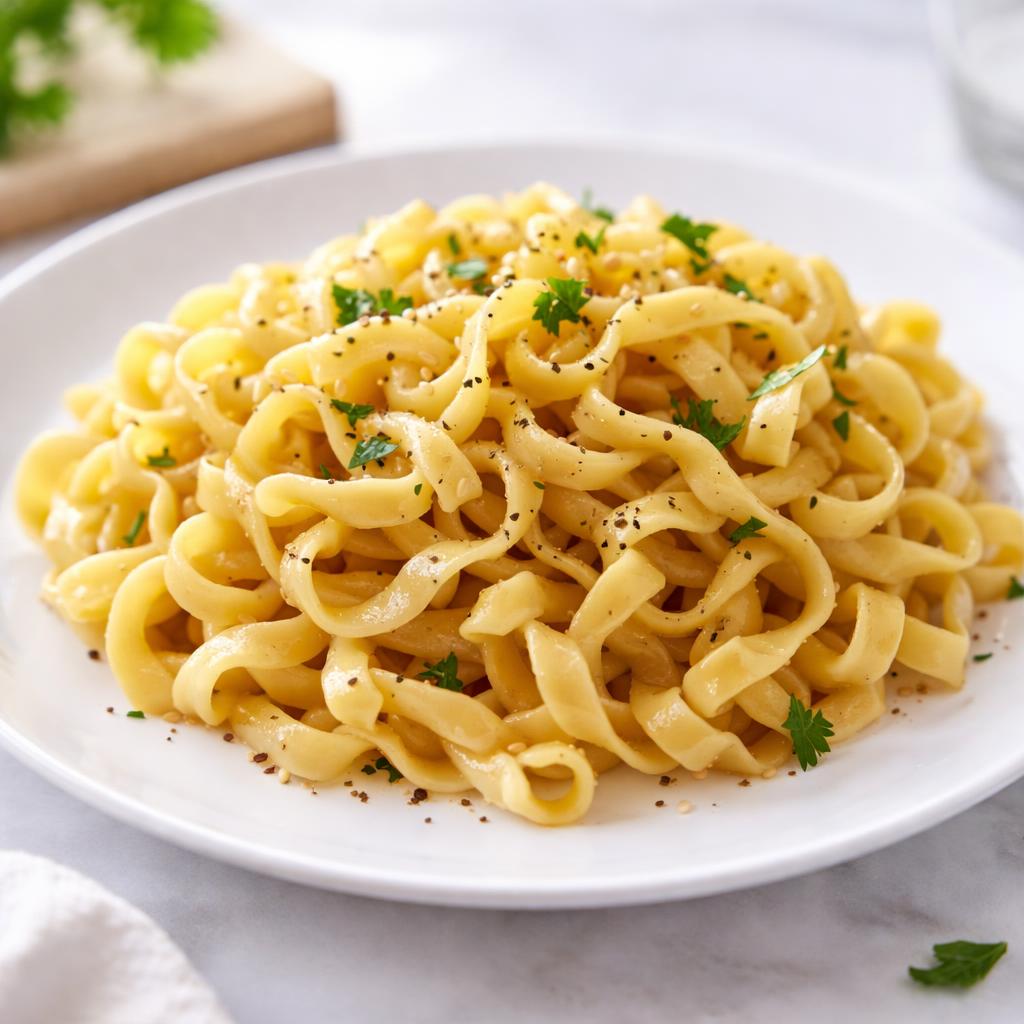
Egg Noodles
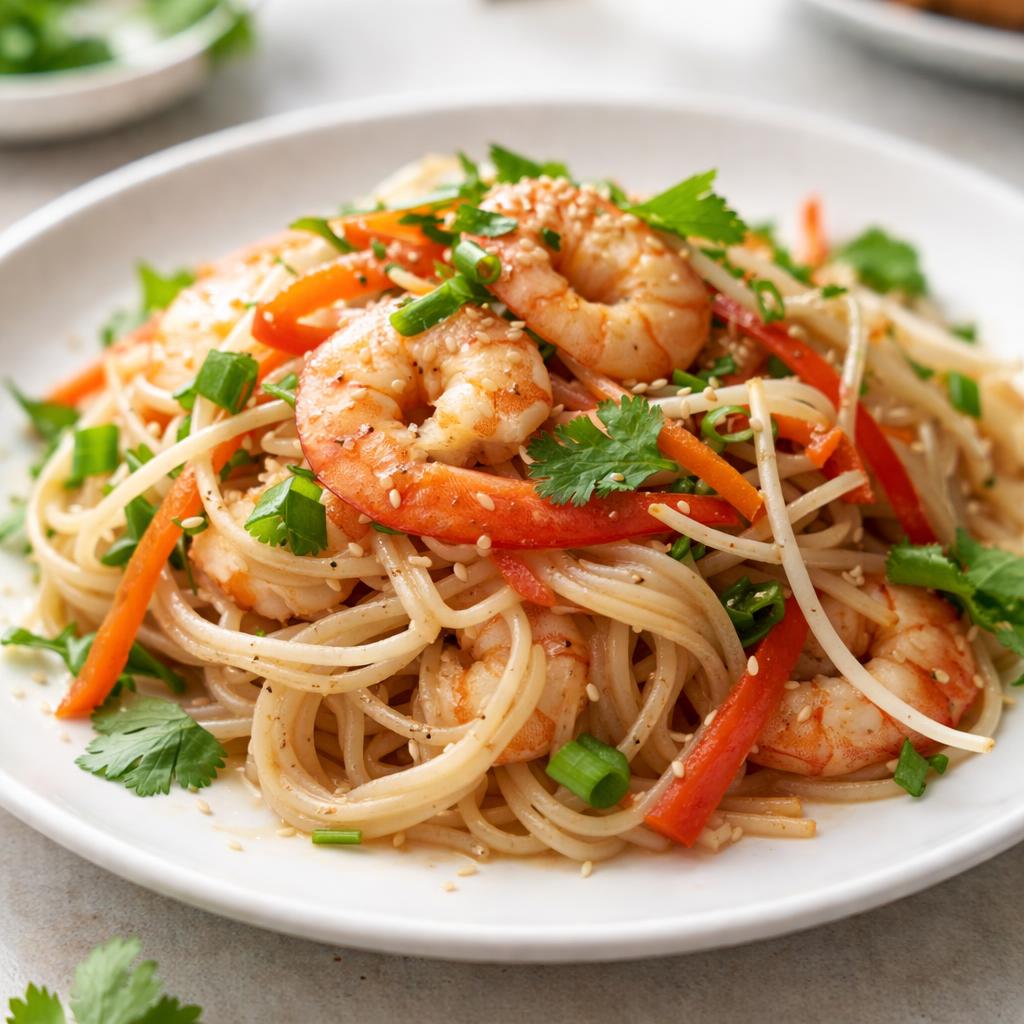
Rice Noodle
🎯 Quick Verdict
Egg noodles are richer in protein and dietary fiber, making them a better choice for muscle maintenance and digestion. Rice noodles are lower in calories and carbs, which may suit calorie-conscious or gluten-sensitive diets. Both are tasty options for varied cuisines but serve different nutritional purposes.

Smart Nutrition Tracking with SnapCalorie

📊 Nutritional Comparison
Macronutrients
| Nutrient | Food 1 | Food 2 | Winner |
|---|---|---|---|
| Calories | 221 | 192 | ✓ |
| Protein | 7g | 2g | ✓ |
| Carbs | 40g | 43g | ✓ |
| Fat | 3g | 0.4g | ✓ |
| Fiber | 2g | 0.7g | ✓ |
Vitamins & Minerals
| Nutrient | Food 1 | Food 2 | Winner |
|---|---|---|---|
| Vitamin B1 (Thiamine) | 0.2mg | 0.02mg | ✓ |
| Iron | 1.9mg | 0.2mg | ✓ |
| Calcium | 20mg | 9mg | ✓ |
🏆 Category Winners
Protein
Egg noodles contain over 3x more protein than rice noodles per serving.
Fiber
Egg noodles deliver nearly 3x more fiber for better digestion.
Calories
Rice noodles are lower in calories, making them preferable for calorie-focused diets.
Vitamins
Egg noodles provide significantly more Vitamin B1, calcium, and iron.
🥗 Diet Compatibility
Keto
Food 1: Not Compatible
Food 2: Compatible
Rice noodles have fewer carbs, which aligns better with keto restrictions.
Vegan
Food 1: Not Compatible
Food 2: Compatible
Egg noodles contain egg, whereas rice noodles are plant-based.
Gluten Free
Food 1: Not Compatible
Food 2: Compatible
Rice noodles are naturally gluten-free, whereas egg noodles contain wheat.
Paleo
Food 1: Not Compatible
Food 2: Compatible
Rice noodles fit paleo guidelines better since they are grain based but gluten-free.
Low-Carb
Food 1: Not Compatible
Food 2: Compatible
Rice noodles are lower in carbs compared to egg noodles.
💪 Health Benefits Comparison
Food 1 Benefits
- High protein content supports muscle growth and repair.
- Contains more dietary fiber for improved digestion.
- Provides higher levels of essential vitamins like iron and calcium.
Food 2 Benefits
- Low in calories, ideal for weight management.
- Gluten-free and suitable for individuals with gluten sensitivity.
- Light and easy to digest, making it a good option for sensitive stomachs.
✅ The Bottom Line
Egg noodles are ideal for individuals needing higher protein and fiber, such as those with active lifestyles or looking for better digestion. Rice noodles excel for gluten-sensitive, vegan, or calorie-conscious diets. Both serve unique roles in meal planning depending on dietary goals.
Choose Food 1 for: Active lifestyles, protein-focused diets, increased fiber needs
Choose Food 2 for: Weight management, gluten-free, vegan-friendly, light meals


