Egg Noodles VS Buldak Noodles
A detailed nutritional comparison
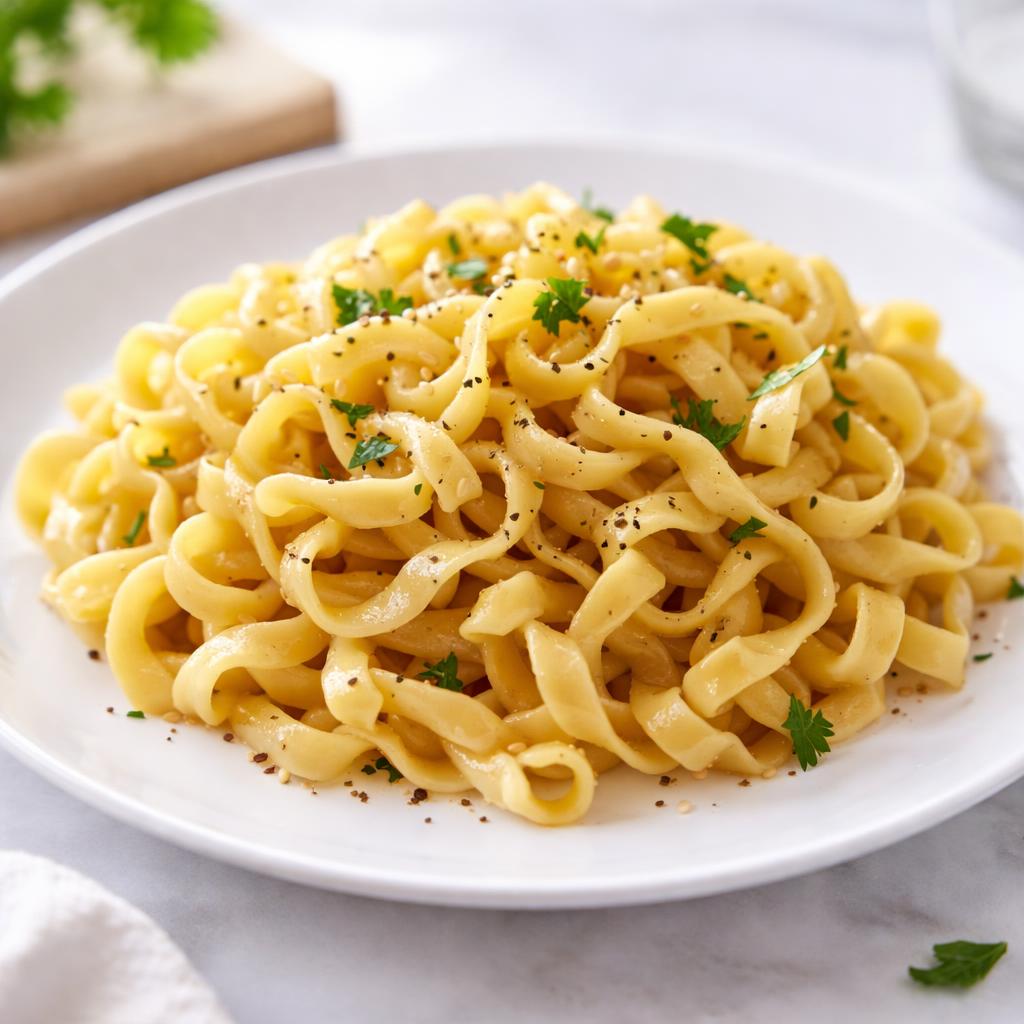
Egg Noodles
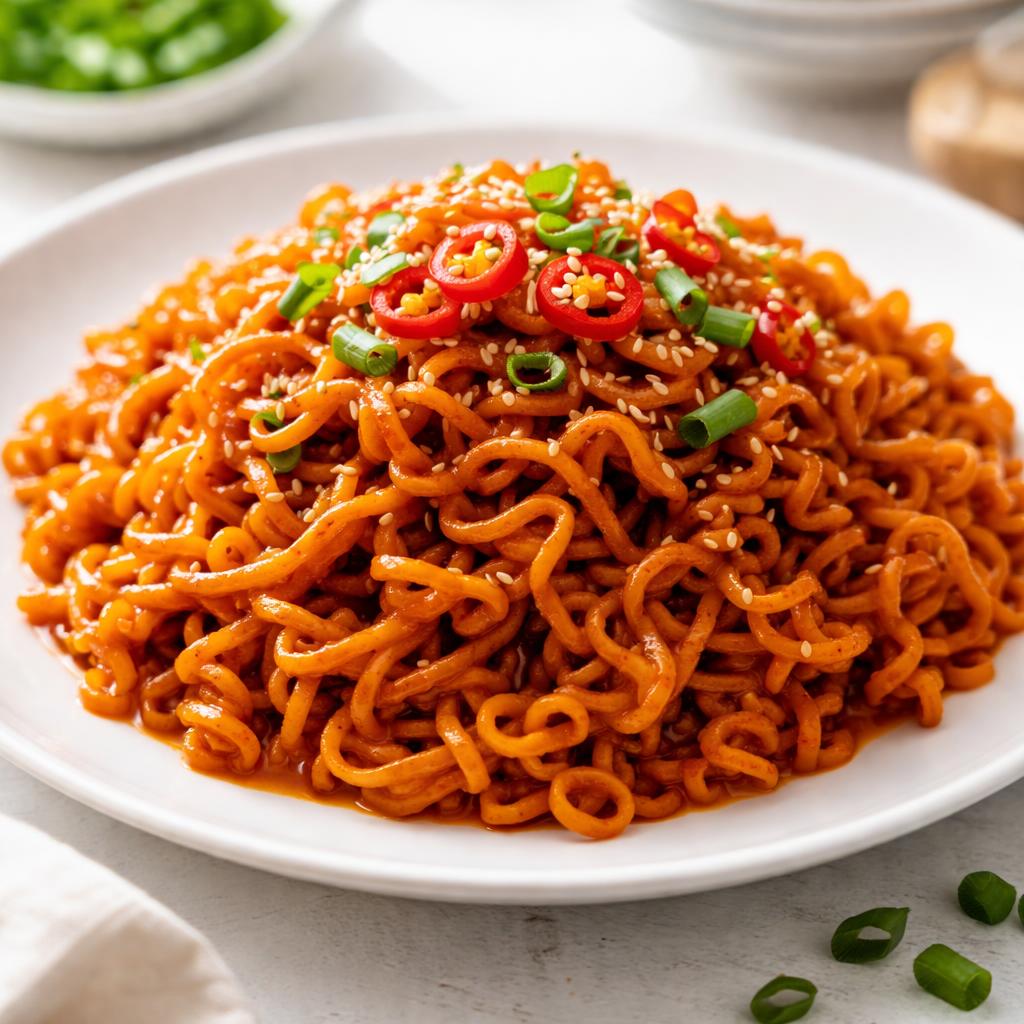
Buldak Noodles
🎯 Quick Verdict
Egg noodles are lower in calories and higher in protein compared to buldak noodles, making them a better choice for weight management and muscle building. Buldak noodles, known for their spicy flavor, provide more fiber and fats, offering sustained energy for active days or those desiring a flavorful indulgence.

Smart Nutrition Tracking with SnapCalorie

📊 Nutritional Comparison
Macronutrients
| Nutrient | Food 1 | Food 2 | Winner |
|---|---|---|---|
| Calories | 221 (per 1 cup cooked) | 550 (per serving with sauce) | ✓ |
| Protein | 7g | 5g | ✓ |
| Carbs | 40g | 85g | ✓ |
| Fat | 2g | 18g | ✓ |
| Fiber | 1g | 3g | ✓ |
Vitamins & Minerals
| Nutrient | Food 1 | Food 2 | Winner |
|---|---|---|---|
| Vitamin D | 0mcg | 0mcg | − |
| Calcium | 20mg | 40mg | ✓ |
| Iron | 1.6mg | 2mg | ✓ |
🏆 Category Winners
Protein
Egg noodles have 40% more protein per serving than buldak noodles.
Fiber
Buldak noodles contain three times more fiber than egg noodles.
Calories
Egg noodles are significantly lower in calories compared to buldak noodles.
Vitamins
Buldak noodles provide slightly more calcium and iron per serving.
🥗 Diet Compatibility
Keto
Food 1: Not Compatible
Food 2: Not Compatible
Both foods are high in carbs.
Vegan
Food 1: Not Compatible
Food 2: Not Compatible
Egg noodles contain egg; Buldak noodles use flavoring that may include animal-derived ingredients.
Gluten Free
Food 1: Not Compatible
Food 2: Not Compatible
Both foods contain wheat-based noodles.
Paleo
Food 1: Not Compatible
Food 2: Not Compatible
Neither conforms to paleo standards due to processed ingredients and grains.
Low Carb
Food 1: Not Compatible
Food 2: Not Compatible
Both are high in carbohydrates and not suitable for low-carb diets.
💪 Health Benefits Comparison
Food 1 Benefits
- Lower in calories, supporting weight management
- Higher protein content promotes muscle maintenance
- Quick to cook and versatile for balanced meals
Food 2 Benefits
- High in fiber for improved digestion
- Provides sustained energy from complex carbs
- Flavorful and satisfying for spicy cravings
✅ The Bottom Line
Egg noodles are the practical choice for those focused on weight management and protein intake, while buldak noodles are ideal for spicy food lovers who value fiber and sustained energy. Choose egg noodles for balanced meals and buldak noodles for flavorful indulgence.
Choose Food 1 for: Muscle building, lower calorie meals, versatile dishes
Choose Food 2 for: Spicy cravings, high energy needs, digestion


