Egg Fried Rice VS Tuna Pasta
A detailed nutritional comparison
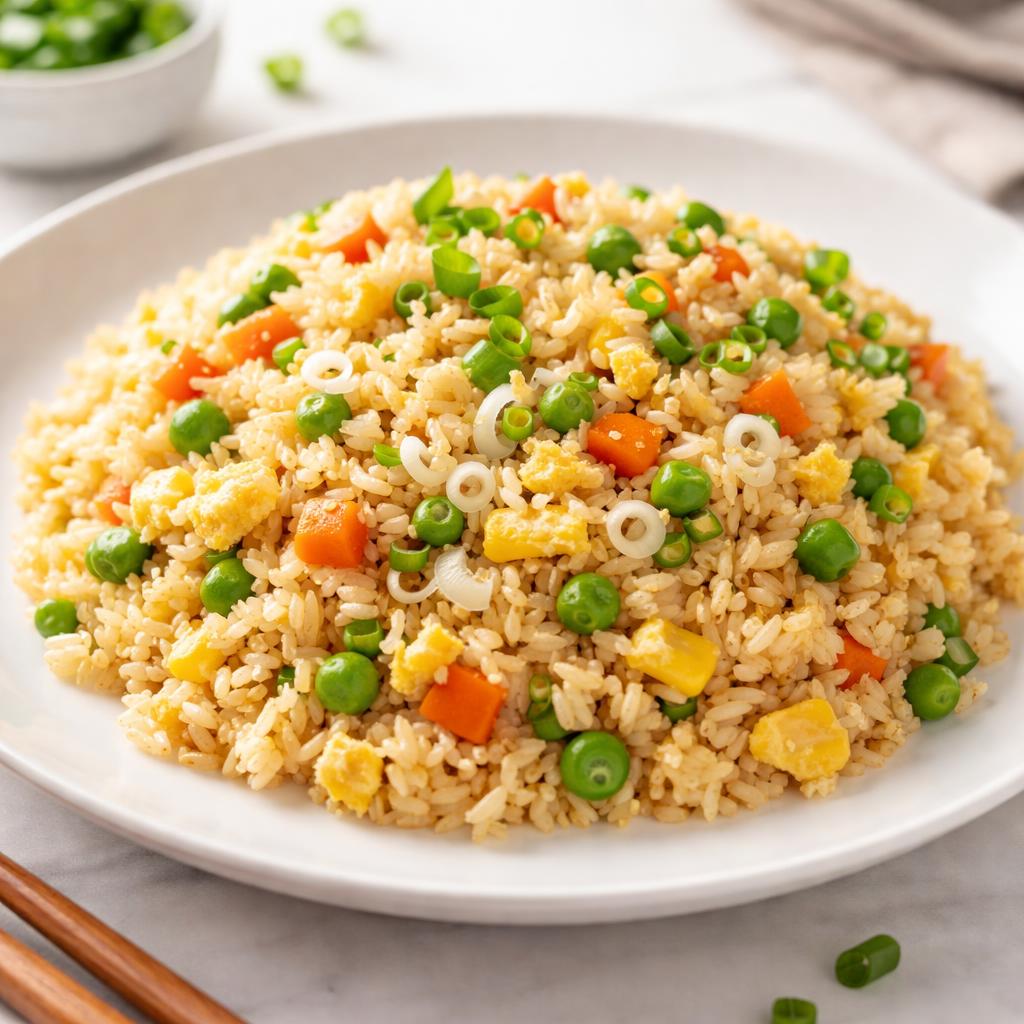
Egg Fried Rice
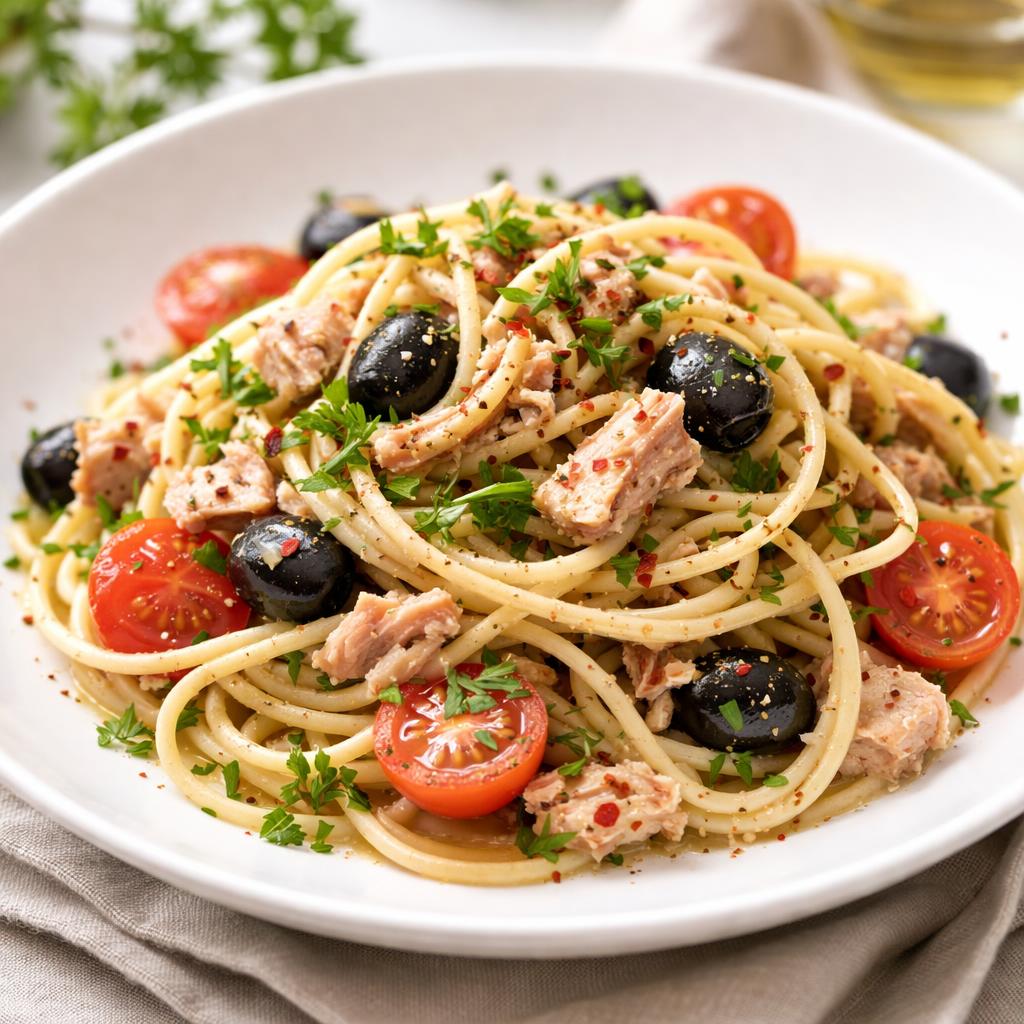
Tuna Pasta
🎯 Quick Verdict
Tuna pasta offers higher protein (17g vs 12g) and fiber (4g vs 2g) per serving, making it better for muscle building and digestion. Egg fried rice is lower in calories (around 220 vs 300 calories) and simply prepared, suitable for lighter meals or weight-conscious diets. Both are nutrient-dense options with distinct advantages based on dietary needs.

Smart Nutrition Tracking with SnapCalorie

📊 Nutritional Comparison
Macronutrients
| Nutrient | Food 1 | Food 2 | Winner |
|---|---|---|---|
| Calories | 220 | 300 | ✓ |
| Protein | 12g | 17g | ✓ |
| Carbs | 28g | 40g | ✓ |
| Fat | 7g | 10g | ✓ |
| Fiber | 2g | 4g | ✓ |
Vitamins & Minerals
| Nutrient | Food 1 | Food 2 | Winner |
|---|---|---|---|
| Vitamin D | 1mcg | 3mcg | ✓ |
| Calcium | 50mg | 70mg | ✓ |
| Iron | 1.5mg | 2.5mg | ✓ |
| Omega-3 | 0g | 0.8g | ✓ |
🏆 Category Winners
Protein
Tuna pasta contains 42% more protein per serving.
Fiber
Tuna pasta provides double the fiber content.
Calories
Egg fried rice has 27% fewer calories per serving.
Vitamins
Tuna pasta supplies higher levels of vitamin D, calcium, and iron.
🥗 Diet Compatibility
Keto
Food 1: Not Compatible
Food 2: Not Compatible
Both are moderate-carb dishes, unsuitable for keto diets.
Vegan
Food 1: Not Compatible
Food 2: Not Compatible
Both contain animal-based ingredients (eggs in rice, tuna in pasta).
Gluten Free
Food 1: Not Compatible
Food 2: Not Compatible
Rice may contain soy sauce with gluten; pasta tends to use wheat.
Paleo
Food 1: Not Compatible
Food 2: Not Compatible
Paleo does not permit rice or pasta as staple ingredients.
Low Carb
Food 1: Not Compatible
Food 2: Not Compatible
Both dishes are high in carbohydrates, above typical low-carb thresholds.
💪 Health Benefits Comparison
Food 1 Benefits
- Lower in calories, suitable for weight management
- Provides quick energy from simple carbohydrates
- Contains egg protein for muscle repair
Food 2 Benefits
- Rich in protein for muscle maintenance and building
- High in omega-3s for heart and brain health
- Offers fiber for improved digestion
✅ The Bottom Line
Choose egg fried rice for calorie-conscious meals or lighter options. Opt for tuna pasta if you need high protein, fiber, and nutrient density for energy or post-workout recovery. Both are versatile but differ in their core nutritional strengths.
Choose Food 1 for: Weight management, quick energy meals, simple homemade dishes
Choose Food 2 for: Muscle building, heart health, nutrient-dense energy-packed meals


