Egg Fried Rice VS Rice And Beans
A detailed nutritional comparison
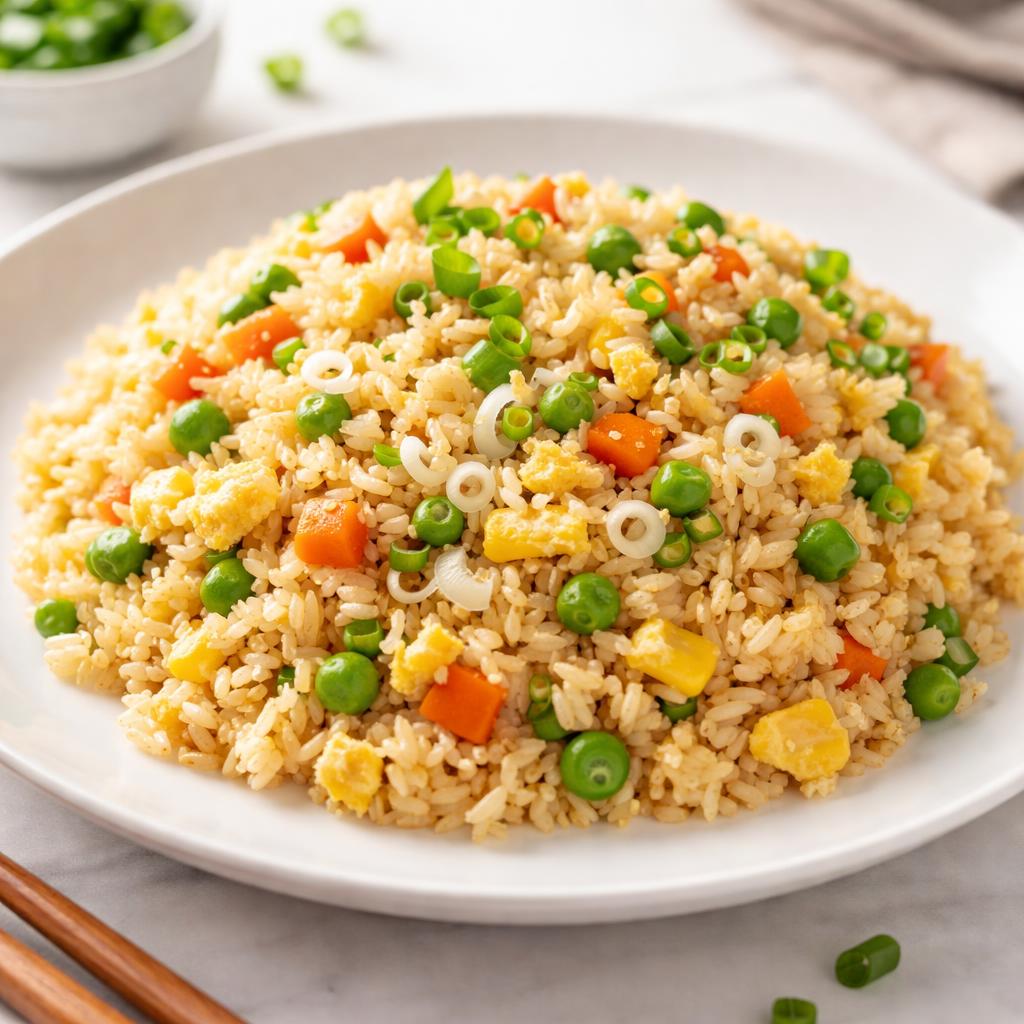
Egg Fried Rice
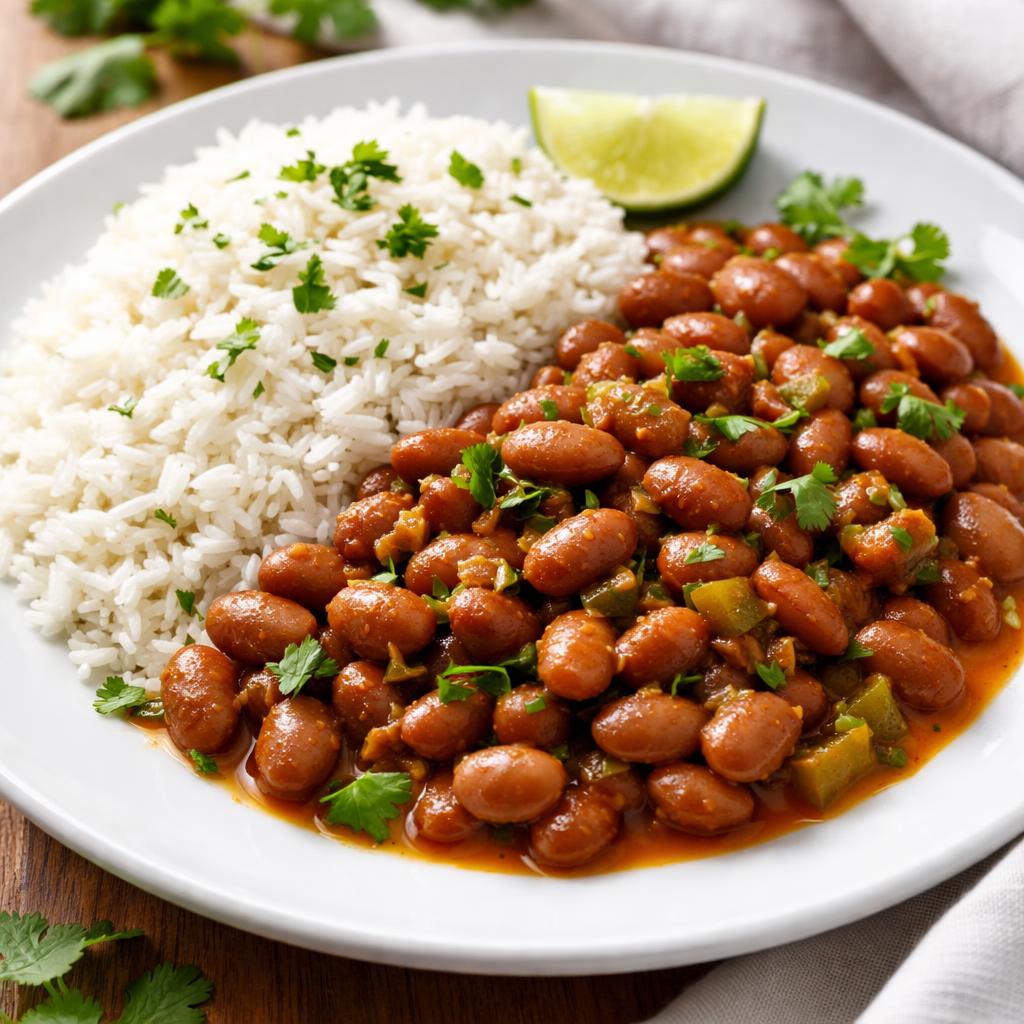
Rice And Beans
🎯 Quick Verdict
Rice and beans outshine egg fried rice in several nutritional aspects, offering more protein, fiber, and fewer calories per serving. Egg fried rice, however, is richer in fats and has a more indulgent flavor profile. Rice and beans are ideal for plant-based or nutrient-dense meals, while egg fried rice suits a quick energy-dense option for active lifestyles.

Smart Nutrition Tracking with SnapCalorie

📊 Nutritional Comparison
Macronutrients
| Nutrient | Food 1 | Food 2 | Winner |
|---|---|---|---|
| Calories | 300 | 250 | ✓ |
| Protein | 8g | 10g | ✓ |
| Carbs | 45g | 40g | ✓ |
| Fat | 12g | 3g | ✓ |
| Fiber | 2g | 7g | ✓ |
Vitamins & Minerals
| Nutrient | Food 1 | Food 2 | Winner |
|---|---|---|---|
| Vitamin C | 0mg | 4mg | ✓ |
| Iron | 1.2mg | 2.5mg | ✓ |
| Calcium | 20mg | 40mg | ✓ |
🏆 Category Winners
Protein
Rice and beans have 25% more protein due to legumes.
Fiber
Food2 is rich in beans, which contribute five times more fiber than Food1.
Calories
Rice and beans have 16% fewer calories per serving.
Vitamins
Overall, rice and beans provide more micronutrients including Vitamin C and iron.
🥗 Diet Compatibility
Keto
Food 1: Not Compatible
Food 2: Not Compatible
Both foods are high in carbs, making them unsuitable for keto diets.
Vegan
Food 1: Not Compatible
Food 2: Compatible
Egg fried rice contains egg, which is animal-based, while rice and beans are fully plant-based.
Gluten Free
Food 1: Compatible
Food 2: Compatible
Neither contains gluten.
Paleo
Food 1: Not Compatible
Food 2: Not Compatible
Neither food aligns with paleo guidelines due to grains and beans.
Low-Carb
Food 1: Not Compatible
Food 2: Not Compatible
Both are high-carb meals with rice as the base ingredient.
💪 Health Benefits Comparison
Food 1 Benefits
- Energy-dense meal suitable for active lifestyles
- Provides dietary fats for brain function
- Contains selenium and choline from eggs for metabolism support
Food 2 Benefits
- Rich in protein for muscle repair and growth
- High fiber content promotes gut health
- Source of iron and Vitamin C for improved immunity
✅ The Bottom Line
Choose rice and beans for a plant-based, nutrient-dense meal, especially if you're aiming for higher protein and fiber with fewer calories. Egg fried rice is better suited for individuals looking for a richer, more flavorful energy boost, albeit higher in fats. Both foods are excellent in specific contexts.
Choose Food 1 for: Quick energy, indulgent meals, active individuals
Choose Food 2 for: Plant-based diets, high-fiber nutrient goals, weight management


