Cucumber VS Zucchini
A detailed nutritional comparison
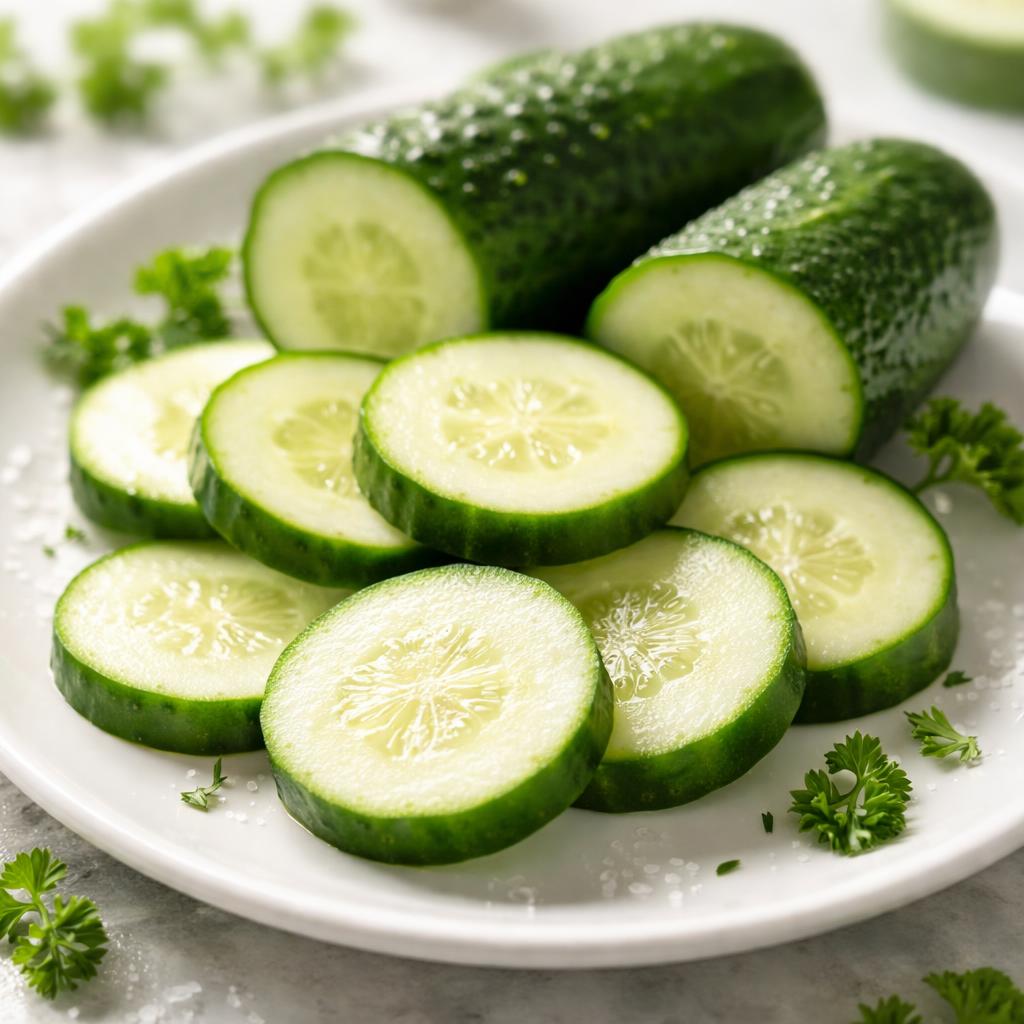
Cucumber
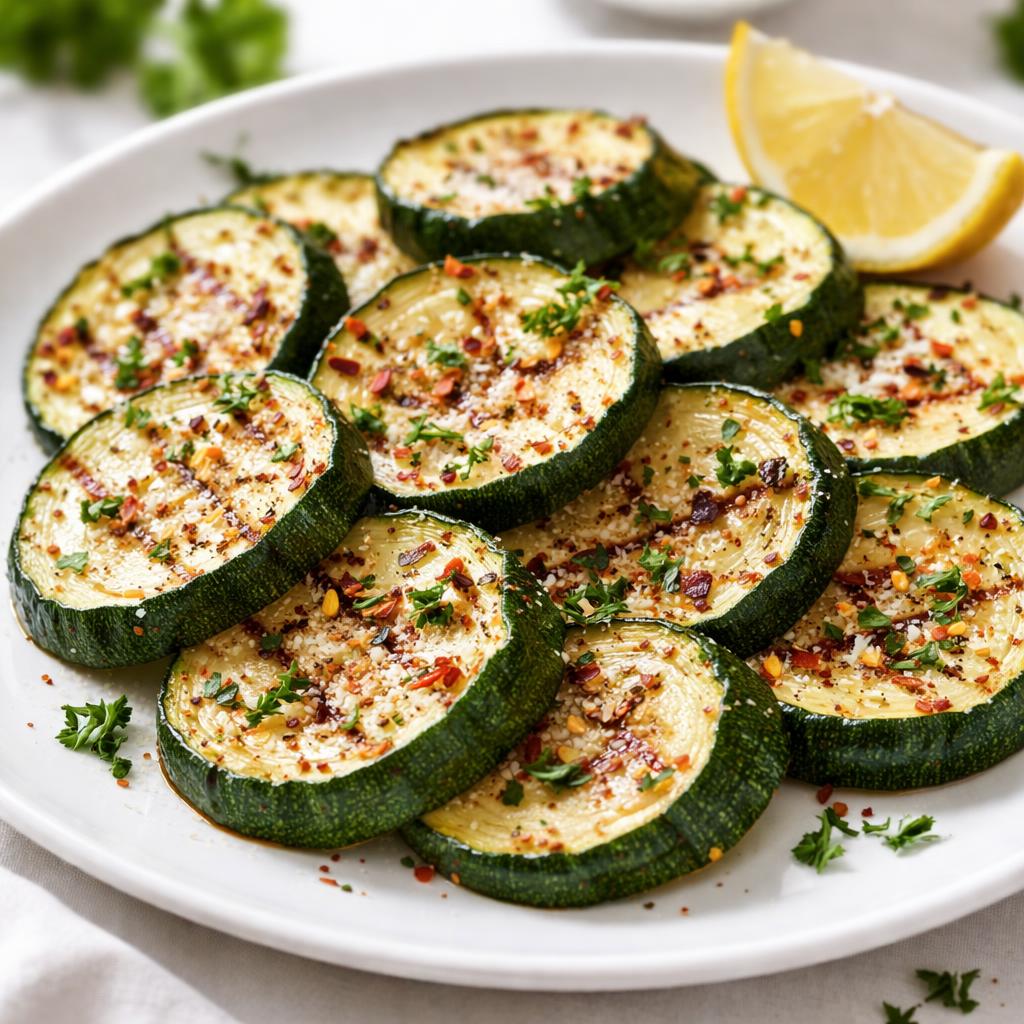
Zucchini
🎯 Quick Verdict
Both cucumber and zucchini are low-calorie, hydrating vegetables ideal for light meals or snacks. Zucchini stands out for having slightly more protein and fiber, making it a better choice for satiety and digestion. Cucumber excels in hydration due to its higher water content and is extremely versatile in raw dishes and beverages.

Smart Nutrition Tracking with SnapCalorie

📊 Nutritional Comparison
Macronutrients
| Nutrient | Food 1 | Food 2 | Winner |
|---|---|---|---|
| Calories | 15 calories per 100g | 17 calories per 100g | − |
| Protein | 0.6g per 100g | 1.2g per 100g | − |
| Carbs | 3.6g per 100g | 3.1g per 100g | − |
| Fat | 0.1g per 100g | 0.3g per 100g | − |
| Fiber | 0.5g per 100g | 1g per 100g | − |
Vitamins & Minerals
| Nutrient | Food 1 | Food 2 | Winner |
|---|---|---|---|
| Vitamin C | 2.8mg per 100g | 17.9mg per 100g | − |
| Vitamin A | 3mcg per 100g | 200mcg per 100g | − |
| Vitamin K | 16mg per 100g | 4mg per 100g | − |
🏆 Category Winners
Protein
Zucchini has twice the protein content compared to cucumber.
Fiber
Zucchini provides double the fiber content.
Calories
Both are nearly identical in calorie content.
🥗 Diet Compatibility
Keto
Food 1: Compatible
Food 2: Compatible
Both are very low in carbs.
Vegan
Food 1: Compatible
Food 2: Compatible
Both foods are plant-based.
Gluten Free
Food 1: Compatible
Food 2: Compatible
Neither contains gluten.
Paleo
Food 1: Compatible
Food 2: Compatible
Both align with paleo dietary principles.
Low-Carb
Food 1: Compatible
Food 2: Compatible
Both are naturally low in carbohydrates.
💪 Health Benefits Comparison
Food 1 Benefits
- Extremely hydrating given its high water content (~95%)
- Low-calorie snack ideal for weight management
- Contains antioxidants that may support skin health
- Rich in vitamin K for bone and blood health
Food 2 Benefits
- Higher fiber content aids in digestion
- Contains more vitamin C for immune system support
- Rich in vitamin A for eye health and skin regeneration
- Low-carb and versatile for keto or paleo diets
✅ The Bottom Line
Cucumber and zucchini both shine as low-calorie vegetables. Choose cucumber for hydration, refreshing snacks, and salads, while zucchini is better for higher fiber, vitamin C, and more protein, making it ideal for cooked dishes or heartier meals.
Choose Food 1 for: Hydration, weight management, raw applications like salads or infused water
Choose Food 2 for: Digestion, immune health, cooked dishes like stir-fries, soups, and low-carb substitutes


