Cucumber VS White Wine
A detailed nutritional comparison
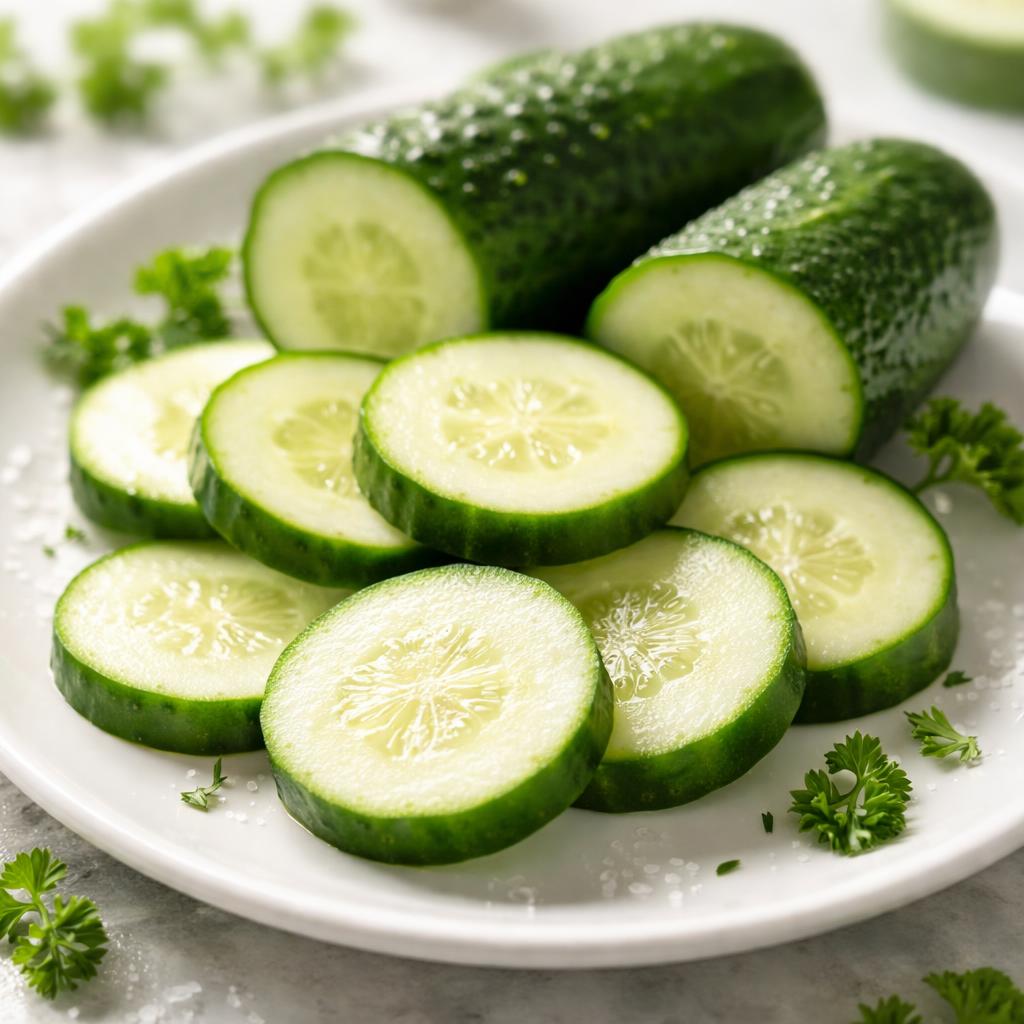
Cucumber
White Wine
🎯 Quick Verdict
Cucumber and white wine are vastly different in their nutrition and use cases. Cucumber is a low-calorie, nutrient-rich vegetable with fiber and hydration benefits, while white wine is a high-calorie beverage with no fiber or protein but contains small amounts of antioxidants. Cucumber is better suited for healthy eating, while white wine may be enjoyed occasionally for leisure and social purposes.

Smart Nutrition Tracking with SnapCalorie

📊 Nutritional Comparison
Macronutrients
| Nutrient | Food 1 | Food 2 | Winner |
|---|---|---|---|
| Calories | 16 (per 100g) | 82 (per 100ml) | ✓ |
| Protein | 0.7g | 0g | − |
| Carbs | 3.6g | 2.6g | ✓ |
| Fat | 0.1g | 0g | ✓ |
| Fiber | 0.5g | 0g | ✓ |
Vitamins & Minerals
| Nutrient | Food 1 | Food 2 | Winner |
|---|---|---|---|
| Vitamin C | 2.8mg | 0mg | ✓ |
| Potassium | 147mg | 99mg | ✓ |
| Magnesium | 12mg | 10mg | ✓ |
🏆 Category Winners
Protein
Neither food provides significant protein.
Fiber
Cucumber contains 0.5g of fiber, while white wine provides none.
Calories
Cucumber has significantly fewer calories per serving (16 vs 82).
🥗 Diet Compatibility
Keto
Food 1: Compatible
Food 2: Compatible
Both are low in carbs, though wine should be consumed in moderation.
Vegan
Food 1: Compatible
Food 2: Compatible
Both are plant-based and vegan-friendly.
Gluten Free
Food 1: Compatible
Food 2: Compatible
Neither contains gluten.
Paleo
Food 1: Compatible
Food 2: Not Compatible
Cucumber aligns with paleo principles, but wine does not due to its processed nature.
Low Carb
Food 1: Compatible
Food 2: Compatible
Both are low-carb options, but cucumber is better due to fewer calories.
💪 Health Benefits Comparison
Food 1 Benefits
- Low in calories, ideal for weight management
- Rich in hydration due to high water content (95%)
- Contains antioxidants that may support skin health
- Good source of potassium and vitamin C for heart and immune health
Food 2 Benefits
- Contains antioxidants that may contribute to heart health
- Moderate consumption linked to potential relaxation effects
- Mineral content includes magnesium and potassium
✅ The Bottom Line
Choose cucumber for a healthy snack, hydration, and low-calorie options. Use white wine sparingly if desired for social or occasional enjoyment, but consider its higher calorie content and lack of fiber. Both can coexist in a balanced diet when used appropriately.
Choose Food 1 for: Weight management, hydration, clean eating
Choose Food 2 for: Leisure, social occasions, occasional antioxidant intake


