Cucumber VS Watermelon
A detailed nutritional comparison
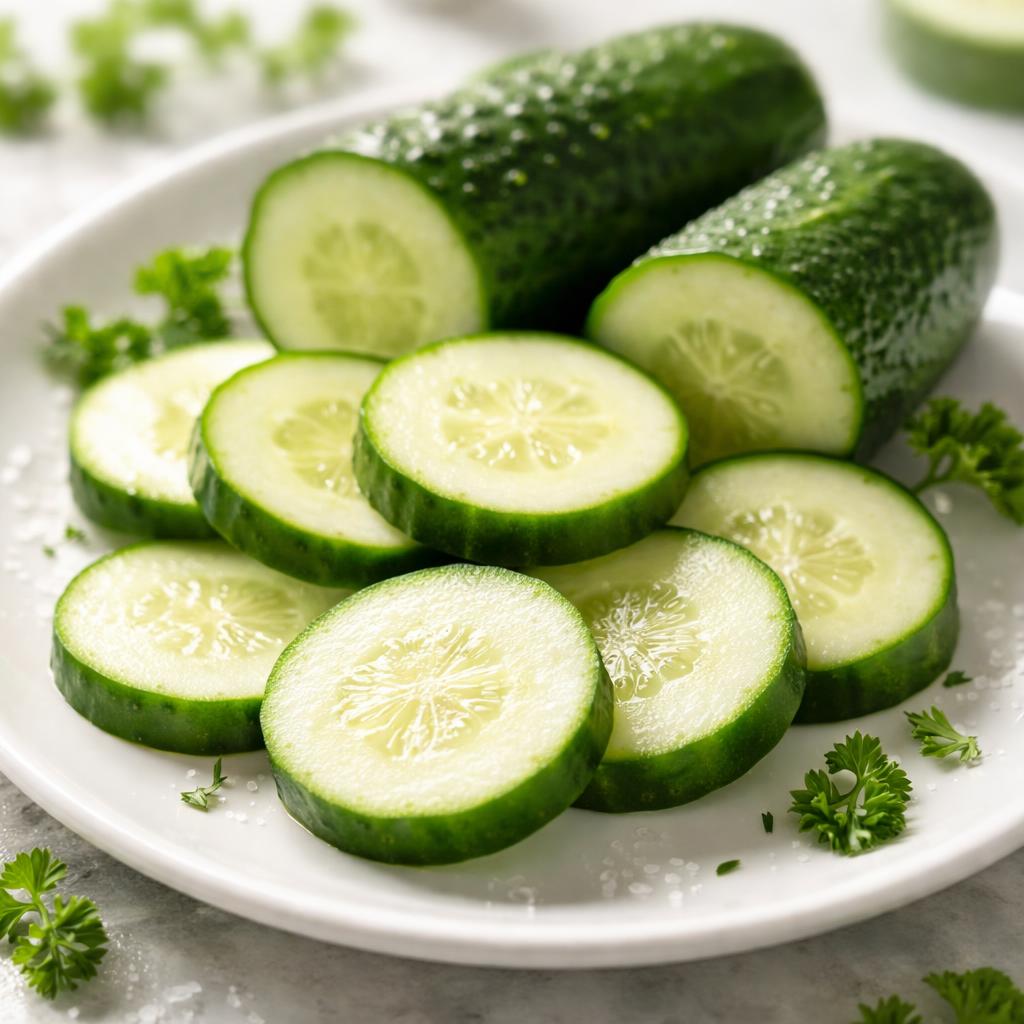
Cucumber
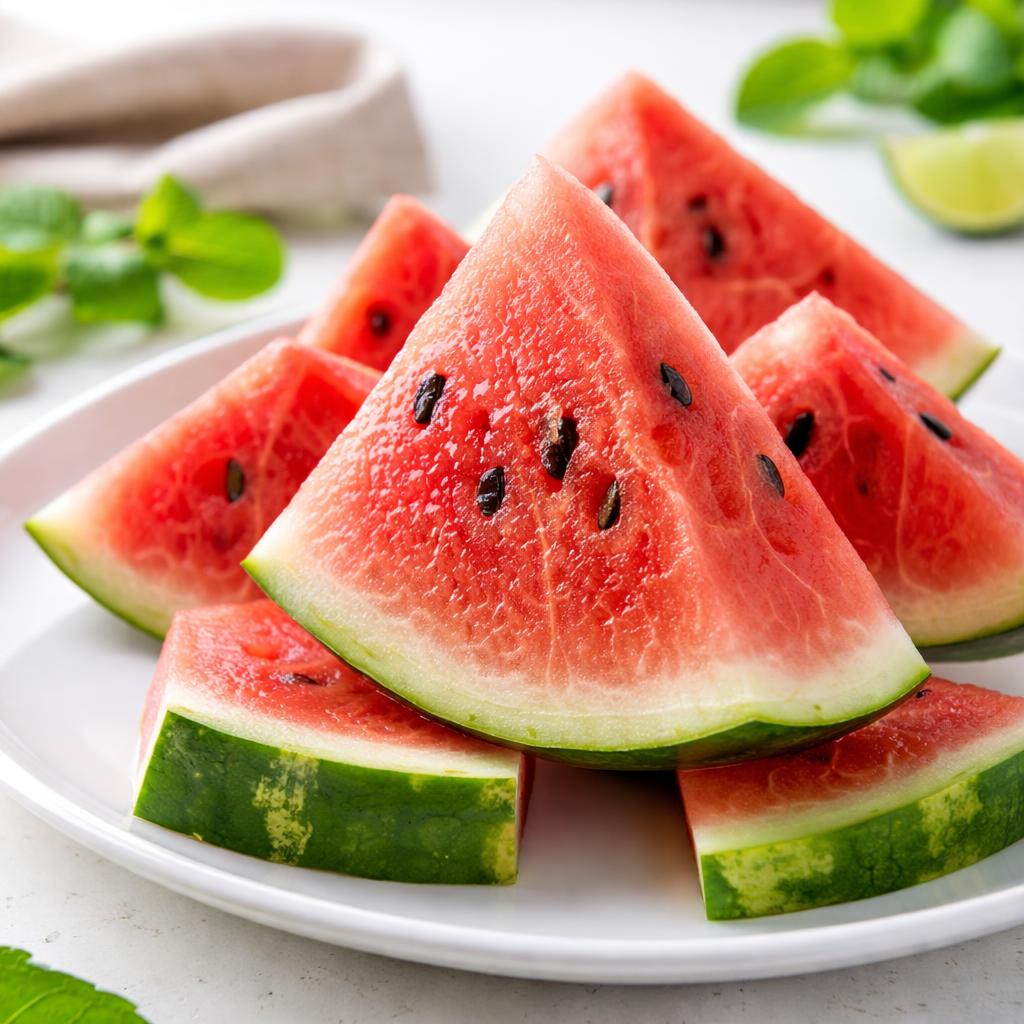
Watermelon
🎯 Quick Verdict
Cucumbers are lower in calories and offer more fiber and a slight edge in protein, making them ideal for weight loss and digestive health. Watermelon is slightly higher in natural sugars and provides more hydration due to its water content, making it a great choice for summer or post-workout snacks.

Smart Nutrition Tracking with SnapCalorie

📊 Nutritional Comparison
Macronutrients
| Nutrient | Food 1 | Food 2 | Winner |
|---|---|---|---|
| Calories | 16 per 100g | 30 per 100g | − |
| Protein | 0.7g | 0.6g | − |
| Carbs | 3.6g | 7.6g | − |
| Fat | 0.1g | 0.2g | − |
| Fiber | 0.5g | 0.4g | − |
Vitamins & Minerals
| Nutrient | Food 1 | Food 2 | Winner |
|---|---|---|---|
| Vitamin C | 2.8mg | 8.1mg | − |
| Vitamin A | 7mcg | 569mcg | − |
| Potassium | 147mg | 112mg | − |
| Magnesium | 13mg | 10mg | − |
🏆 Category Winners
Protein
Cucumber has slightly more protein per 100g, although the difference is minimal.
Fiber
Cucumber edges out watermelon with 0.5g of fiber compared to 0.4g.
Calories
Cucumbers are much lower in calories, with 16 calories per 100g versus 30 calories for watermelon.
Vitamins
Watermelon offers significantly more Vitamin A and Vitamin C than cucumber.
🥗 Diet Compatibility
Keto
Food 1: Unknown
Food 2: Unknown
Cucumber has lower carbohydrates (3.6g per 100g) than watermelon (7.6g per 100g), making it keto-friendly.
Vegan
Food 1: Unknown
Food 2: Unknown
Both are plant-based and vegan-friendly foods.
Gluten Free
Food 1: Unknown
Food 2: Unknown
Neither food contains gluten.
Paleo
Food 1: Unknown
Food 2: Unknown
Both foods fit a paleo diet as whole, natural fruits and vegetables.
Low-Carb
Food 1: Unknown
Food 2: Unknown
Cucumber is lower in carbs and better suited for low-carb diets.
💪 Health Benefits Comparison
Food 1 Benefits
Food 2 Benefits
✅ The Bottom Line
Both cucumber and watermelon are healthy options but serve different purposes. Choose cucumber for weight management, low carbs, or hydration with electrolytes. Watermelon is great for hydration, Vitamin A and C intake, or as a refreshing snack in summer.


