Cucumber VS Tuna Salad
A detailed nutritional comparison
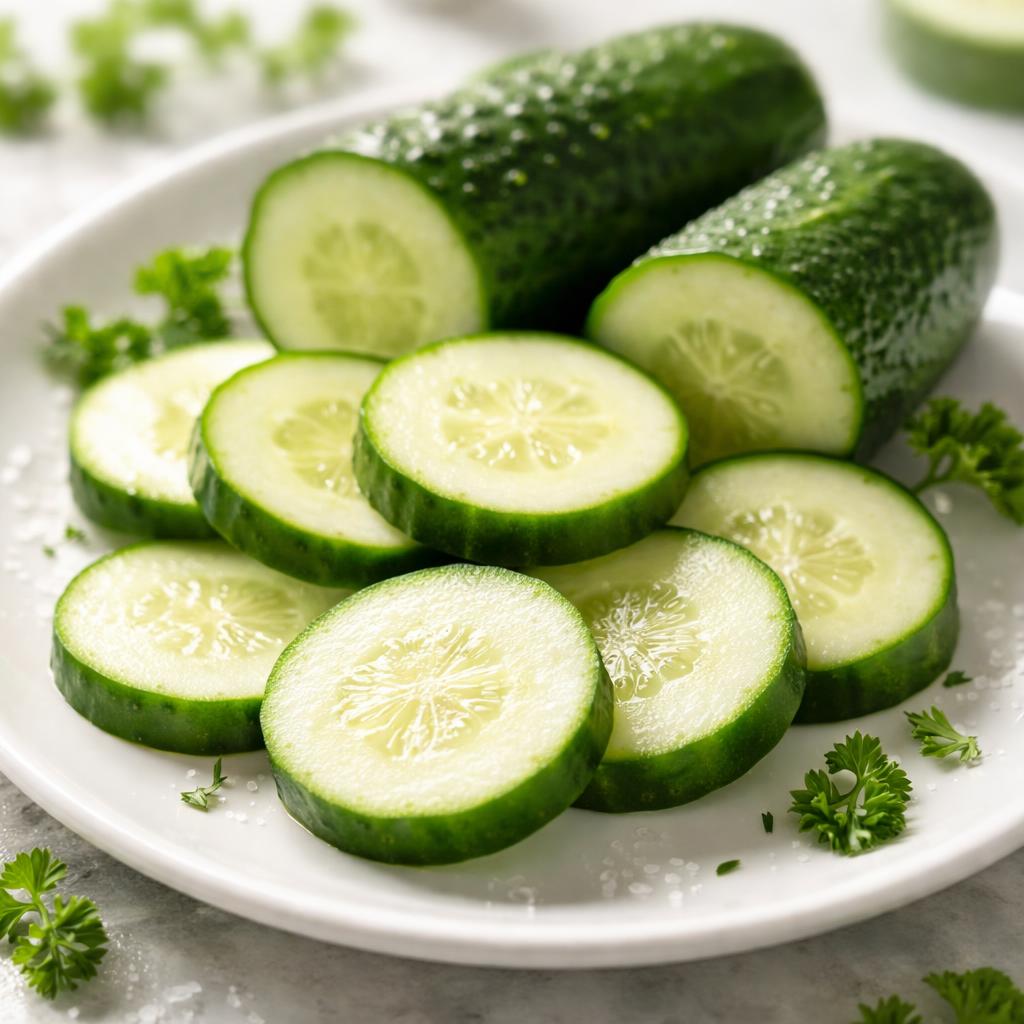
Cucumber
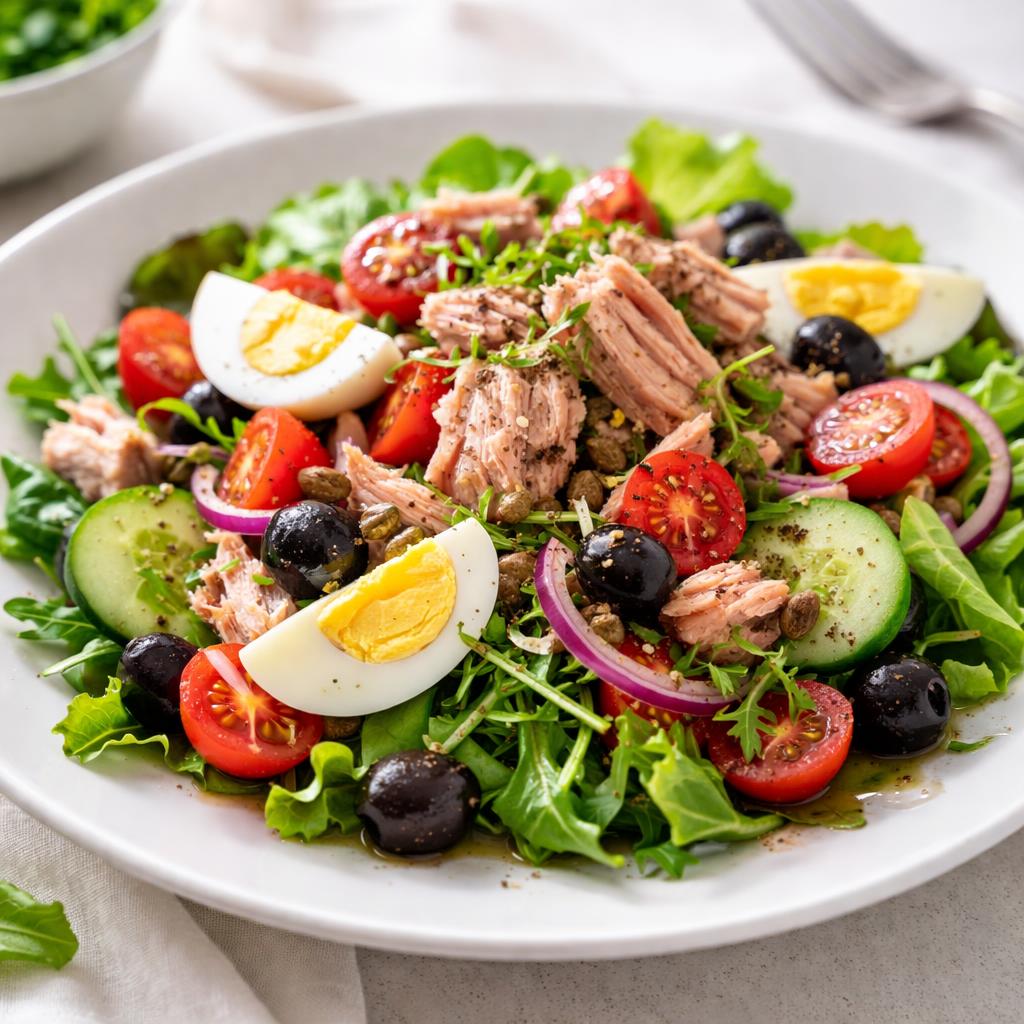
Tuna Salad
🎯 Quick Verdict
While cucumber is low-calorie, fiber-rich, and highly hydrating, tuna salad delivers significantly more protein and essential fats. For weight management and hydration, cucumber is excellent, whereas tuna salad is ideal for energy and muscle recovery due to its protein and healthy fat content.

Smart Nutrition Tracking with SnapCalorie

📊 Nutritional Comparison
Macronutrients
| Nutrient | Food 1 | Food 2 | Winner |
|---|---|---|---|
| Calories | 16 | 200 | ✓ |
| Protein | 0.6g | 14g | ✓ |
| Carbs | 3.6g | 10g | ✓ |
| Fat | 0.1g | 12g | ✓ |
| Fiber | 0.5g | 0.3g | ✓ |
Vitamins & Minerals
| Nutrient | Food 1 | Food 2 | Winner |
|---|---|---|---|
| Vitamin C | 3.2mg | 0mg | ✓ |
| Vitamin D | 0mcg | 2mcg | ✓ |
| Calcium | 14mg | 20mg | ✓ |
| Iron | 0.3mg | 1mg | ✓ |
| Potassium | 150mg | 250mg | ✓ |
🏆 Category Winners
Protein
Tuna salad is protein-rich at 14g per serving, while cucumber has negligible protein (0.6g).
Fiber
Cucumber has 66% more fiber per serving compared to tuna salad.
Calories
Cucumber is extremely low-calorie (16 calories vs 200 calories).
Vitamins
Cucumber excels in Vitamin C while tuna salad shines with Vitamin D and higher mineral content.
🥗 Diet Compatibility
Keto
Food 1: Compatible
Food 2: Compatible
Both are low in carbs, making them ketogenic-friendly.
Vegan
Food 1: Compatible
Food 2: Not Compatible
Cucumber is plant-based, whereas tuna salad contains animal-based ingredients.
Gluten Free
Food 1: Compatible
Food 2: Compatible
Neither contains gluten naturally.
Paleo
Food 1: Compatible
Food 2: Compatible
Both align with paleo principles, though tuna salad should have clean ingredients.
Low Carb
Food 1: Compatible
Food 2: Compatible
Both foods are relatively low in carbohydrates.
💪 Health Benefits Comparison
Food 1 Benefits
- Hydrating due to high water content (95%)
- Low-calorie snack for weight management
- Source of mild fiber for digestion and gut health
- Rich in Vitamin C for immune function
Food 2 Benefits
- High protein content supports muscle repair and growth
- Healthy fats (omega-3s, if using high-quality tuna) benefit heart and brain health
- Rich in minerals like potassium and iron for electrolyte balance and energy
- Includes Vitamin D, which supports bone and immune health
✅ The Bottom Line
Choose cucumber for hydrating, low-calorie snacks or fiber inclusion in meals, ideal for weight management and vegan diets. Opt for tuna salad for high-protein, nutrient-dense meals to promote muscle repair and provide sustained energy.
Choose Food 1 for: Low-calorie dieting, hydration, vegan meals, light snacks
Choose Food 2 for: Post-workout recovery, high-protein diets, satiating meals


