Cucumber VS Sliced Tomatoes
A detailed nutritional comparison
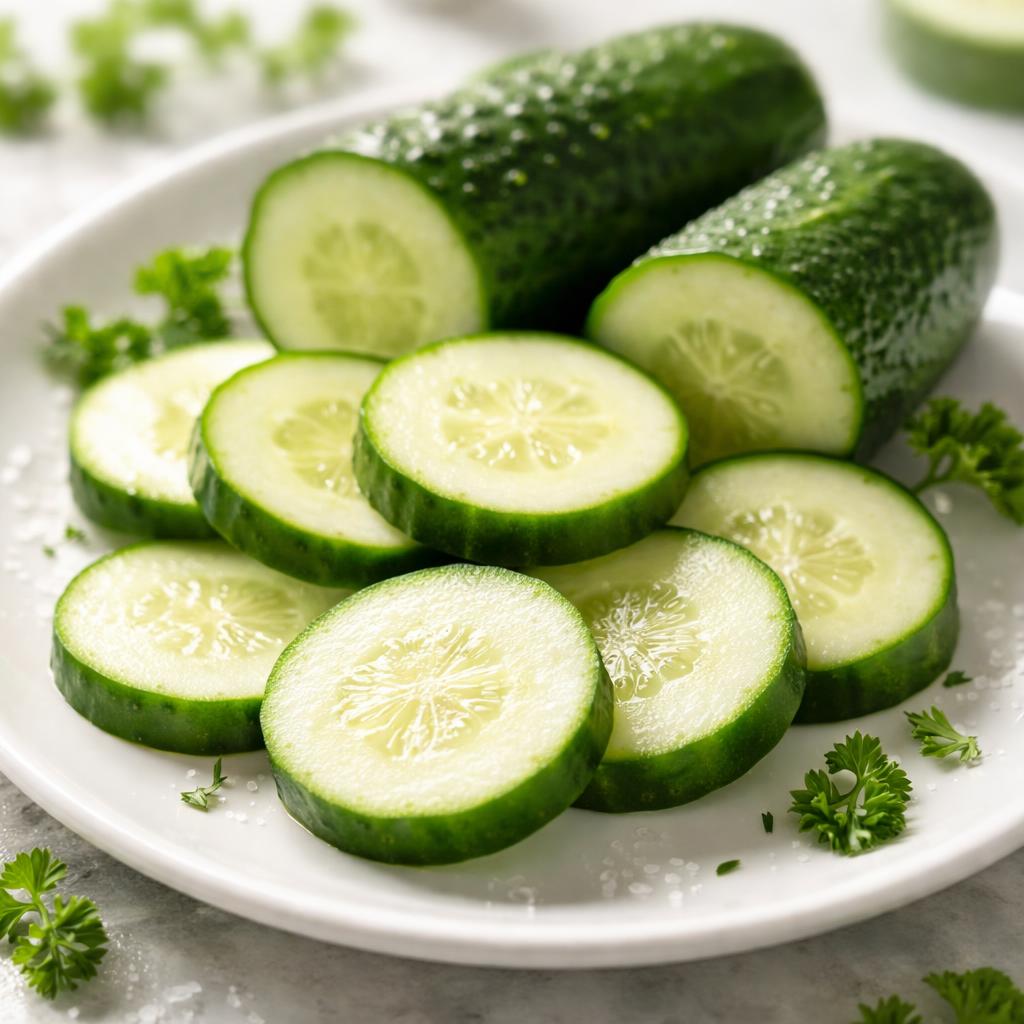
Cucumber
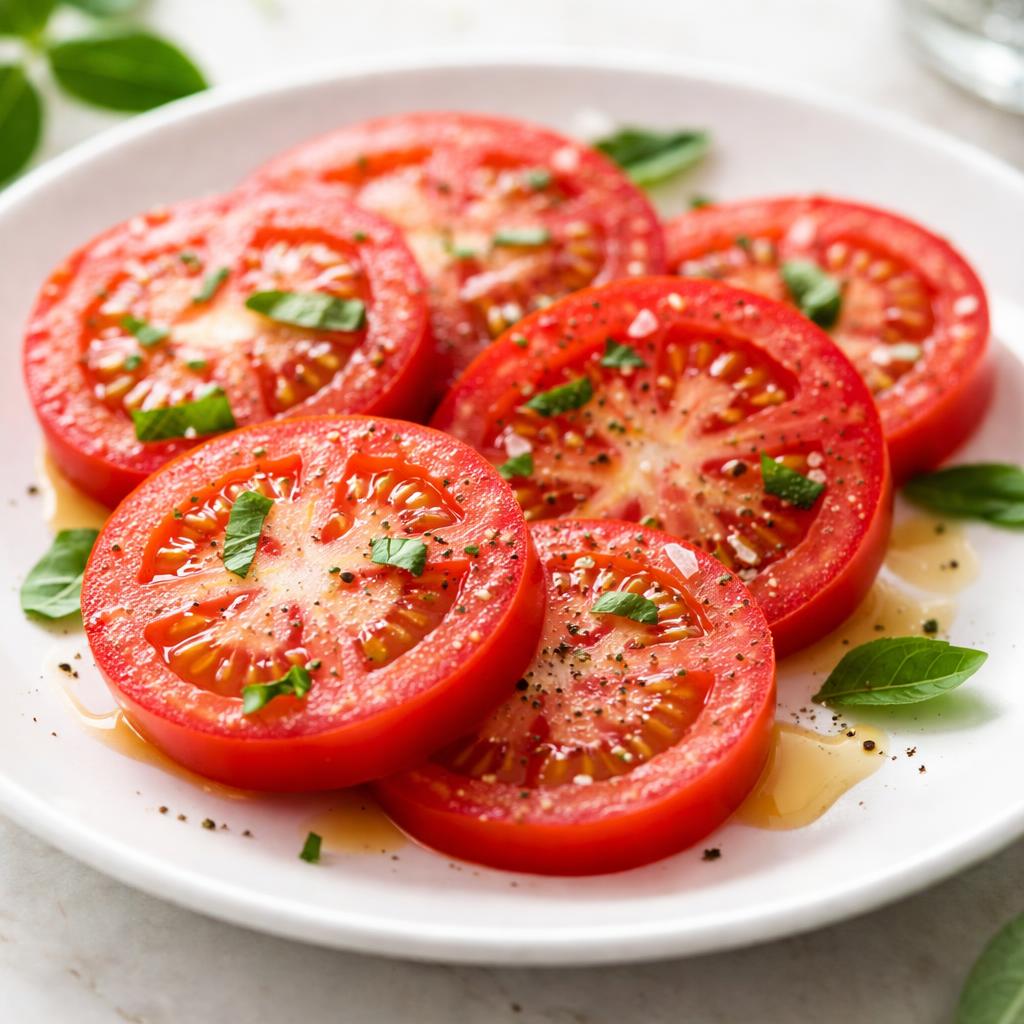
Sliced Tomatoes
🎯 Quick Verdict
Cucumber and sliced tomatoes are both excellent low-calorie options packed with water content, but tomatoes provide slightly more fiber and essential vitamins like Vitamin C and Vitamin A. Cucumber excels in hydration and has fewer calories, making it ideal for low-calorie and refreshing diets.

Smart Nutrition Tracking with SnapCalorie

📊 Nutritional Comparison
Macronutrients
| Nutrient | Food 1 | Food 2 | Winner |
|---|---|---|---|
| Calories | 15 (per 100g) | 18 (per 100g) | ✓ |
| Protein | 0.7g | 0.9g | − |
| Carbs | 3.6g | 3.9g | ✓ |
| Fat | 0.1g | 0.2g | ✓ |
| Fiber | 0.5g | 1.2g | ✓ |
Vitamins & Minerals
| Nutrient | Food 1 | Food 2 | Winner |
|---|---|---|---|
| Vitamin C | 2.8mg | 13.7mg | ✓ |
| Vitamin A | 105 IU | 833 IU | ✓ |
| Potassium | 150mg | 237mg | ✓ |
🏆 Category Winners
Protein
Both foods contain almost identical low amounts of protein.
Fiber
Tomatoes provide 2.4x more fiber, which aids digestion.
Calories
Cucumber is slightly lower in calories, ideal for weight management.
Vitamins
Tomatoes surpass cucumbers in Vitamin C, Vitamin A, and potassium content.
🥗 Diet Compatibility
Keto
Food 1: Compatible
Food 2: Compatible
Both are low-carb options suitable for keto diets.
Vegan
Food 1: Compatible
Food 2: Compatible
Both foods are entirely plant-based.
Gluten Free
Food 1: Compatible
Food 2: Compatible
Neither cucumber nor sliced tomatoes contain gluten.
Paleo
Food 1: Compatible
Food 2: Compatible
Both are whole, unprocessed foods suitable for paleo diets.
Low Carb
Food 1: Compatible
Food 2: Compatible
Both are low in carbohydrates (<4g per 100g).
💪 Health Benefits Comparison
Food 1 Benefits
- Extremely low-calorie and hydrating, aiding weight loss and hydration.
- Contains small amounts of antioxidants beneficial for skin health.
- Supports kidney health due to its diuretic properties.
Food 2 Benefits
- Rich in Vitamin C and antioxidants, boosting immunity and reducing inflammation.
- Good source of fiber, promoting digestive health.
- Contains lycopene, a powerful compound for heart health and cancer prevention.
✅ The Bottom Line
Both cucumber and sliced tomatoes are nutritious foods suitable for most diets, but tomato offers higher nutritional density with more vitamins and fiber. Choose cucumber for hydration, low-calorie snacks, or refreshing additions to meals, while opting for tomatoes when seeking more vitamins and digestive support.
Choose Food 1 for: Hydration, weight loss, refreshing snacks, low-calorie diets
Choose Food 2 for: Immune support, heart health, fiber-rich diets, nutrient density


