Cucumber VS Sliced Carrots
A detailed nutritional comparison
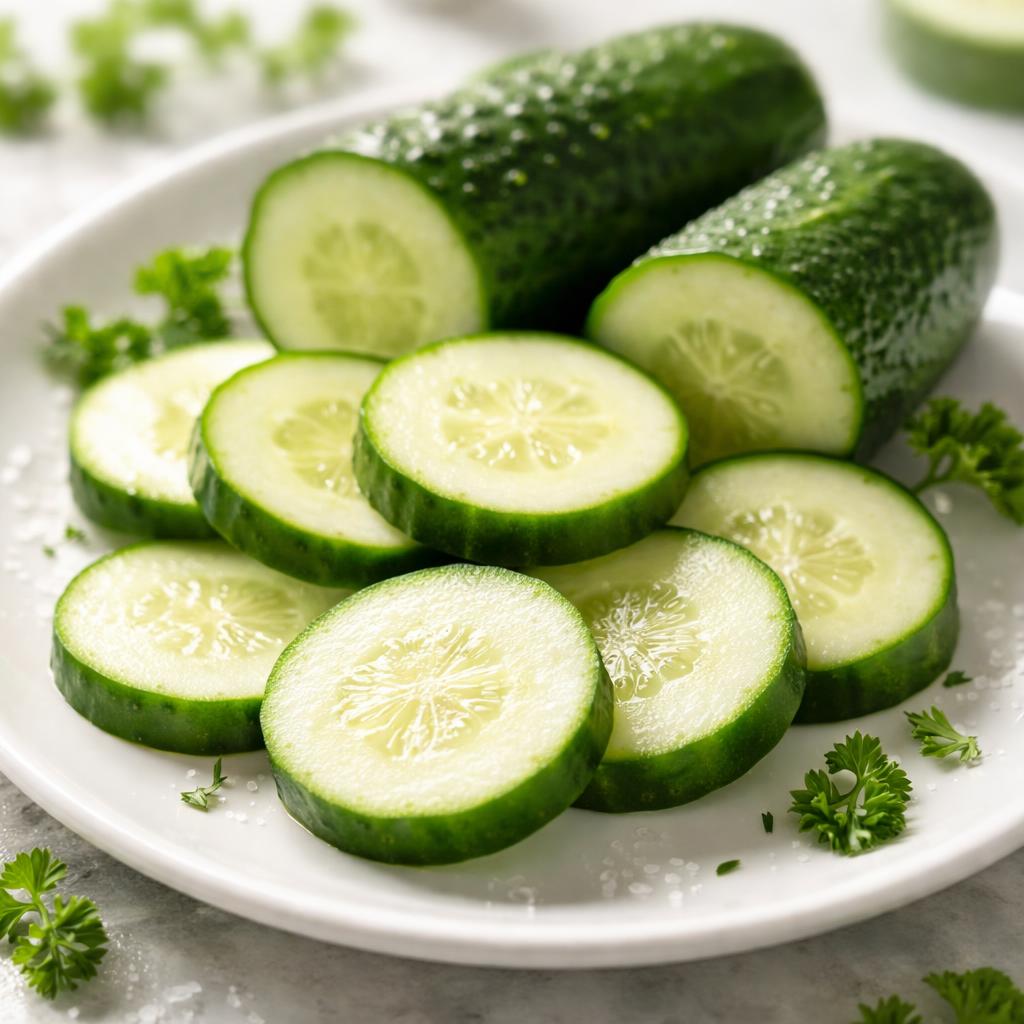
Cucumber
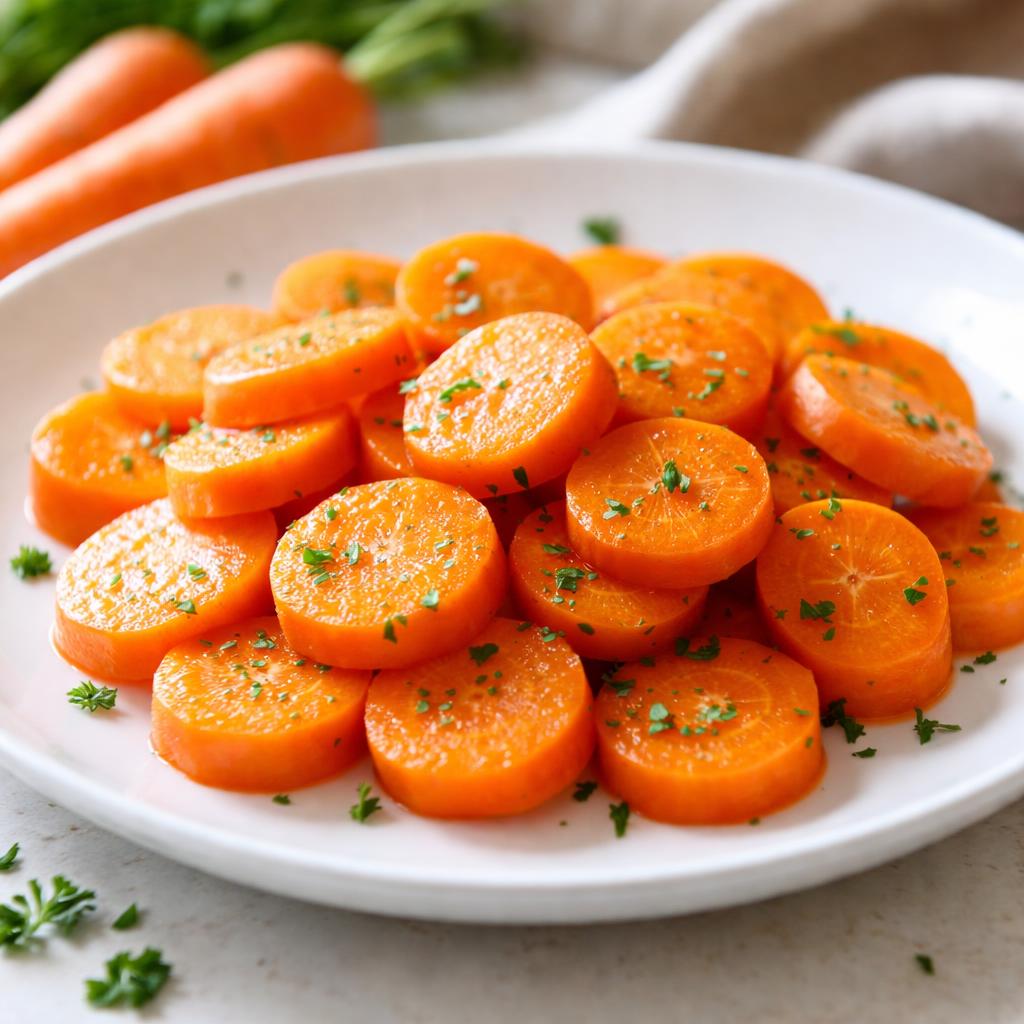
Sliced Carrots
🎯 Quick Verdict
Cucumber and sliced carrots both offer distinct nutritional benefits. Cucumber is extremely low in calories and is mostly water, making it ideal for hydration and weight loss. In contrast, carrots are higher in fiber, protein, and essential vitamins like vitamin A, making them better for sustained energy and eye health. The choice depends on your dietary needs: light and refreshing (cucumber) or nutrient-dense (carrots).

Smart Nutrition Tracking with SnapCalorie

📊 Nutritional Comparison
Macronutrients
| Nutrient | Food 1 | Food 2 | Winner |
|---|---|---|---|
| Calories | 16 (per 100g) | 41 (per 100g) | ✓ |
| Protein | 0.7g | 0.9g | ✓ |
| Carbs | 3.6g | 9.6g | ✓ |
| Fat | 0.1g | 0.2g | ✓ |
| Fiber | 0.5g | 2.8g | ✓ |
Vitamins & Minerals
| Nutrient | Food 1 | Food 2 | Winner |
|---|---|---|---|
| Vitamin A (RAE) | 5 mcg | 835 mcg | ✓ |
| Vitamin C | 2.8 mg | 5.9 mg | ✓ |
| Calcium | 16 mg | 33 mg | ✓ |
| Iron | 0.3 mg | 0.3 mg | − |
🏆 Category Winners
Protein
Food2 has slightly more protein per serving (0.9g vs 0.7g).
Fiber
Food2 contains over 5x more fiber (2.8g vs 0.5g).
Calories
Food1 is extremely low in calories (16 kcal vs 41 kcal).
Vitamins
Food2 is a powerhouse for vitamin A and has higher vitamin C and calcium.
🥗 Diet Compatibility
Keto
Food 1: Compatible
Food 2: Limited Compatibility
Food1 is very low-carb, whereas Food2 has moderate carbs for keto.
Vegan
Food 1: Compatible
Food 2: Compatible
Both are plant-based and suitable for vegans.
Gluten Free
Food 1: Compatible
Food 2: Compatible
Neither contains gluten.
Paleo
Food 1: Compatible
Food 2: Compatible
Both fit well within the Paleo diet guidelines.
Low Carb
Food 1: Highly Compatible
Food 2: Moderately Compatible
Food1 is very low-carb, while Food2 has more carbs (9.6g per 100g).
💪 Health Benefits Comparison
Food 1 Benefits
- Promotes hydration due to high water content
- Supports weight loss with very low-calorie density
- Contains antioxidants that may reduce inflammation
Food 2 Benefits
- Rich in vitamin A for eye health and vision
- Higher fiber content aids digestion and promotes satiety
- Provides antioxidants like beta-carotene to combat oxidative stress
- Supports bone health with calcium and vitamin K
✅ The Bottom Line
Cucumber is an excellent choice for hydration, very low-calorie diets, or refreshing snacks, while sliced carrots shine as a nutrient-dense food rich in vitamin A and fiber. Choose cucumber for ultra-light, hydrating meals or snacks, and opt for carrots for more substantial nutrition like eye protection and digestive benefits.
Choose Food 1 for: Hydration, weight loss, low-calorie snacks
Choose Food 2 for: Eye health, digestion, general nutrient density


