Cucumber VS Side Salad
A detailed nutritional comparison
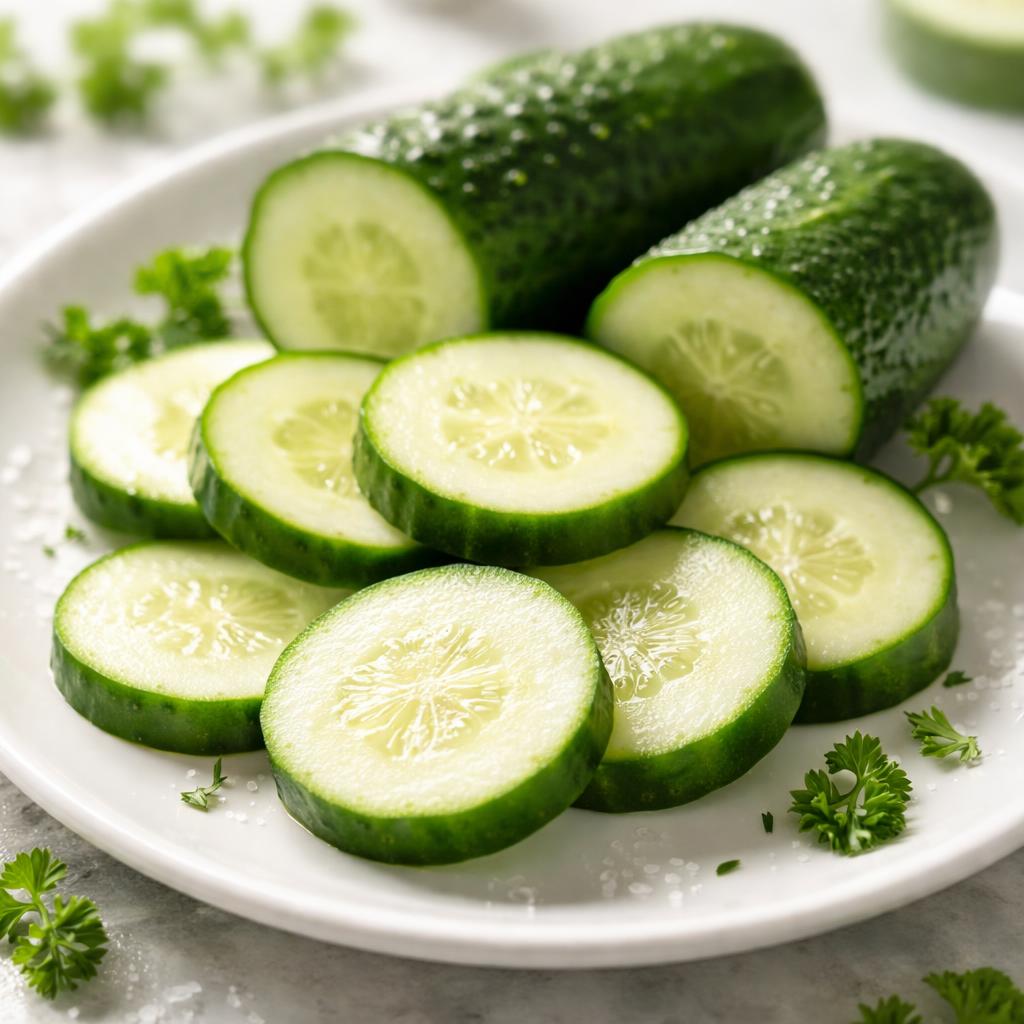
Cucumber
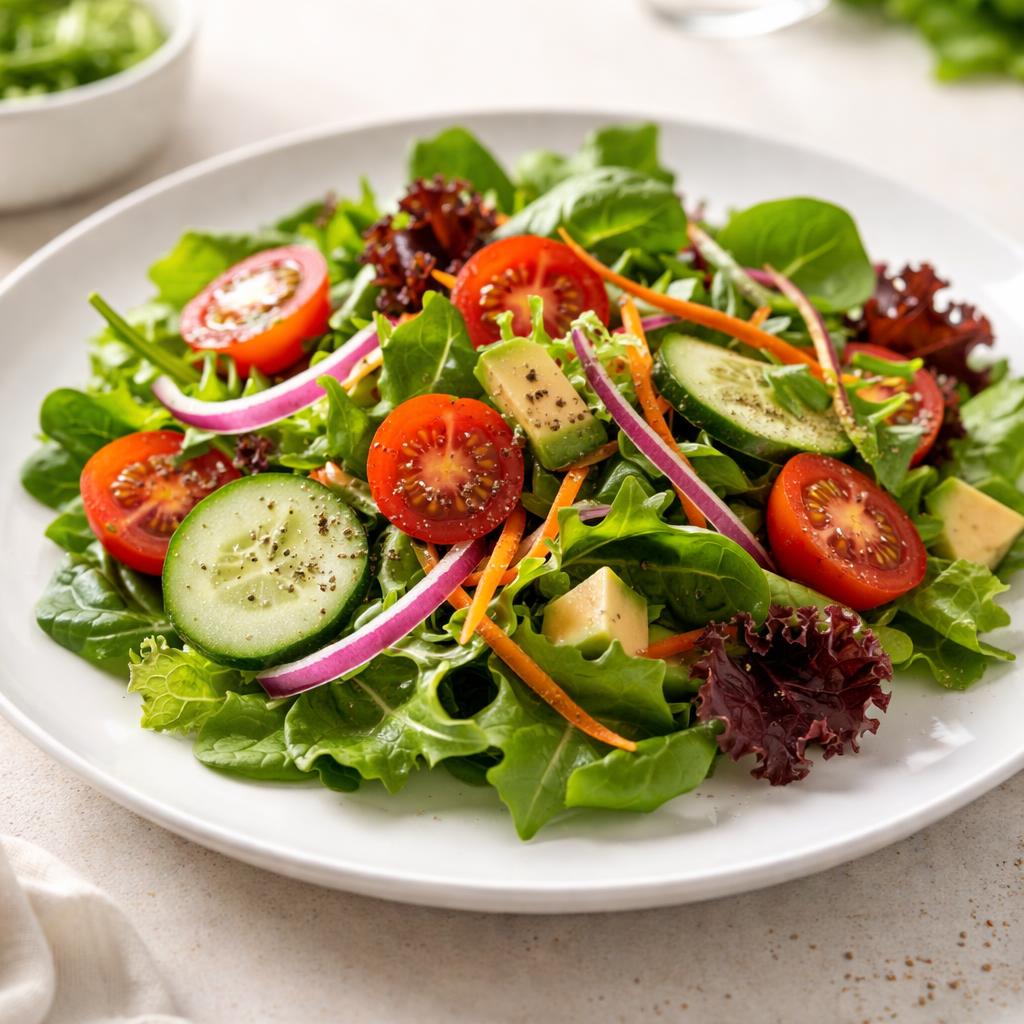
Side Salad
🎯 Quick Verdict
Cucumber and side salad are both healthy options, but they serve different purposes. Cucumber is lower in calories but also less nutritionally dense, while side salad provides more protein, fiber, and a wider range of vitamins and minerals, making it a more complete choice for balanced nutrition. Choose cucumber for ultra-low-calorie hydration or side salad for overall nutrient density.

Smart Nutrition Tracking with SnapCalorie

📊 Nutritional Comparison
Macronutrients
| Nutrient | Food 1 | Food 2 | Winner |
|---|---|---|---|
| Calories | 16 per 100g | 15-50 (depending on dressing) | − |
| Protein | 0.7g per 100g | 2g per 100g | − |
| Carbs | 3.6g per 100g | 6-12g per 100g | − |
| Fat | 0.1g per 100g | 0.5-10g per 100g (depending on dressing) | − |
| Fiber | 0.5g per 100g | 1.8g per 100g | − |
Vitamins & Minerals
| Nutrient | Food 1 | Food 2 | Winner |
|---|---|---|---|
| Vitamin C | 4.5mg per 100g | 9mg per 100g | − |
| Vitamin K | 16mcg per 100g | 57mcg per 100g | − |
| Vitamin A | 105IU per 100g | 500IU per 100g | − |
🏆 Category Winners
Protein
Side salad contains nearly three times more protein than cucumber.
Fiber
Side salad provides more than three times the fiber per 100g compared to cucumber.
Calories
Both options are incredibly low-calorie, making them great for calorie-conscious diets.
Vitamins
Side salad is significantly richer in Vitamin C, Vitamin K, and Vitamin A compared to cucumber.
🥗 Diet Compatibility
Keto
Food 1: Compatible
Food 2: Depends on dressing
Cucumber is naturally very low-carb, while a side salad can be keto-friendly without high-carb dressings.
Vegan
Food 1: Compatible
Food 2: Compatible
Both cucumber and side salad without animal-derived ingredients are suitable for vegans.
Gluten Free
Food 1: Compatible
Food 2: Depends on toppings/dressing
Cucumbers are naturally gluten-free, whereas side salads need careful selection of dressing and toppings to ensure gluten-free compliance.
Paleo
Food 1: Compatible
Food 2: Depends on dressing
Cucumber aligns well with Paleo diets, but certain dressings on side salad might contain non-Paleo ingredients.
Low Carb
Food 1: Compatible
Food 2: Depends on dressing
Cucumber is inherently low-carb, while side salad can be low-carb with careful choices of ingredients.
💪 Health Benefits Comparison
Food 1 Benefits
- Extremely low-calorie option for weight loss
- Hydration due to high water content (95% water)
- Source of antioxidants like beta-carotene and flavonoids
- Contains small amounts of Vitamin K for bone health
Food 2 Benefits
- Provides fiber for digestive health
- Rich in vitamins (Vitamin C, Vitamin K, Vitamin A) for immunity and skin health
- Promotes satiety with higher protein content
- Diverse nutrients from mixed vegetables and possible healthy fats from dressing
✅ The Bottom Line
Choose cucumber for ultra-light, hydrating snacking or weight loss-focused meals. Opt for side salad when you need a more nutritionally complete option that provides protein, fiber, and varied vitamins, but be mindful of dressing or toppings that can add calories.
Choose Food 1 for: Low-calorie diets, hydration, snacking
Choose Food 2 for: Balanced nutrition, meal accompaniment, digestive health


