Cucumber VS Sesame Seeds
A detailed nutritional comparison
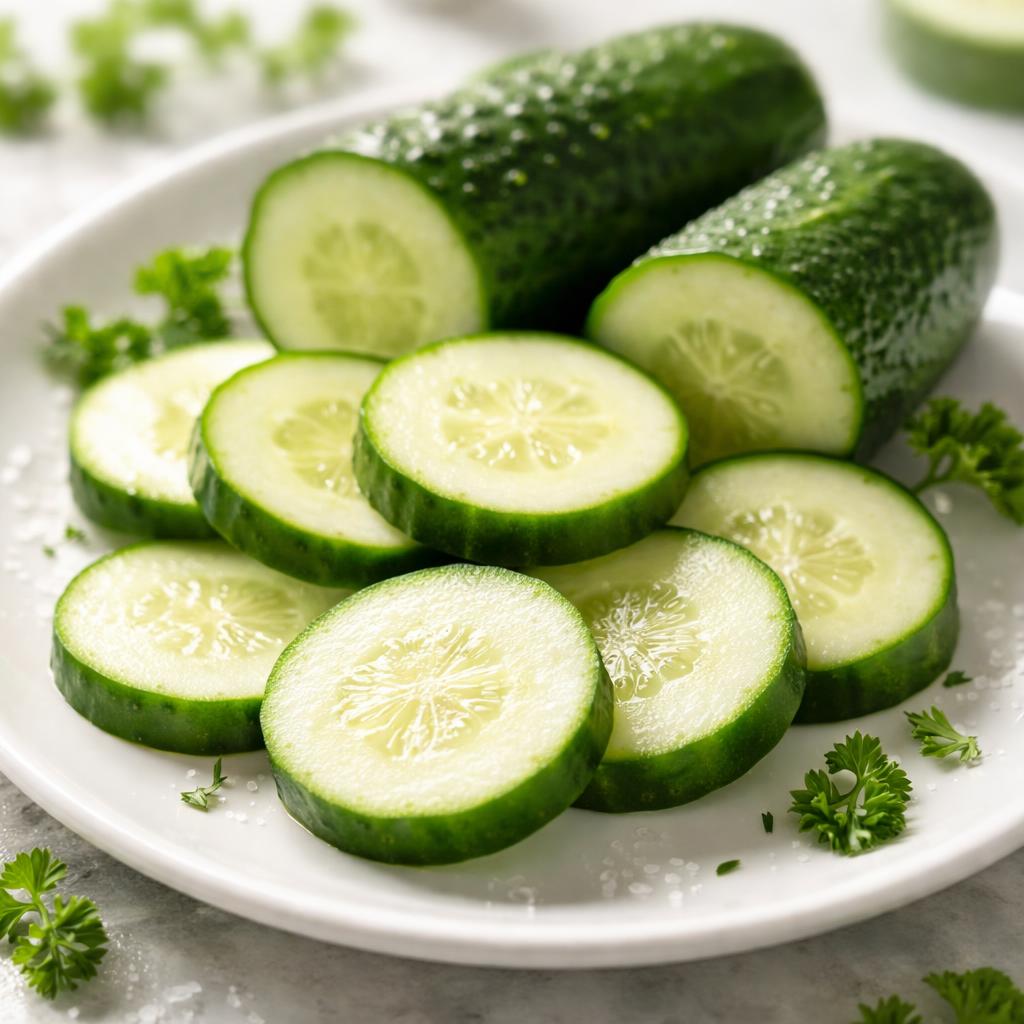
Cucumber
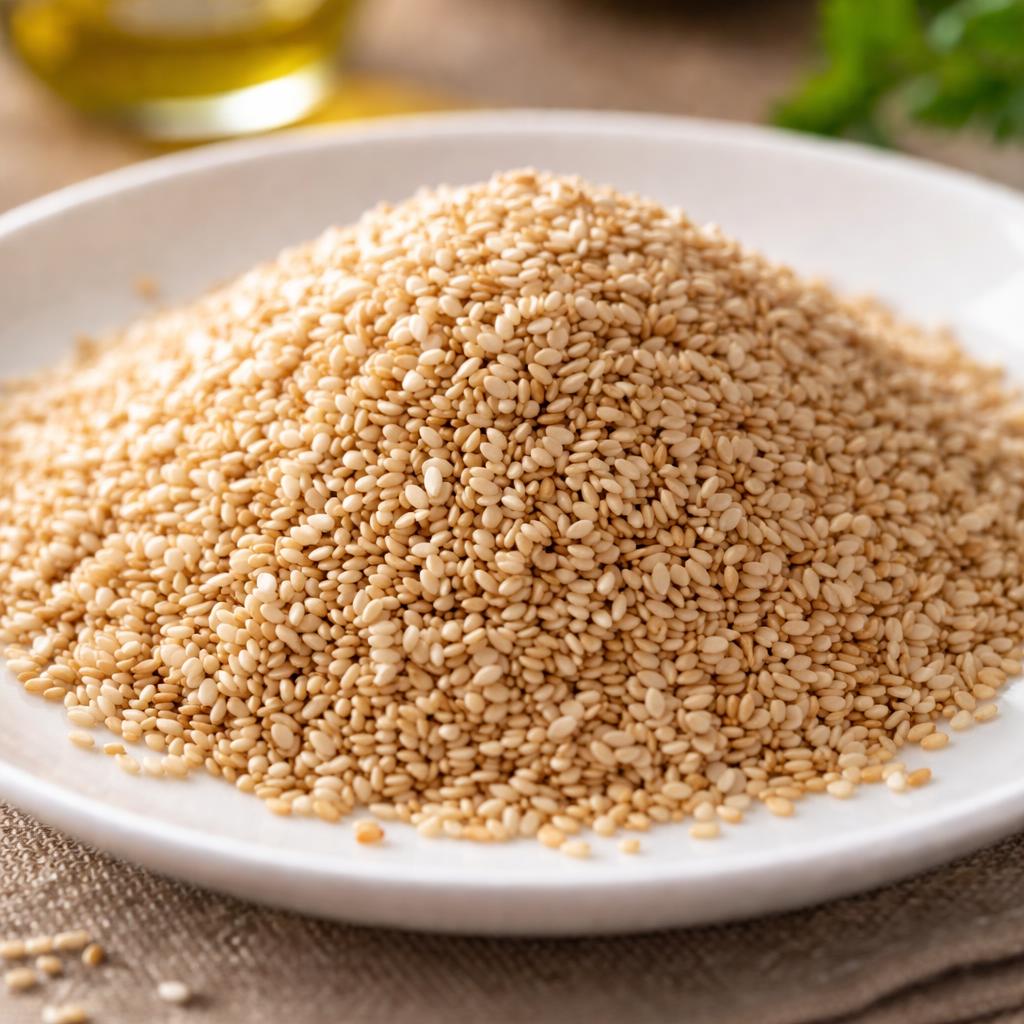
Sesame Seeds
🎯 Quick Verdict
Cucumber and sesame seeds differ significantly in nutritional content. Cucumber is low-calorie, hydrating, and rich in vitamin K, while sesame seeds are calorie-dense and packed with protein, healthy fats, and minerals like calcium and iron. Choose cucumber for weight loss or hydration, and sesame seeds for energy-dense nutrition and mineral support.

Smart Nutrition Tracking with SnapCalorie

📊 Nutritional Comparison
Macronutrients
| Nutrient | Food 1 | Food 2 | Winner |
|---|---|---|---|
| Calories | 15 per 100g | 573 per 100g | ✓ |
| Protein | 0.7g | 17g | ✓ |
| Carbs | 3.6g | 23g | ✓ |
| Fat | 0.1g | 50g | ✓ |
| Fiber | 0.5g | 12g | ✓ |
Vitamins & Minerals
| Nutrient | Food 1 | Food 2 | Winner |
|---|---|---|---|
| Vitamin K | 16mcg | 0.1mcg | ✓ |
| Calcium | 16mg | 975mg | ✓ |
| Iron | 0.3mg | 14.5mg | ✓ |
| Magnesium | 15mg | 351mg | ✓ |
🏆 Category Winners
Protein
Sesame seeds contain significantly more protein than cucumbers (17g vs. 0.7g per 100g).
Fiber
Sesame seeds provide 24 times more fiber than cucumbers (12g vs. 0.5g per 100g).
Calories
Cucumber is extremely low-calorie compared to sesame seeds (15 vs. 573 calories per 100g).
Vitamins
Sesame seeds excel in calcium, iron, and magnesium content.
🥗 Diet Compatibility
Keto
Food 1: Compatible
Food 2: Compatible
Both foods can fit within a keto diet, though sesame seeds are higher in fat.
Vegan
Food 1: Compatible
Food 2: Compatible
Both foods are plant-based and vegan-friendly.
Gluten Free
Food 1: Compatible
Food 2: Compatible
Neither contains gluten.
Paleo
Food 1: Compatible
Food 2: Compatible
Both are whole and natural foods suitable for paleo diets.
Low Carb
Food 1: Compatible
Food 2: Compatible
Both are relatively low in carbs, though sesame seeds are higher.
💪 Health Benefits Comparison
Food 1 Benefits
- Low in calories, ideal for weight management
- Hydrating and supports skin health
- Contains vitamin K, important for bone health and blood clotting
Food 2 Benefits
- High in plant-based protein, supports muscle repair
- Rich in calcium and magnesium for strong bones
- Provides healthy fats for heart health and sustained energy
- Excellent source of iron to combat fatigue and support blood health
✅ The Bottom Line
Cucumber and sesame seeds serve very different nutritional purposes. Choose cucumber for low-calorie, hydrating snacks or side dishes, while sesame seeds are ideal for energy-dense meals and boosting protein, fat, and mineral intake. Combining them in recipes (like salads with sesame seeds as toppers) can create a balanced nutrient profile.
Choose Food 1 for: Weight loss, hydration, low-calorie diets
Choose Food 2 for: Energy-dense nutrition, mineral-rich diets, plant-based protein


