Cucumber VS Scrambled Egg
A detailed nutritional comparison
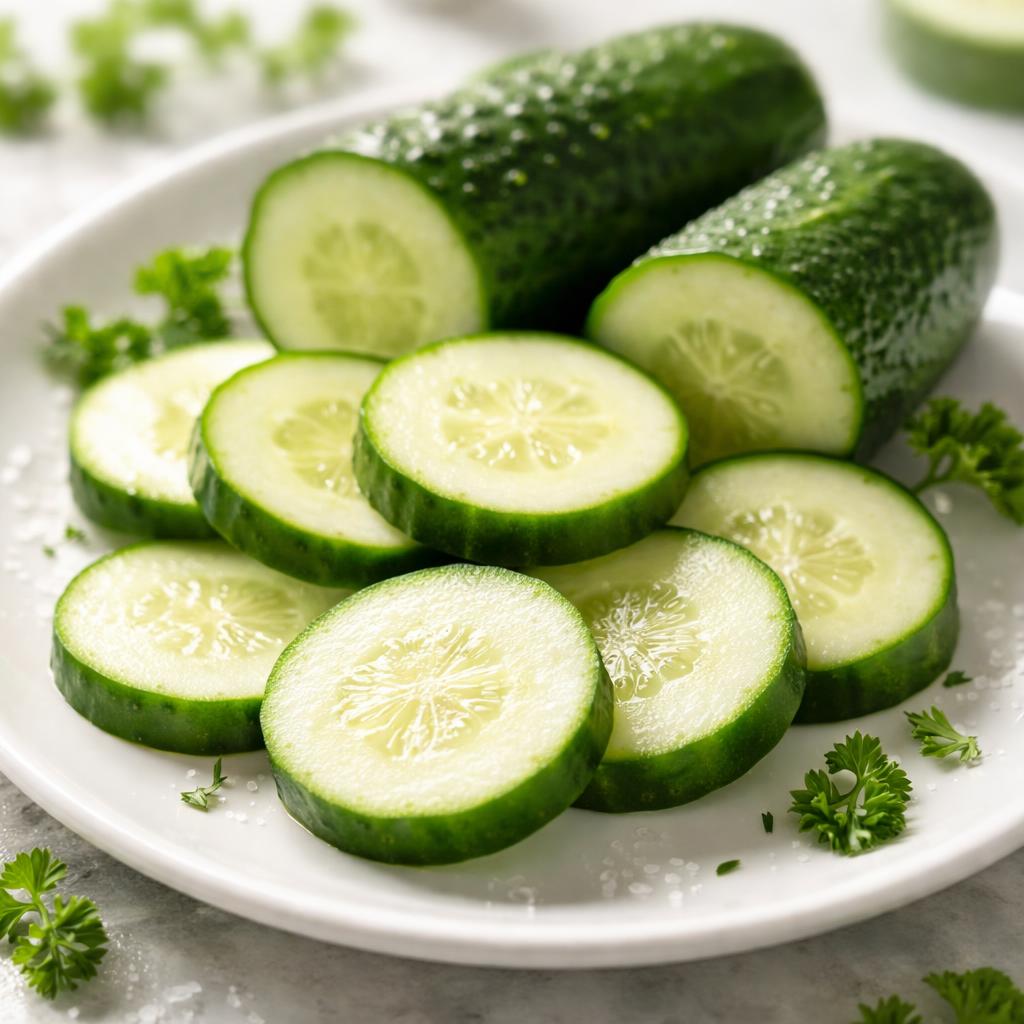
Cucumber
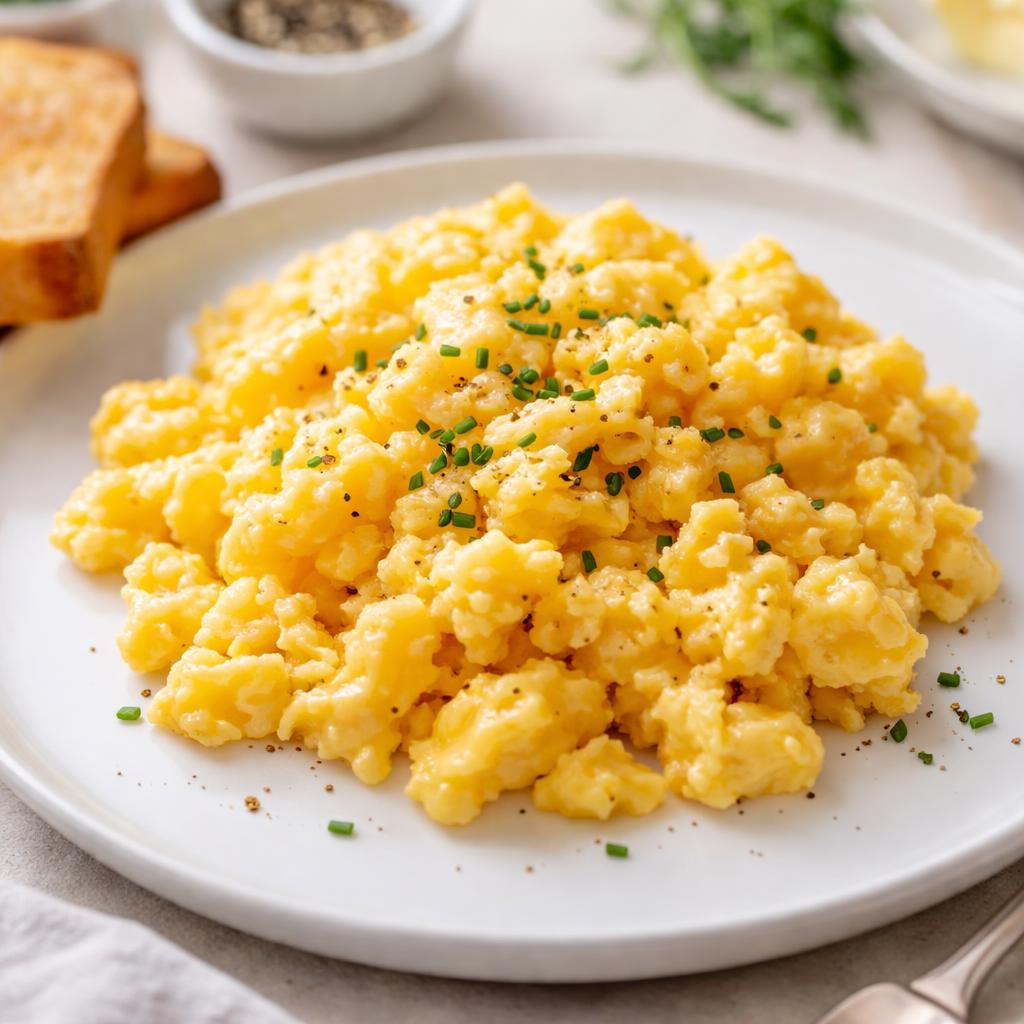
Scrambled Egg
🎯 Quick Verdict
Cucumber is a low-calorie, high-fiber vegetable with almost negligible protein, making it great for hydration and weight loss diets. Scrambled eggs, on the other hand, provide significantly higher protein, essential fats, and key vitamins, making them ideal for muscle growth and nutrient density. Both have unique strengths depending on dietary goals.

Smart Nutrition Tracking with SnapCalorie

📊 Nutritional Comparison
Macronutrients
| Nutrient | Food 1 | Food 2 | Winner |
|---|---|---|---|
| Calories | 15 per 100g | 150 per 100g | ✓ |
| Protein | 0.7g per 100g | 12g per 100g | ✓ |
| Carbs | 3.6g per 100g | 1g per 100g | ✓ |
| Fat | 0.1g per 100g | 10g per 100g | ✓ |
| Fiber | 0.5g per 100g | 0g per 100g | ✓ |
Vitamins & Minerals
| Nutrient | Food 1 | Food 2 | Winner |
|---|---|---|---|
| Vitamin D | 0mcg | 2mcg | ✓ |
| Vitamin A | 5 IU | 906 IU | ✓ |
| Calcium | 16mg | 60mg | ✓ |
| Potassium | 147mg | 145mg | ✓ |
🏆 Category Winners
Protein
Scrambled eggs have 17 times more protein than cucumber per 100g.
Fiber
Cucumber contains 0.5g fiber per 100g, while scrambled eggs contain none.
Calories
Cucumber is extremely low-calorie, with only 15 calories per 100g compared to 150 from scrambled eggs.
Vitamins
Scrambled eggs provide significant amounts of vitamin D, vitamin A, and calcium, far outpacing cucumber.
🥗 Diet Compatibility
Keto
Food 1: Compatible
Food 2: Compatible
Both foods are low in carbohydrates and compatible with keto diets.
Vegan
Food 1: Compatible
Food 2: Not Compatible
Cucumber is plant-based, whereas scrambled eggs are an animal product.
Gluten Free
Food 1: Compatible
Food 2: Compatible
Both cucumber and scrambled eggs are naturally gluten-free.
Paleo
Food 1: Compatible
Food 2: Compatible
Both are considered paleo-friendly since cucumber is a vegetable and scrambled eggs come from an animal source.
Low Carb
Food 1: Compatible
Food 2: Compatible
Both foods have minimal carbohydrate content.
💪 Health Benefits Comparison
Food 1 Benefits
- Low calorie, ideal for weight loss and calorie-conscious diets
- Contains hydration-supporting water content
- Provides fiber for digestion
- Rich in potassium for electrolyte balance
Food 2 Benefits
- Excellent source of high-quality protein for muscle building
- Provides vitamin D for bone health and immune function
- Contains healthy fats for brain and cardiovascular health
- Rich in vitamin A for vision and immune support
✅ The Bottom Line
Choose cucumber for hydration, fiber, and low-calorie diets, making it ideal for weight loss or snacking. Opt for scrambled eggs if protein and essential vitamins are priorities, particularly useful for muscle growth, post-workout nutrition, or increasing overall nutrient density.
Choose Food 1 for: Hydration, weight loss diets, light snacking
Choose Food 2 for: Muscle building, nutrient-dense meals, post-workout recovery


