Cucumber VS Salad Greens
A detailed nutritional comparison
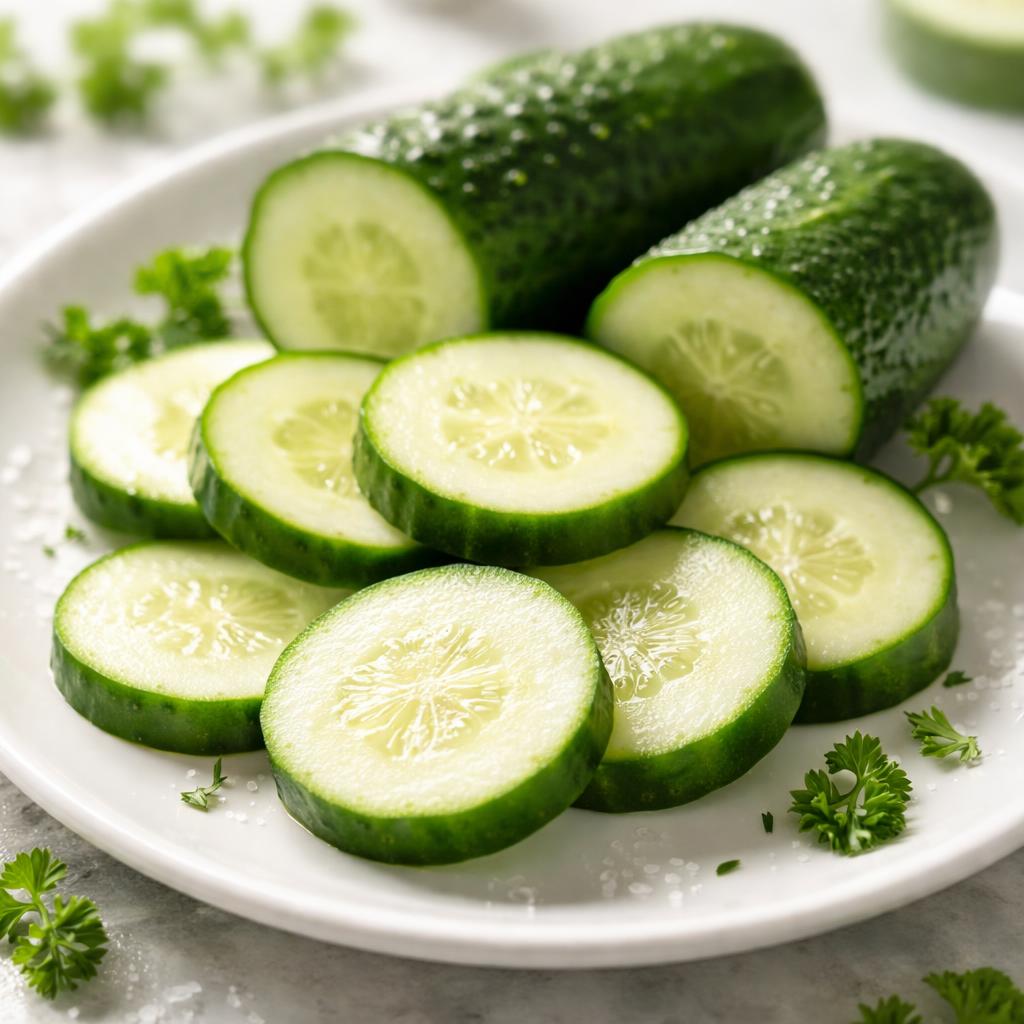
Cucumber
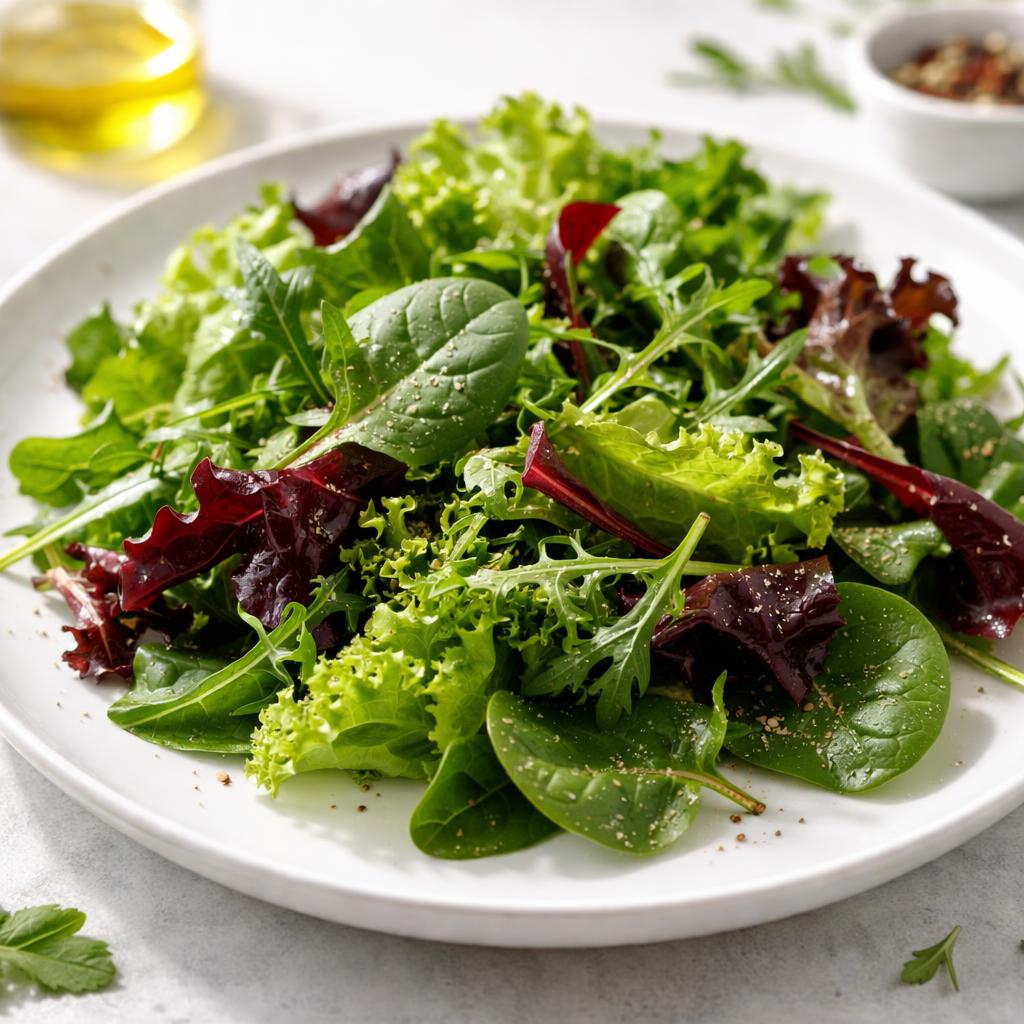
Salad Greens
🎯 Quick Verdict
Salad greens provide significantly higher protein, fiber, and micronutrient levels compared to cucumber, while both are low in calories and hydrating. Cucumber excels in hydration and ease of preparation, while salad greens offer more nutrients per calorie, making them better suited for nutrient-dense meals and salads.

Smart Nutrition Tracking with SnapCalorie

📊 Nutritional Comparison
Macronutrients
| Nutrient | Food 1 | Food 2 | Winner |
|---|---|---|---|
| Calories | 15 kcal per 100g | 15 kcal per 100g | − |
| Protein | 0.7g per 100g | 2g per 100g | − |
| Carbs | 3.6g per 100g | 3g per 100g | − |
| Fat | 0.1g per 100g | 0.2g per 100g | − |
| Fiber | 0.5g per 100g | 1.5g per 100g | − |
Vitamins & Minerals
| Nutrient | Food 1 | Food 2 | Winner |
|---|---|---|---|
| Vitamin A | 150 IU per 100g | 2300 IU per 100g | − |
| Vitamin C | 3.2mg per 100g | 9mg per 100g | − |
| Vitamin K | 16mcg per 100g | 140mcg per 100g | − |
🏆 Category Winners
Protein
Salad greens have almost 3x more protein per 100g serving.
Fiber
Salad greens provide 3x more fiber compared to cucumbers.
Calories
Both foods are extremely low-calorie with 15 kcal per 100g.
Vitamins
Salad greens offer much higher levels of Vitamin A, C, and K than cucumber.
🥗 Diet Compatibility
Keto
Food 1: Compatible
Food 2: Compatible
Both are very low-carb and thus suitable for keto diets.
Vegan
Food 1: Compatible
Food 2: Compatible
Both are plant-based and vegan-friendly.
Gluten Free
Food 1: Compatible
Food 2: Compatible
Neither contains gluten and fits gluten-free diets.
Paleo
Food 1: Compatible
Food 2: Compatible
Both are whole, unprocessed foods compliant with paleo standards.
Low-Carb
Food 1: Compatible
Food 2: Compatible
Both are low-carb (under 4g carbs per 100g serving).
💪 Health Benefits Comparison
Food 1 Benefits
- Hydrating due to high water content
- Low-calorie, aiding weight loss
- Supports digestion with small amounts of fiber
Food 2 Benefits
- Rich in essential vitamins, such as Vitamin A and K for bone health and immunity
- Good source of fiber, benefiting digestion
- Provides antioxidants to combat cellular damage
✅ The Bottom Line
Choose cucumbers for hydration, ease of preparation, and low-calorie snacking, while salad greens are better for nutrient-dense meals, higher protein, and fiber intake. Both are excellent for weight-loss diets and compatible with multiple dietary approaches.
Choose Food 1 for: Hydration, snacking, weight loss
Choose Food 2 for: Nutritious salads, digestion, high-fiber diets


