Cucumber VS Salad Dressing
A detailed nutritional comparison
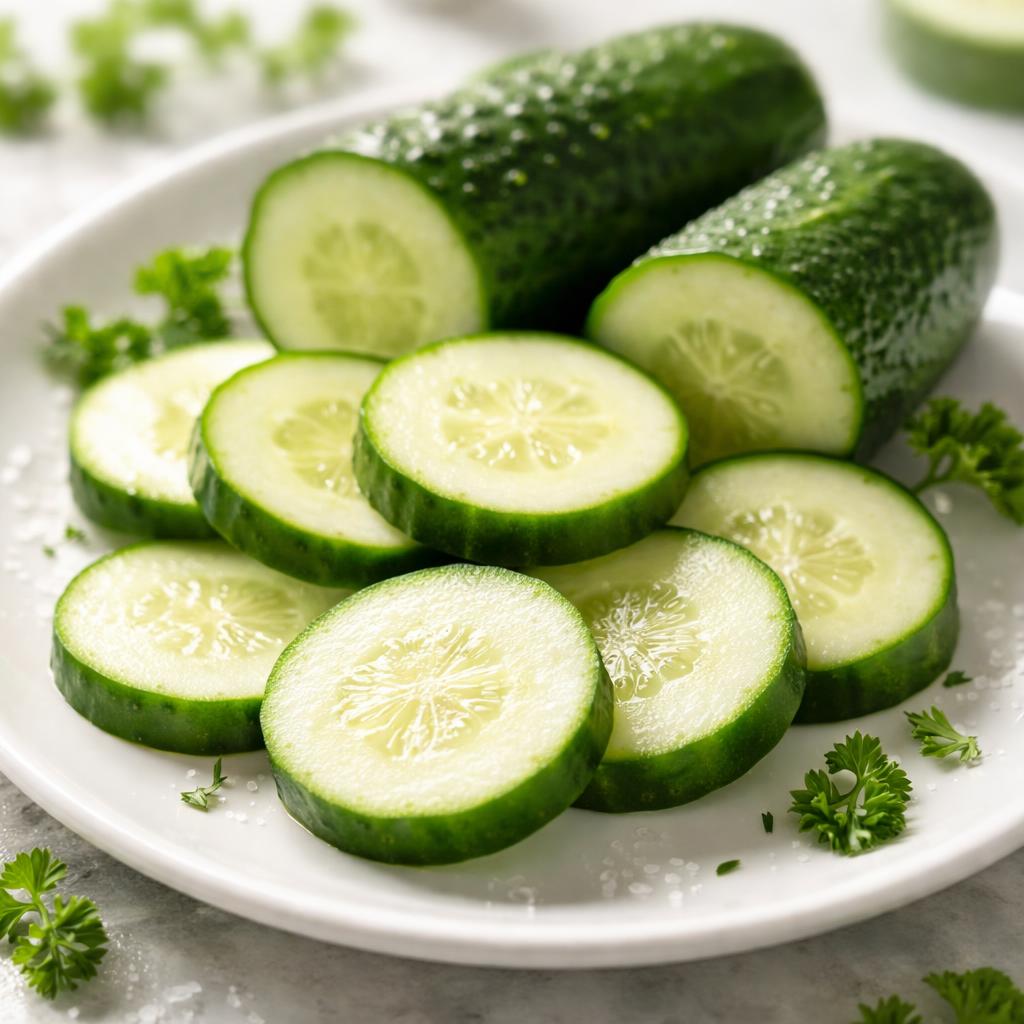
Cucumber
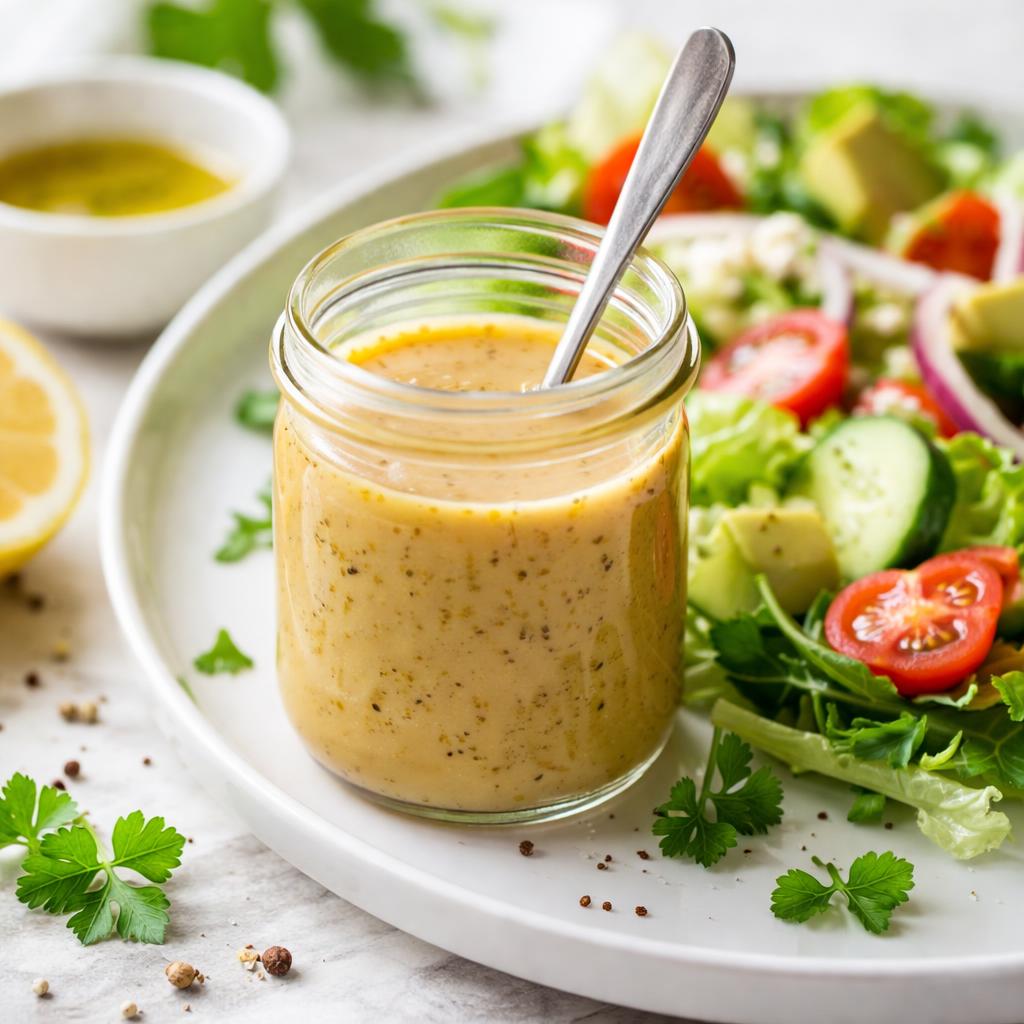
Salad Dressing
🎯 Quick Verdict
Cucumber (Food 1) is a low-calorie, hydrating vegetable packed with fiber and essential vitamins, making it great for digestion and weight management. Salad dressing (Food 2), while flavorful, is higher in calories and fat, which may contribute to satiety but should be used moderately on calorie-conscious diets. Cucumber is better for health-focused diets, while salad dressing can enhance taste but requires portion mindfulness.

Smart Nutrition Tracking with SnapCalorie

📊 Nutritional Comparison
Macronutrients
| Nutrient | Food 1 | Food 2 | Winner |
|---|---|---|---|
| Calories | 15 | 120 | ✓ |
| Protein | 0.7g | 0.7g | − |
| Carbs | 3.6g | 2g | ✓ |
| Fat | 0.1g | 10g | ✓ |
| Fiber | 0.5g | 0g | ✓ |
Vitamins & Minerals
| Nutrient | Food 1 | Food 2 | Winner |
|---|---|---|---|
| Vitamin C | 4.5mg | 0mg | ✓ |
| Vitamin A | 5IU | 500IU | ✓ |
| Calcium | 16mg | 10mg | ✓ |
| Iron | 0.3mg | 0.2mg | ✓ |
🏆 Category Winners
Protein
Both cucumber and salad dressing have low and equal protein content (0.7g per serving).
Fiber
Cucumber contains 0.5g of fiber per serving compared to 0g in salad dressing.
Calories
Cucumber has only 15 calories compared to salad dressing's 120 calories per serving.
Vitamins
Cucumber is higher in vitamin C and calcium, though salad dressing provides notable vitamin A.
🥗 Diet Compatibility
Keto
Food 1: Compatible
Food 2: Compatible
Both foods are low-carb but check salad dressing labels for added sugars.
Vegan
Food 1: Compatible
Food 2: Check Ingredients
Cucumber is naturally vegan, but some salad dressings may contain dairy or egg.
Gluten Free
Food 1: Compatible
Food 2: Check Ingredients
Cucumber is gluten-free, but some salad dressings may contain gluten-containing additives.
Paleo
Food 1: Compatible
Food 2: Check Ingredients
Cucumber is paleo-friendly, but salad dressing may include non-paleo ingredients (e.g., processed oils).
Low-Carb
Food 1: Compatible
Food 2: Compatible
Both are low in carbohydrates, though dressing is higher in fat and calories.
💪 Health Benefits Comparison
Food 1 Benefits
- Hydrating with high water content (95%)
- Low in calories for weight management
- Provides antioxidants and vitamin C for immune support
- Contains fiber to improve digestion
Food 2 Benefits
- Enhances flavor to encourage vegetable consumption
- Provides healthy fats depending on oil used (e.g., olive oil)
- Includes vitamin A for eye health
- May contain additional herbs and spices with antioxidant properties
✅ The Bottom Line
Cucumber is the healthier choice overall, offering hydration, fiber, and nutrients with minimal calories. Salad dressing is useful for adding flavor and healthy fats but should be consumed in moderation due to its higher caloric and fat content. Combine the two for a balanced dish or opt for cucumber alone for dietary goals like weight loss and digestion-focused diets.
Choose Food 1 for: Weight loss, hydration, digestion, low-calorie diets
Choose Food 2 for: Flavor enhancement, healthy fat intake, pairing with vegetables


