Cucumber VS Red Onion
A detailed nutritional comparison
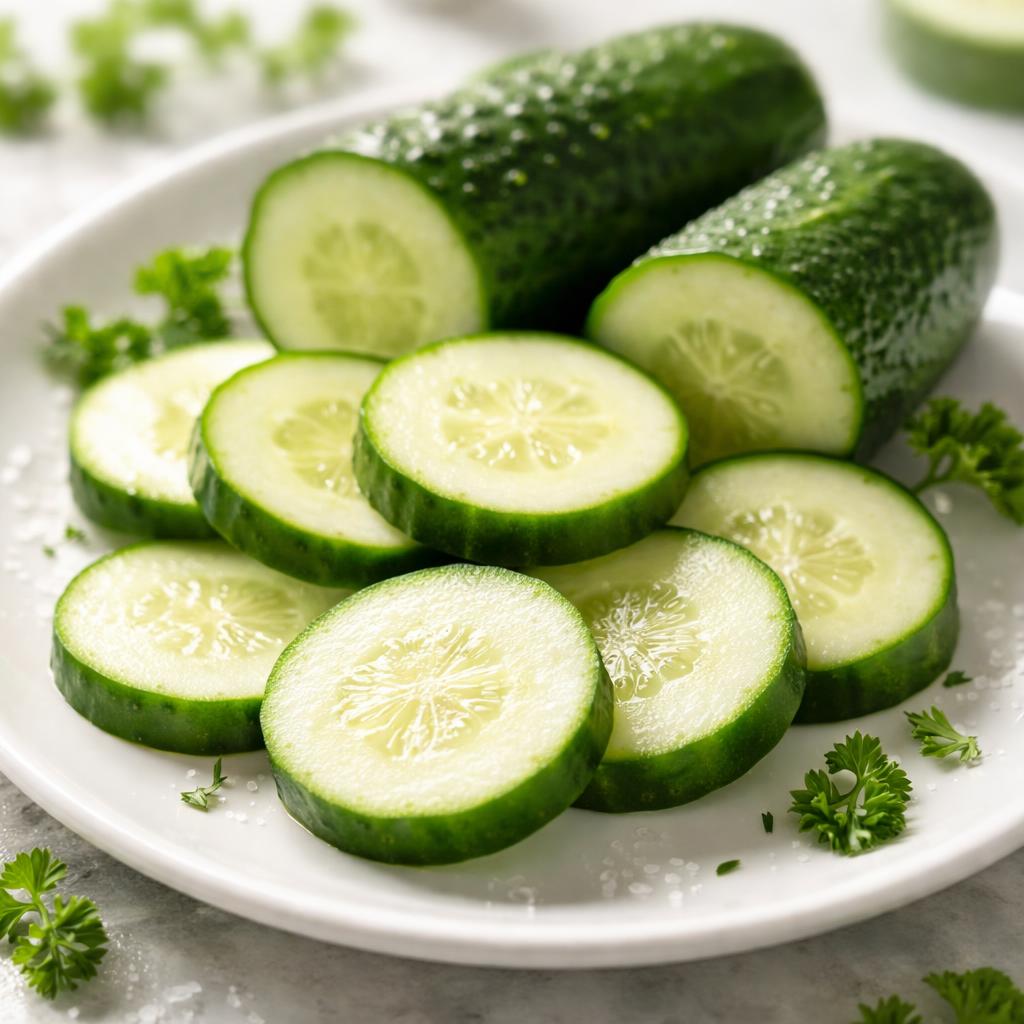
Cucumber
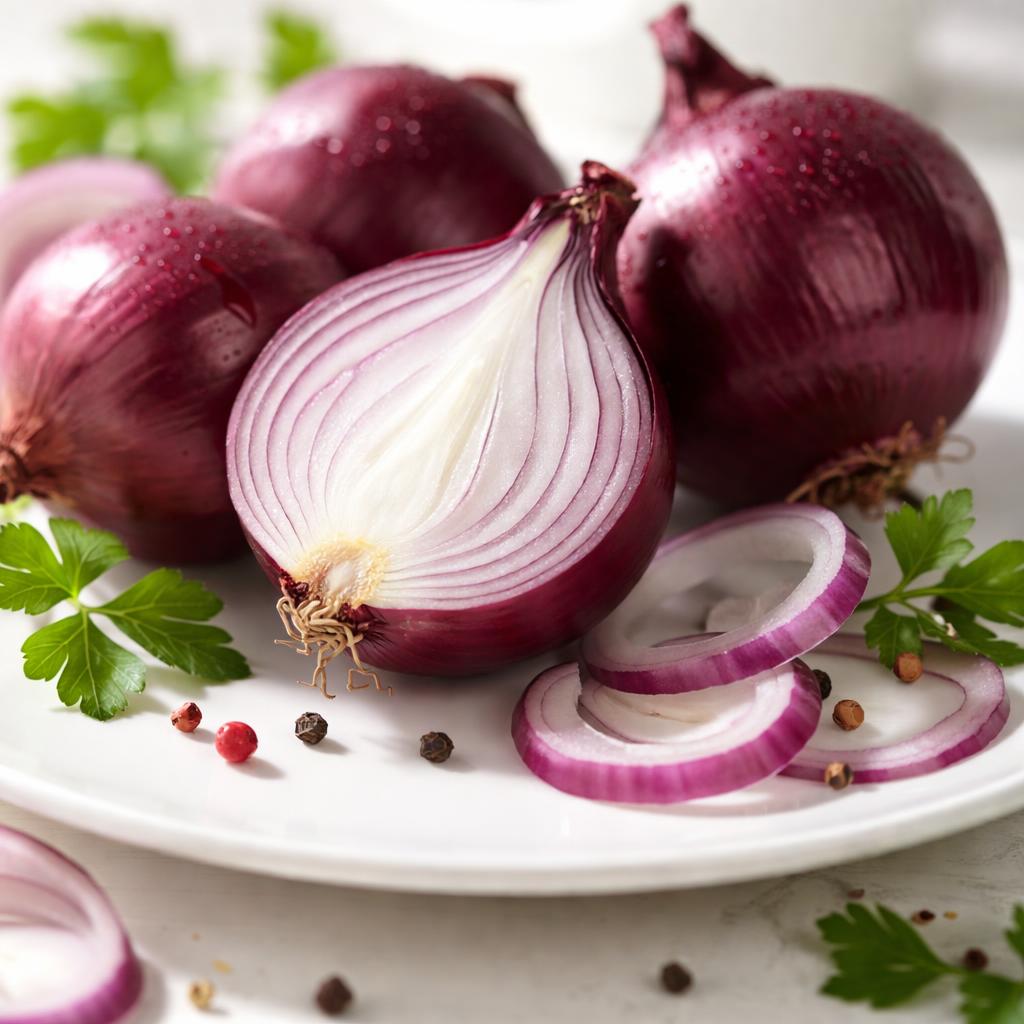
Red Onion
🎯 Quick Verdict
Cucumber and red onion are both low-calorie, healthy choices, but they shine in different areas. Cucumber offers hydration with fewer calories and more vitamin C, while red onion is richer in fiber and antioxidants, making it ideal for digestive and heart health. Both are excellent additions to salads and plant-based diets, depending on specific nutrient needs.

Smart Nutrition Tracking with SnapCalorie

📊 Nutritional Comparison
Macronutrients
| Nutrient | Food 1 | Food 2 | Winner |
|---|---|---|---|
| Calories | 15 | 40 | ✓ |
| Protein | 0.6g | 1.1g | − |
| Carbs | 3.6g | 9g | ✓ |
| Fat | 0.1g | 0.1g | − |
| Fiber | 0.5g | 1.2g | ✓ |
Vitamins & Minerals
| Nutrient | Food 1 | Food 2 | Winner |
|---|---|---|---|
| Vitamin C | 3mg | 5mg | ✓ |
| Vitamin K | 16mcg | 0.4mcg | ✓ |
| Potassium | 150mg | 146mg | ✓ |
🏆 Category Winners
Protein
Both foods provide minimal protein, making it a tie.
Fiber
Red onion has more than double the amount of fiber compared to cucumber.
Calories
Cucumber contains 60% fewer calories than red onion.
Vitamins
Cucumber has Vitamin K and potassium, while red onion provides more Vitamin C and antioxidants.
🥗 Diet Compatibility
Keto
Food 1: Compatible
Food 2: Compatible
Both foods are low in carbs and suitable for keto diets.
Vegan
Food 1: Compatible
Food 2: Compatible
Both foods are plant-based options.
Gluten Free
Food 1: Compatible
Food 2: Compatible
Neither food contains gluten.
Paleo
Food 1: Compatible
Food 2: Compatible
Both are whole, unprocessed and paleo-friendly.
Low-Carb
Food 1: Compatible
Food 2: Compatible
Both foods are naturally low in carbohydrates.
💪 Health Benefits Comparison
Food 1 Benefits
- Low in calories, ideal for weight loss.
- Provides hydration due to high water content.
- Rich in Vitamin K and potassium for bone and muscle health.
Food 2 Benefits
- High in antioxidants like quercetin, supporting heart health.
- Rich in fiber, aiding digestion and gut health.
- Contains sulfur compounds, improving immunity and overall well-being.
✅ The Bottom Line
Cucumber is best for hydration, weight loss, and adding crunch with fewer calories, while red onion excels in digestive health and heart-boosting antioxidants. Use cucumber in smoothies and low-calorie dishes, and red onion to enrich salads and savory recipes needing more fiber and flavor.
Choose Food 1 for: Weight loss, hydration, low-calorie diets
Choose Food 2 for: Digestive health, heart health, nutrient-rich flavor enhancement


