Cucumber VS Potato Wedges
A detailed nutritional comparison
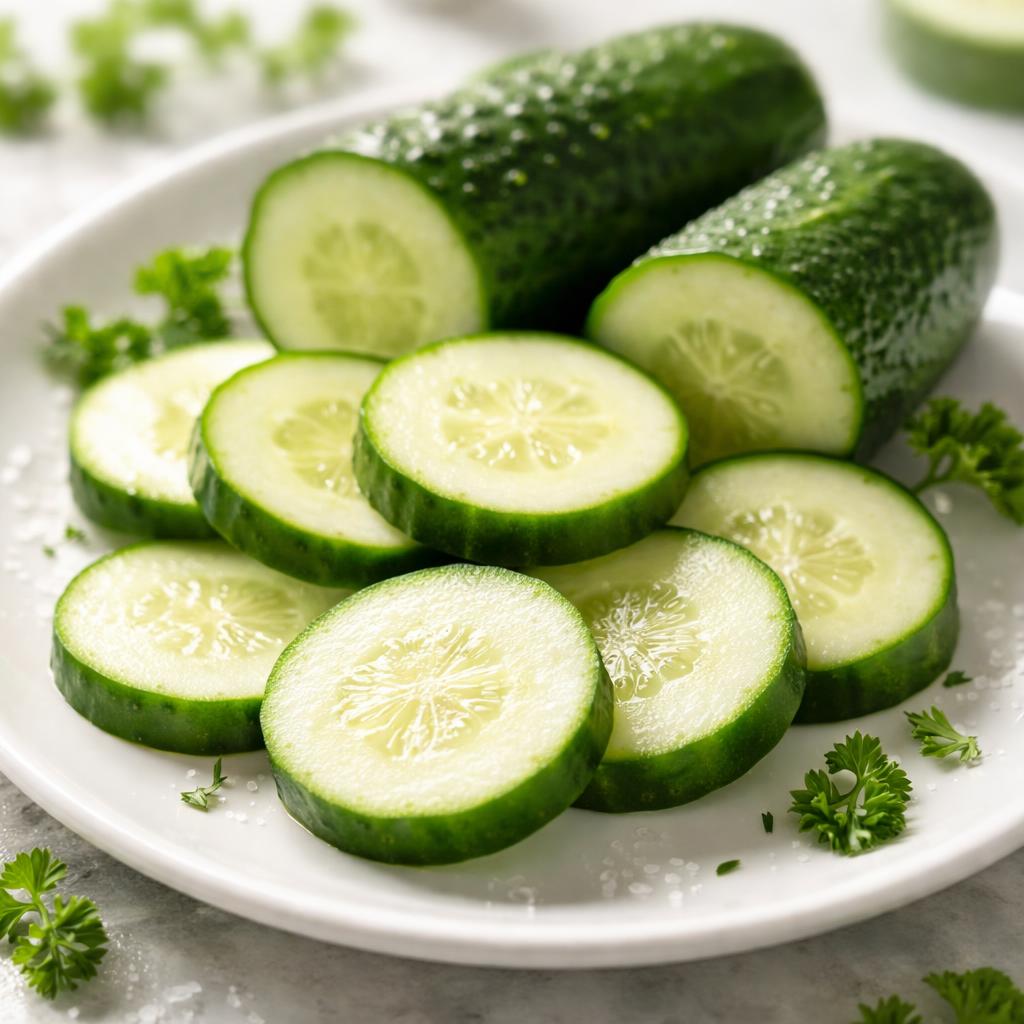
Cucumber
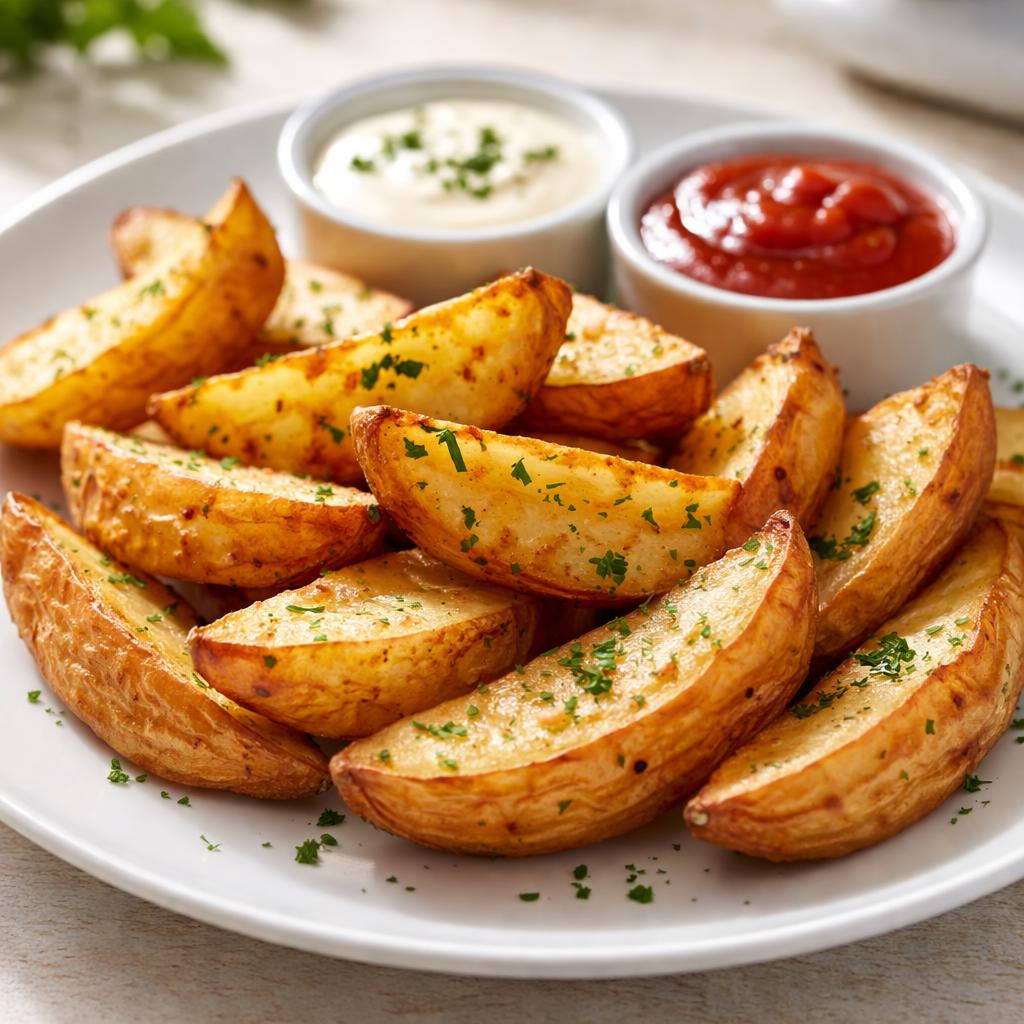
Potato Wedges
🎯 Quick Verdict
Cucumber is a low-calorie, hydrating vegetable primarily composed of water, ideal for weight loss and light snacking. Potato wedges are energy-dense, rich in carbohydrates and fiber, making them better suited as a filling side dish or energy booster. Each serves distinct nutritional purposes depending on diet goals.

Smart Nutrition Tracking with SnapCalorie

📊 Nutritional Comparison
Macronutrients
| Nutrient | Food 1 | Food 2 | Winner |
|---|---|---|---|
| Calories | 12 (per 100g) | 312 (per 100g) | ✓ |
| Protein | 0.6g | 4g | ✓ |
| Carbs | 2.2g | 58g | ✓ |
| Fat | 0.1g | 15g | ✓ |
| Fiber | 0.5g | 2.5g | ✓ |
Vitamins & Minerals
| Nutrient | Food 1 | Food 2 | Winner |
|---|---|---|---|
| Vitamin C | 3mg | 19.7mg | ✓ |
| Vitamin D | 0mcg | 0mcg | − |
| Potassium | 150mg | 433mg | ✓ |
| Calcium | 16mg | 10mg | ✓ |
| Iron | 0.3mg | 0.7mg | ✓ |
🏆 Category Winners
Protein
Potato wedges contain nearly 7x more protein than cucumbers.
Fiber
Potato wedges provide 5x more fiber, enhancing digestion health.
Calories
Cucumbers are significantly lower in calories, better for weight loss.
Vitamins
Potato wedges offer higher amounts of vitamin C and potassium.
🥗 Diet Compatibility
Keto
Food 1: Compatible
Food 2: Not Compatible
Cucumbers are low-carb, while potato wedges are carb-rich.
Vegan
Food 1: Compatible
Food 2: Compatible
Both are plant-based and suitable for vegan diets.
Gluten Free
Food 1: Compatible
Food 2: Compatible
Neither contain gluten.
Paleo
Food 1: Compatible
Food 2: Conditionally Compatible
Potato wedges are paleo-friendly only if not fried in restricted oils.
Low Carb
Food 1: Compatible
Food 2: Not Compatible
Cucumbers fit a low-carb diet, but potato wedges do not due to high carb content.
💪 Health Benefits Comparison
Food 1 Benefits
- Extremely low in calories, aiding weight loss.
- Rich in water content for hydration.
- Contains antioxidants and mild anti-inflammatory properties.
- Provides small amounts of potassium for electrolyte balance.
Food 2 Benefits
- High in complex carbohydrates for sustained energy.
- Rich in vitamin C to boost immunity.
- Contains fiber to improve digestion.
- Provides potassium for muscle and heart health.
✅ The Bottom Line
Choose cucumbers for a low-calorie, refreshing snack that supports hydration and weight loss. Opt for potato wedges as a hearty, energy-rich side dish or source of fiber and vitamin C. Both foods cater to different nutritional needs depending on your diet goals.
Choose Food 1 for: Weight loss, hydration, light snacking, low-carb diets
Choose Food 2 for: Energy demands, digestion support, immunity boost, nutrient density


