Cucumber VS Pineapple
A detailed nutritional comparison
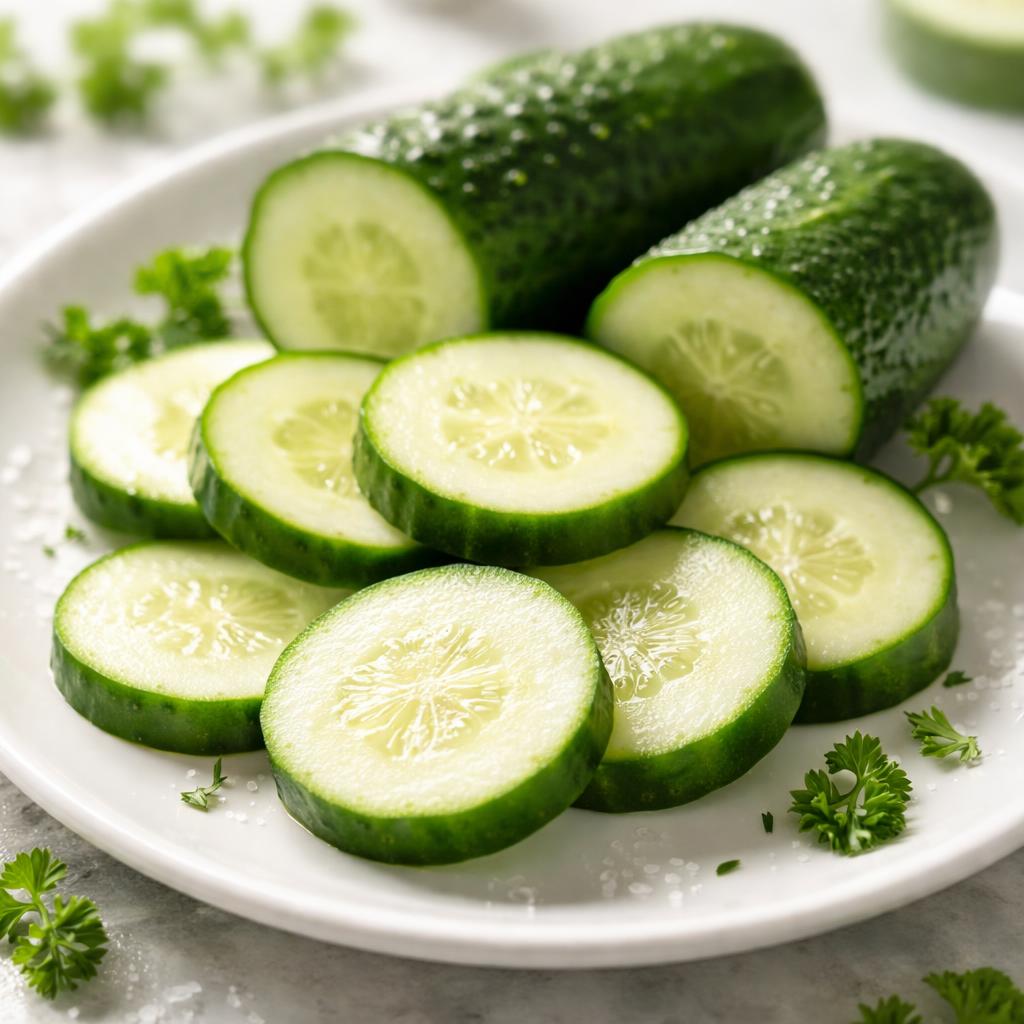
Cucumber
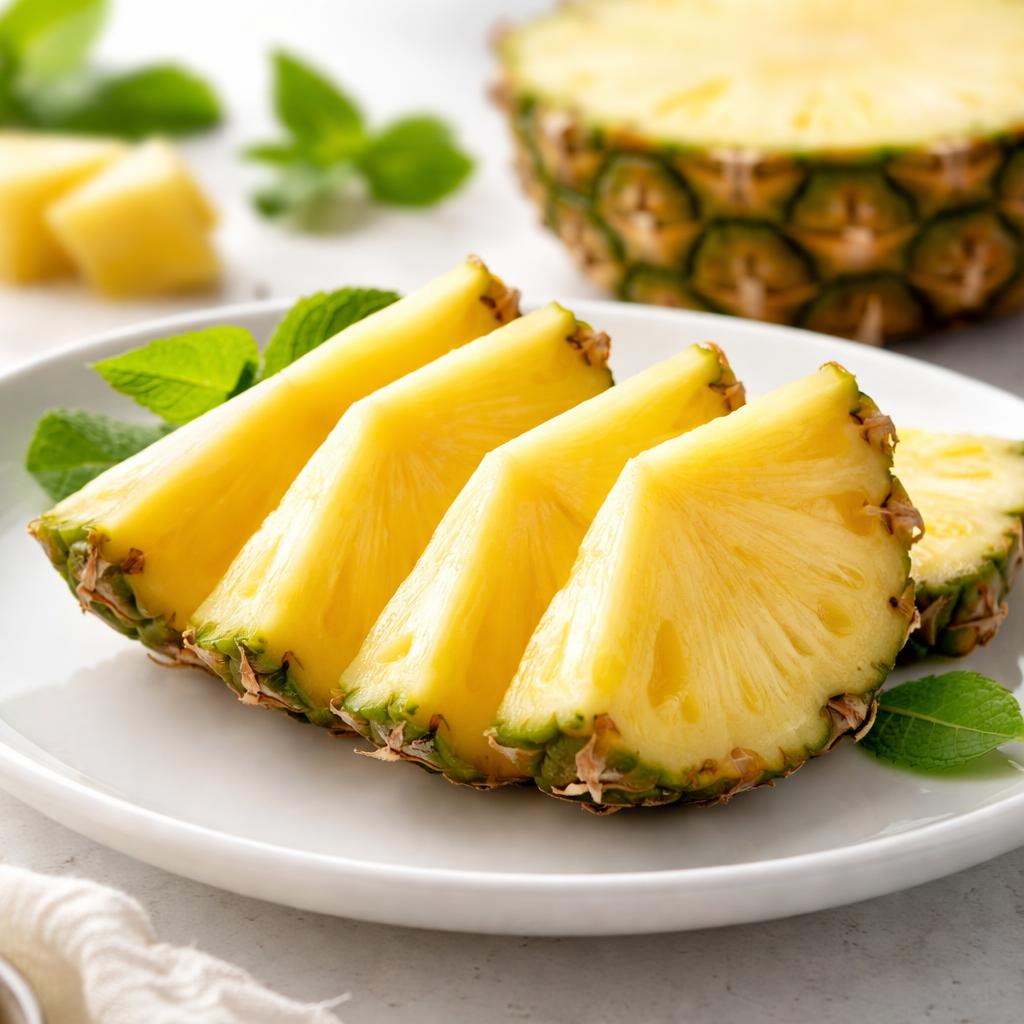
Pineapple
🎯 Quick Verdict
Pineapple offers more vitamins, fiber, and natural sugars compared to cucumber, making it better for energy and nutrient density. Cucumber is extremely low in calories and carbs, making it ideal for hydration, weight loss, and low-carb diets. Both are vegan, gluten-free, and refreshing options for different dietary goals.

Smart Nutrition Tracking with SnapCalorie

📊 Nutritional Comparison
Macronutrients
| Nutrient | Food 1 | Food 2 | Winner |
|---|---|---|---|
| Calories | 16 | 50 | ✓ |
| Protein | 0.7g | 0.5g | ✓ |
| Carbs | 3.6g | 13g | ✓ |
| Fat | 0.1g | 0.1g | − |
| Fiber | 0.5g | 1.4g | ✓ |
Vitamins & Minerals
| Nutrient | Food 1 | Food 2 | Winner |
|---|---|---|---|
| Vitamin C | 2.8mg (3% DV) | 47.8mg (53% DV) | ✓ |
| Vitamin K | 16.4mcg (20% DV) | 1.2mcg (1% DV) | ✓ |
| Vitamin A | 105IU (2% DV) | 58IU (1% DV) | ✓ |
| Potassium | 193mg (4% DV) | 180mg (4% DV) | ✓ |
🏆 Category Winners
Protein
Cucumber has slightly more protein per serving.
Fiber
Pineapple has nearly 3x the fiber content of cucumber.
Calories
Cucumber is significantly lower in calories.
Vitamins
Pineapple is exceptionally rich in Vitamin C, offering over 50% DV.
🥗 Diet Compatibility
Keto
Food 1: Compatible
Food 2: Not Compatible
Cucumber is very low-carb, while pineapple is higher in natural sugars.
Vegan
Food 1: Compatible
Food 2: Compatible
Both are plant-based options.
Gluten Free
Food 1: Compatible
Food 2: Compatible
Neither contains gluten.
Paleo
Food 1: Compatible
Food 2: Compatible
Both are whole, natural foods fitting within paleo guidelines.
Low Carb
Food 1: Compatible
Food 2: Not Compatible
Cucumber has only 3.6g of carbs per serving; pineapple has 13g.
💪 Health Benefits Comparison
Food 1 Benefits
- Extremely low in calories for weight management
- High water content for hydration
- Rich in Vitamin K for bone health
- Contains antioxidants promoting skin health
Food 2 Benefits
- Rich in Vitamin C to boost immunity
- Excellent source of fiber for digestion and gut health
- Provides natural sugars for quick energy
- Contains bromelain, a compound that may reduce inflammation
✅ The Bottom Line
For hydration, weight loss goals, and low-carb diets, cucumber is the better choice thanks to its low calorie count and high water content. Pineapple stands out for its nutrient density, particularly Vitamin C and fiber, making it ideal for boosting immune health and energy. Both can complement a healthy diet depending on your goals.
Choose Food 1 for: Hydration, low-calorie diets, keto, and low-carb lifestyles
Choose Food 2 for: Energy boost, digestive health, nutrient-rich snacking, and immune support


