Cucumber VS Pickled Onions
A detailed nutritional comparison
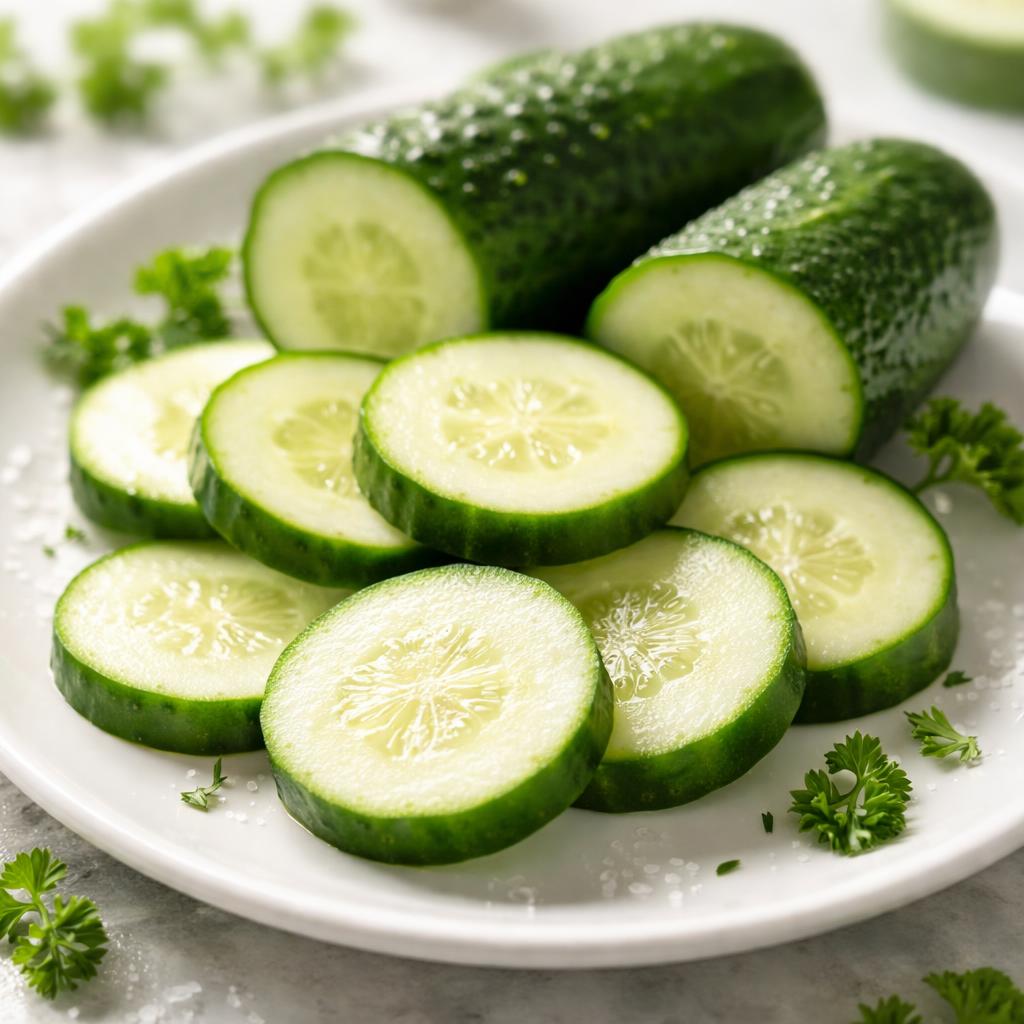
Cucumber
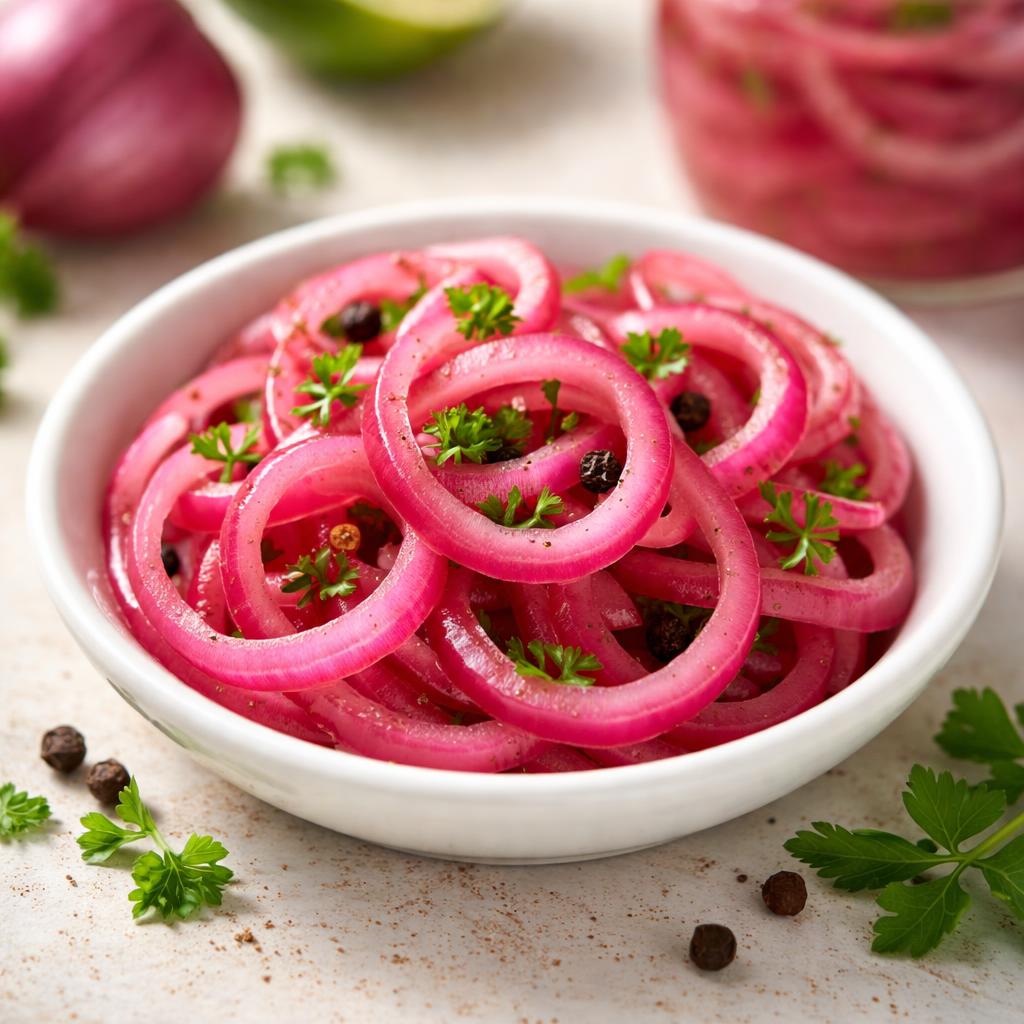
Pickled Onions
🎯 Quick Verdict
Cucumbers are extremely low in calories and provide hydration, with modest amounts of vitamins and minerals. Pickled onions, while higher in calories and sodium, offer more dietary fiber and probiotics, making them beneficial for digestion. Choose cucumbers for light snacking or hydration, and pickled onions as a flavorful condiment or gut-friendly addition.

Smart Nutrition Tracking with SnapCalorie

📊 Nutritional Comparison
Macronutrients
| Nutrient | Food 1 | Food 2 | Winner |
|---|---|---|---|
| Calories | 15 | 45 | − |
| Protein | 0.8g | 0.7g | − |
| Carbs | 3.6g | 10g | − |
| Fat | 0.1g | 0g | − |
| Fiber | 0.5g | 1.2g | − |
Vitamins & Minerals
| Nutrient | Food 1 | Food 2 | Winner |
|---|---|---|---|
| Vitamin C | 3.2mg | 7mg | − |
| Vitamin K | 16.4mcg | 6mcg | − |
| Potassium | 150mg | 40mg | − |
🏆 Category Winners
Protein
Both foods have nearly identical protein content.
Fiber
Pickled onions provide more than double the fiber per serving compared to cucumbers.
Calories
Cucumber is significantly lower in calories.
Vitamins
Both foods offer different vitamins; cucumbers are higher in Vitamin K and potassium, while pickled onions provide more Vitamin C.
🥗 Diet Compatibility
Keto
Food 1: Compatible
Food 2: Compatible
Both are low-carb options.
Vegan
Food 1: Compatible
Food 2: Compatible
Both plant-based and suitable for a vegan diet.
Gluten Free
Food 1: Compatible
Food 2: Compatible
Neither food contains gluten.
Paleo
Food 1: Compatible
Food 2: Depends
Cucumber fits paleo guidelines, while pickled onions may depend on added sugars in the brine.
Low-Carb
Food 1: Excellent
Food 2: Good
Cucumber is extremely low-carb, while pickled onions have slightly more carbohydrates but are still compatible with low-carb diets.
💪 Health Benefits Comparison
Food 1 Benefits
- Extremely hydrating due to high water content
- Low in calories, ideal for weight management
- Rich in potassium, supporting heart and muscle function
- Source of Vitamin K for bone health
Food 2 Benefits
- High in fiber for improved digestion
- Contains probiotics from fermentation, promoting gut health
- Provides antioxidants such as Vitamin C
- Intensely flavored, useful for reducing added salt or condiments
✅ The Bottom Line
Both foods have unique strengths. Cucumbers are better for hydration, low-calorie snacking, and adding crunch to fresh dishes. Pickled onions shine as a flavorful, fiber-rich condiment offering probiotic benefits. Use cucumbers for weight loss and health-conscious diets, and pickled onions for gut health or enhancing meals with bold flavor.
Choose Food 1 for: Hydration, weight loss, fresh salads
Choose Food 2 for: Gut health, digestion, flavorful condiments


